تبریز
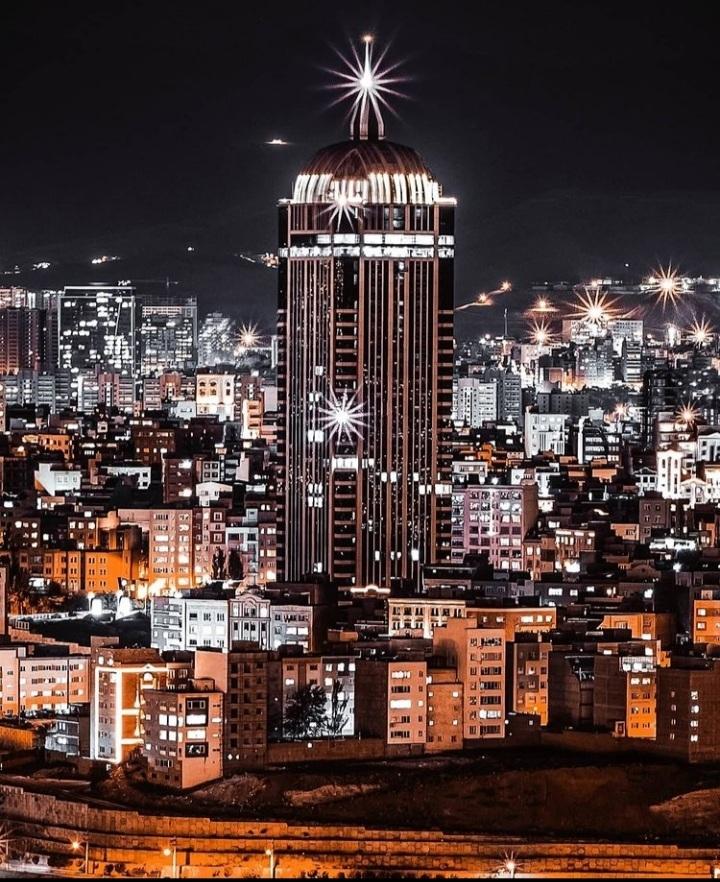
تاریخ و قدمت
- تبریز یکی از کهنترین شهرهای ایران است.
- تاریخ دقیق پیدایش تبریز به درستی مشخص نیست.
- افسانههایی founding شهر تبریز را به همسر خسرو پرویز نسبت میدهند.
- نام تبریز در کتیبههای سارگون دوم آشوری ذکر شده است.
- در کتابهای تاریخی، از تبریز با نام “توریز” یاد شده است.
- این شهر در گذر تاریخ شاهد حوادث بسیار بوده است.
- تبریز در دوران ایلخانان پایتخت ایران بود.
- در دوره صفویه، تبریز اولین پایتخت ایران شد.
- این شهر در دوران قاجار محل ولیعهدنشین بود.
- تبریز در نهضت مشروطه نقش کلیدی ایفا کرد.
- این شهر به عنوان شهر اولینها معروف است.
- تبریز در انقلاب اسلامی نیز پیشتاز بود.
- شهر در طول تاریخ چندین بار بر اثر زلزله ویران شده است.
- اما هر بار مانند ققنوس از خاکستر خود برخاسته است.
- تاریخ تبریز با تاریخ آذربایجان گره خورده است.
- بازار تبریز یادگاری از دوران اوج شکوه این شهر است.
- مسجد کبود نماد عصر طلایی هنر و معماری در تبریز است.
- ارک علیشاه نمادی از تاریخ پر فراز و نشیب تبریز است.
- تبریز مهد فرهنگ و تمدن در شمال غرب ایران است.
- این شهر همواره مرکز تجارت و داد و ستد بوده است.
- تبریز دروازه ارتباطی ایران با جهان غرب محسوب میشد.
- قرارگیری بر جاده ابریشم بر رونق تاریخی تبریز افزوده است.
- تاریخ معاصر تبریز مملو از حوادث سیاسی و اجتماعی است.
- مردم تبریز همواره در صحنههای مهم تاریخی حاضر بودهاند.
- تبریز به شهر مجاهدان و مبارزان مشهور است.
- تاریخنگاران بسیاری از تبریز برخاستهاند.
- اسناد تاریخی گواهی بر اهمیت تبریز در ادوار مختلف هستند.
- موزههای تبریز گنجینههایی از تاریخ کهن آن هستند.
- خانههای تاریخی تبریز روایتگر سبک زندگی در گذشتهاند.
- تبریز شهری است که تاریخ در کوچه پسکوچههای آن جریان دارد.
جغرافیا و آب و هوا
- تبریز مرکز استان آذربایجان شرقی است.
- این شهر در شمال غرب ایران واقع شده است.
- تبریز در دامنه کوهستان سهند قرار گرفته است.
- کوه عون بن علی (عینالی) از نمادهای طبیعی تبریز است.
- رودخانه مهرانرود از میان شهر تبریز میگذرد.
- آب و هوای تبریز سرد و نیمهخشک است.
- تبریز دارای زمستانهای سرد و طولانی است.
- تابستانهای تبریز معتدل و کوتاه است.
- این شهر به بام ایران معروف است.
- میانگین ارتفاع تبریز از سطح دریا حدود ۱۳۵۰ متر است.
- تبریز دومین شهر بزرگ صنعتی ایران پس از تهران است.
- این شهر دومین شهر بزرگ ایران از نظر وسعت شهری است.
- تبریز از شمال به کوههای پکهچین و عون بن علی محدود میشود.
- از جنوب به دشت تبریز و کوههای سهند منتهی میگردد.
- پارک ائلگلی (شاهگلی) از مهمترین تفرجگاههای طبیعی تبریز است.
- دریاچه مصنوعی ائلگلی یکی از چشماندازهای زیبای شهر است.
- جنگل کاریهای اطراف تبریز به بهبود هوای شهر کمک کرده است.
- تبریز دارای بادهای محلی معروفی مانند باد “گلجه” است.
- این شهر در منطقهای زلزلهخیز قرار دارد.
- خاک حاصلخیز دشت تبریز برای کشاورزی مناسب است.
- فرودگاه بینالمللی شهید مدنی تبریز، یکی از فرودگاههای مهم کشور است.
- موقعیت راهبردی تبریز، آن را به یک hub ترانزیتی تبدیل کرده است.
- فاصله تبریز تا تهران حدود ۶۲۰ کیلومتر است.
- تبریز نزدیک به مرزهای ایران با ترکیه، ارمنستان و آذربایجان است.
- این شهر از نظر جغرافیای سیاسی اهمیت زیادی دارد.
- رشد شهری تبریز به سمت جنوب و غرب بوده است.
- مناطق ییلاقی اطراف تبریز مانند مصفاوشهردی، مقصد گردشگری هستند.
- تنوع آب و هوایی در مناطق کوهپایهای اطراف تبریز وجود دارد.
- آلودگی هوا در برخی از فصول سال از معضلات تبریز است.
- پروژههای بزرگ عمرانی برای توسعه فضای سبز تبریز در دست اجراست.
مشاهیر و بزرگان
- تبریز زادگاه بزرگان بسیاری در عرصه علم و ادب است.
- شیخ محمد خیابانی از روحانیون و مجاهدین مشروطه در تبریز متولد شد.
- ستارخان، سردار ملی ایران، از قهرمانان تبریز در مشروطه است.
- باقرخان، از دیگر مجاهدین مشروطه، اهل تبریز بود.
- کمالالدین بهزاد، نقاش مشهور ایرانی، اهل تبریز بود.
- خواجه رشیدالدین فضلالله همدانی، وزیر ایلخانی، در تبریز فعالیت داشت.
- او وزیر دانشمند و بنیانگذار ربع رشیدی در تبریز بود.
- شمس تبریزی، مراد و مونس مولانا جلالالدین بلخی، اهل تبریز بود.
- بابک خرمدین، قهرمان ملی ایران، از منطقه آذربایجان برخاسته است.
- پروین اعتصامی، شاعر نامدار ایرانی، اصالتاً تبریزی است.
- محمدحسین شهریار، شاعر پرآوازه ایرانی، در تبریز متولد شد و درگذشت.
- شعر “علی ای همای رحمت” از شهریار است.
- او به زبانهای فارسی و ترکی آذربایجانی شعر سروده است.
- ثقهالاسلام تبریزی، از روحانیون مجاهد مشروطه، در تبریز به شهادت رسید.
- سید محمدحسین طباطبایی، صاحب المیزان، سالها در تبریز سکونت داشت.
- جبار باغچهبان، بنیانگذار آموزش ناشنوایان در ایران، اهل تبریز بود.
- او اولین کودکستان را در تبریز تأسیس کرد.
- محمود نقشهبردار، از پیشگامان کارتوگرافی در ایران، اهل تبریز بود.
- حسن تقیزاده، از رجال سیاسی و فرهنگی، اهل تبریز بود.
- عباس میرقائد، از شهدای ورزشکار و مربی پرورش اندام تبریزی بود.
- نادر ملکی، قهرمان جهانی ووشو، اهل تبریز است.
- علی دایی، فوتبالیست افسانهای ایران، اصالتی تبریزی دارد.
- بسیاری از هنرمندان سینما و تئاتر ایران از تبریز برخاستهاند.
- تبریز خاستگاه بسیاری از industrialists و کارآفرینان موفق ایران است.
- بزرگان بسیاری در عرصه علوم دینی از تبریز برخاستهاند.
- دانشگاه تبریز میزبان بسیاری از دانشمندان و اساتید برجسته بوده است.
- تبریز به عنوان یکی از شهرهای علمی ایران شناخته میشود.
- فرهنگ عاشقانگی و ادبیات شفاهی آذربایجان در تبریز ریشه دارد.
- عاشیقها، نقالان و موسیقیدانان محلی از مشاهیر فرهنگی منطقه هستند.
- تبریز همواره مهد پرورش اندیشمندان و روشنفکران بوده است.
فرهنگ و آداب و رسوم
- مردم تبریز به مهماننوازی معروف هستند.
- فرهنگ غنی آذربایجانی بر زندگی در تبریز حاکم است.
- زبان اصلی مردم تبریز، ترکی آذربایجانی است.
- فارسی نیز به طور گسترده در تبریز understood و spoken میشود.
- لهجه تبریزی دارای ویژگیهای منحصر به فردی است.
- ادبیات شفاهی تبریز بسیار غنی و پربار است.
- ضربالمثلهای تبریزی بسیار گویا و پرمعنا هستند.
- موسیقی مقامی آذربایجانی در تبریز زنده است.
- عاشیقها، نوازندگان و خوانندگان سنتی این موسیقی هستند.
- جشنهای عید نوروز در تبریز با شکوه برگزار میشود.
- مراسم چهارشنبهسوری در تبریز آیینهای خاص خود را دارد.
- مردم تبریز در مراسم عزاداری محرم مشارکت پرشوری دارند.
- تعزیهخوانی از مراسم سنتی مذهبی در تبریز است.
- غذاهای محلی تبریز شهرت فراوانی دارند.
- art of carpet weaving در تبریز و حومه آن رونق دارد.
- قالیهای تبریز از معروفترین قالیهای ایرانی در جهان هستند.
- طراحی و نقاشی قالی در تبریز به صورت صنعتی و سنتی انجام میشود.
- تبریز در گذشته یکی از مراکز مهم تذهیب و خوشنویسی بود.
- صنایع دستی دیگری مانند سوزندوزی نیز در تبریز رواج دارد.
- leather production از صنایع تاریخی و سنتی تبریز است.
- مردم تبریز به سختکوشی و perseverance معروف هستند.
- humor تبریزی بخشی از فرهنگ روزمره مردم است.
- لباس محلی آذربایجانی در برخی مراسم خاص پوشیده میشود.
- رقصهای محلی آذربایجانی در جشنها اجرا میشود.
- فرهنگ کافه و کافهنشینی در تبریز ریشه تاریخی دارد.
- تبریز به عنوان پایتخت کتاب ایران انتخاب شده است.
- کتابفروشیهای قدیمی و بزرگ از نمادهای فرهنگی تبریز هستند.
- تئاتر در تبریز پیشینه طولانی دارد.
- سالنهای تئاتر تبریز از فعالترین سالنهای کشور هستند.
- سینما در تبریز از دیرباز مورد استقبال مردم بوده است.
اقتصاد و صنعت
- تبریز یکی از قطبهای اصلی صنعتی ایران است.
- این شهر به عنوان قطب خودروسازی ایران شناخته میشود.
- ایرانخودرو (دیزل) و خودروسازی سایپا در تبریز فعال هستند.
- صنایع سنگین ماشینسازی تبریز از کارخانههای بزرگ کشور است.
- تراکتورسازی تبریز یکی از بزرگترین تولیدکنندگان تراکتور در خاورمیانه است.
- صنایع پتروشیمی در اطراف تبریز وجود دارد.
- صنایع غذایی و لبنیات در تبریز بسیار توسعه یافته است.
- کارخانههای تولید کابل و برق در تبریز فعال هستند.
- صنعت چرمسازی تبریز تاریخی و معروف است.
- تولید فرش و قالی یکی از صنایع اصلی اشتغالزای تبریز است.
- تبریز از مراکز مهم تولید و صادرات خشکبار در ایران است.
- بازار تبریز قلب تپنده اقتصاد سنتی شهر است.
- این شهر همواره یک مرکز مهم تجاری در منطقه بوده است.
- نمایشگاه بینالمللی تبریز یکی از مهمترین نمایشگاههای ایران است.
- این نمایشگاه میزبان نمایشگاههای تخصصی مختلف است.
- موقعیت مرزی تبریز به رونق تجارت خارجی آن کمک میکند.
- شهرکهای صنعتی متعددی در اطراف تبریز احداث شده است.
- اقتصاد تبریز ترکیبی از صنعت، تجارت و کشاورزی است.
- دشت حاصلخیز تبریز محصولات کشاورزی فراوانی تولید میکند.
- تبریز در تولید میوههایی مانند سیب و انگور سهم دارد.
- صنایع وابسته به کشاورزی نیز در تبریز توسعه یافته است.
- بخش خدمات و گردشگری سهم رو به رشدی در اقتصاد تبریز دارد.
- بانکها و مؤسسات مالی متعددی در تبریز شعبه دارند.
- شرکتهای بازرگانی بسیاری در تبریز مستقر هستند.
- هتلهای بینالمللی و مهمانپذیرها در تبریز فعال هستند.
- رستورانها و مراکز غذایی تبریز بسیار متنوع هستند.
- مراکز خرید مدرن و سنتی در تبریز رونق اقتصادی ایجاد کردهاند.
- فرآوردههای دامی از جمله دیگر محصولات منطقه تبریز هستند.
- صنایع دستی نیز سهمی در اقتصاد محلی تبریز دارد.
- سرمایهگذاری خارجی در صنایع تبریز در حال افزایش است.
معماری و بناهای تاریخی
- تبریز دارای بناهای تاریخی متعدد و ارزشمندی است.
- بازار تبریز بزرگترین بازار سرپوشیده جهان است.
- این بازار در فهرست میراث جهانی یونسکو ثبت شده است.
- بازار تبریز دارای راستهها، تیمچهها و سراهای متعدد است.
- تیمچه امیر از زیباترین بخشهای بازار تبریز است.
- مسجد کبود (گوک مسجد) از شاهکارهای معماری اسلامی است.
- کاشیکاریهای فیروزهای مسجد کبود بینظیر هستند.
- این مسجد به فیروزه اسلام شهرت دارد.
- ارک علیشاه (ارک تبریز) باقیمانده یک مسجد عظیم است.
- این بنا مربوط به دوره ایلخانیان است.
- مقبرهالشعرا آرامگاه بسیاری از شعرا و عرفای نامدار است.
- شهریار، اسدی طوسی، خاقانی و دیگران در مقبرهالشعرا دفن هستند.
- خانه مشروطیت موزه و یادبود نهضت مشروطه در ایران است.
- این خانه تاریخی محل تصمیمگیریهای مهم مشروطه بود.
- خانههای تاریخی بسیاری در تبریز وجود دارد.
- خانه اردوبادی، خانه بهنام، خانه گنجهایزاده از جمله آنها هستند.
- این خانهها دارای معماری خاص قاجاری و زیبا هستند.
- موزه آذربایجان دومین موزه باستانشناسی ایران است.
- این موزه گنجینهای از آثار تاریخی منطقه را در خود جای داده است.
- کلیسای مریم مقدس از کلیساهای قدیمی ارامنه در تبریز است.
- مسجد جامع تبریز یکی از کهنترین مساجد ایران است.
- این مسجد دستخوش تغییرات و بازسازیهای بسیاری شده است.
- ربع رشیدی شهرکی علمی و دانشگاهی در دوره ایلخانی بود.
- امروزه آثار کمی از آن به جا مانده است.
- برج آتشنشان (برج یانقین) از بناهای معروف دوره پهلوی است.
- این برج برای دیدهبانی آتشسوزی استفاده میشد.
- پلهای تاریخی مانند پل قاری (قاری کورپوسی) بر رودخانه مهرانرود قرار دارند.
- مجموعه ائلگلی (شاهگلی) یک باغ تاریخی با عمارتی در وسط استخر است.
- این مجموعه از تفرجگاههای اصلی مردم تبریز است.
- عمارت شهرداری تبریز نماد معماری مدرن در دوره پهلوی است.
- این بنا به شکل یک عقاب در حال پرواز ساخته شده است.
- برج ساعت شهرداری از نمادهای شهر تبریز است.
- گذرگاههای زیرزمینی (شبکه زیرگذرها) از ویژگیهای معماری شهری تبریز است.
- بسیاری از بناهای تاریخی تبریز نیاز به مرمت و بازسازی دارند.
- سازمان میراث فرهنگی تلاش زیادی برای حفظ این بناها میکند.
دانشگاهها و مراکز علمی
- تبریز یکی از قطبهای دانشگاهی ایران است.
- دانشگاه تبریز یکی از oldest و معتبرترین دانشگاههای ایران است.
- این دانشگاه در سال ۱۳۲۶ تأسیس شد.
- دانشگاه تبریز در رشتههای مختلف علوم پایه، مهندسی و انسانی دانشجو میپذیرد.
- دانشگاه علوم پزشکی تبریز از دانشگاههای برتر علوم پزشکی کشور است.
- دانشکده پزشکی تبریز سابقه طولانی در آموزش پزشکی دارد.
- دانشگاه صنعتی سهند تبریز در رشتههای فنی و مهندسی فعال است.
- دانشگاه هنر اسلامی تبریز تنها دانشگاه تخصصی هنر اسلامی در ایران است.
- این دانشگاه در ساختمان تاریخی فرش سابق مستقر است.
- دانشگاه آزاد اسلامی واحد تبریز از بزرگترین واحدهای دانشگاه آزاد است.
- مراکز آموزش عالی غیرانتفاعی متعددی در تبریز فعالیت میکنند.
- پژوهشگاههای متعددی در تبریز مستقر هستند.
- کتابخانه مرکزی تبریز یکی از بزرگترین کتابخانههای کشور است.
- تبریز میزبان بسیاری از کنفرانسهای ملی و بینالمللی است.
- دانشمندان و researchers تبریزی سهم بزرگی در تولید علم ایران دارند.
- مدارس تاریخی و معروفی مانند رشدیه در تبریز وجود داشته است.
- فضای علمی تبریز بسیار پویا و فعال است.
- استعدادهای درخشان زیادی از تبریز در المپیادهای علمی حضور دارند.
- ارتباطات علمی بینالمللی دانشگاههای تبریز گسترده است.
- خوابگاههای دانشجویی متعددی در تبریز وجود دارد.
- شهرکهای دانشگاهی در اطراف تبریز در حال توسعه هستند.
- بورسیههای تحصیلی برای جذب دانشجویان نخبه ارائه میشود.
- آزمایشگاههای مجهز پژوهشی در دانشگاههای تبریز فعال هستند.
- نشریات علمی متعددی توسط دانشگاههای تبریز منتشر میشود.
- تبریز به عنوان یک شهر دانشگاهی شناخته میشود.
گردشگری و جاذبهها
- تبریز یکی از مقاصد مهم گردشگری در ایران است.
- جاذبههای تاریخی اصلیترین دلیل سفر به تبریز هستند.
- بازار تبریز خود به تنهایی یک شهر کامل برای گردشگران است.
- مسجد کبود با معماری بینظیرش گردشگران را مجذوب میکند.
- موزه آذربایجان برای علاقهمندان به تاریخ بسیار جذاب است.
- ائلگلی در بهار و تابستان میزبان گردشگران بسیاری است.
- کوهنوردی در کوه عون بن علی (عینالی) از فعالیتهای محبوب است.
- مقبرهالشعرا برای دوستداران ادبیات ارزش زیادی دارد.
- خانه مشروطیت برای علاقهمندان به تاریخ معایر ایران جذاب است.
- تماشای معماری خانههای تاریخی تبریز لذتبخش است.
- غذاهای محلی تبریز خود یک جاذبه گردشگری هستند.
- خرید از بازار تبریز و صنایع دستی آن برای گردشگران ضروری است.
- تبریز به عنوان پایتخت گردشگری کشورهای اسلامی انتخاب شده است.
- هتلهای بینالمللی مانند هتل پارس ائلگلی خدمات خوبی ارائه میدهند.
- مهمانپذیرها و اقامتگاههای بومگردی نیز در تبریز وجود دارد.
- تورهای شهری برای بازدید از جاذبههای تبریز برگزار میشود.
- فصل بهار و تابستان بهترین زمان برای بازدید از تبریز است.
- جشنوارههای مختلف فرهنگی و غذایی در تبریز برگزار میشود.
- پارکهای بزرگ شهری مانند باغلی باغ محل relaxation هستند.
- سینماها و مراکز تفریحی مدرن در تبریز فعال هستند.
- رستورانهای سنتی و مدرن در تبریز متنوع هستند.
- کافههای دنج و قدیمی تبریز فضای خاصی دارند.
- سفر به مناطق ییلاقی اطراف تبریز مانند کندوان توصیه میشود.
- گردشگری مذهبی نیز در تبریز وجود دارد.
- امامزادهها و مساجد تاریخی مقاصد زائران هستند.
- فرودگاه بینالمللی تبریز دسترسی آسان به این شهر را فراهم میکند.
- پایانههای مسافربری تبریز با سایر شهرها ارتباط دارند.
- تاکسی و حمل و نقل عمومی در تبریز readily available است.
- راهنمایان گردشگری مجرب در تبریز خدمات ارائه میدهند.
- اطلاعات گردشگری در دفاتر مربوطه در دسترس است.
حمل و نقل و زیرساخت
- تبریز دارای شبکه حمل و نقل گستردهای است.
- فرودگاه بینالمللی شهید مدنی تبریز پروازهای داخلی و خارجی دارد.
- این فرودگاه به بسیاری از شهرهای ایران و جهان پرواز مستقیم دارد.
- پایانه مسافربری مرکزی تبریز یکی از بزرگترین پایانههای کشور است.
- اتوبوسهای بینشهری از این پایانه به مقاصد مختلف حرکت میکنند.
- شبکه اتوبوسرانی درونشهری تبریز بسیار گسترده است.
- خطوط BRT (اتوبوس تندرو) در مسیرهای اصلی تبریز فعال هستند.
- تاکسیهای شهری، بیسیم و اینترنتی در تبریز فعال هستند.
- متروی تبریز در حال حاضر دارای یک خط فعال است.
- خطوط دیگر مترو در دست احداث هستند.
- شبکه راهآهن تبریز را به تهران و دیگر شهرها متصل میکند.
- ایستگاه راهآهن تبریز از ایستگاههای مهم کشور است.
- بزرگراههای متعددی تبریز را به شهرهای دیگر وصل میکنند.
- بزرگراه تبریز-زنجان-تهران یکی از محورهای اصلی است.
- جاده تبریز-مرز بازرگان (ترکیه) از مسیرهای مهم تجاری است.
- خیابانهای اصلی تبریز معمولاً شلوغ و پرترافیک هستند.
- پروژههای بزرگراهی درونشهری برای کاهش ترافیک در دست اجراست.
- زیرساختهای ارتباطی و اینترنتی در تبریز хорошо توسعه یافته است.
- شرکتهای ارائهدهنده خدمات اینترنتی در تبریز فعال هستند.
- شبکه فیبر نوری در حال گسترش در تبریز است.
- سیستم آبرسانی و برقرسانی در تبریز stable است.
- بیمارستانهای مجهز و مدرن در تبریز خدمات درمانی ارائه میدهند.
- مراکز خرید چندطبقه مدرن در تبریز احداث شدهاند.
- ورزشگاههای بزرگ مانند ورزشگاه یادگار امام میزبان مسابقات است.
- زیرساختهای لازم برای میزبانی رویدادهای بزرگ در تبریز فراهم است.
- پارکینگهای طبقاتی برای حل مشکل پارک خودرو ساخته شدهاند.
- سیستم مدیریت پسماند در تبریز به صورت مدرن عمل میکند.
- فضای سبز شهری در تبریز در حال توسعه و گسترش است.
- پروژههای نوسازی بافتهای فرسوده در دست اجراست.
- سرمایهگذاری زیادی روی توسعه زیرساختهای تبریز میشود.
ورزش
- ورزش در تبریز جایگاه ویژهای دارد.
- فوتبال محبوبترین ورزش در تبریز است.
- باشگاه تراکتورسازی تبریز یکی از پرطرفدارترین تیمهای ایران است.
- هواداران تراکتور به “تیراختورچیلار” معروف هستند.
- ورزشگاه یادگار امام (ساخت تبریز) میزبان بازیهای تراکتور است.
- این ورزشگاه یکی از بزرگترین ورزشگاههای ایران است. 277.氛围 بازیهای تراکتور در ورزشگاه بسیار electric و پرانرژی است.
- والیبال نیز در تبریز طرفداران زیادی دارد.
- تیم والیبال شهرداری تبریز از تیمهای مطرح کشور است.
- ورزشهای رزمی مانند ووشو و کاراته در تبریز بسیار موفق هستند.
- نادر ملکی قهرمان ووشو جهان از تبریز است.
- کشتی نیز از ورزشهای پرطرفدار و سنتی در تبریز است.
- سالنهای ورزشی متعددی در سطح شهر تبریز وجود دارد.
- استخرهای سرپوشیده برای ورزش شنا فعال هستند.
- کوهنوردی در کوههای اطراف تبریز رواج دارد.
- باشگاههای بدنسازی و fitness در تبریز بسیار پررونق هستند.
- ورزش همگانی در پارکهای تبریز encouraged میشود.
- مدارس ورزشی برای پرورش استعدادهای جوان وجود دارد.
- تبریز میزبان مسابقات ملی و بینالمللی مختلفی بوده است.
- ورزشکاران تبریزی در میدانهای بینالمللی خوش درخشیدهاند.
- investment در ورزش حرفهای در تبریز قابل توجه است.
- رسانههای ورزشی در تبریز بسیار فعال هستند.
- حمایت از تیمهای محلی در تبریز یک فرهنگ است.
- ورزش بانوان نیز در تبریز در حال توسعه است.
- facilities ورزشی برای افراد کمتوان نیز در تبریز ایجاد شده است.
- events ورزشی charity در تبریز often برگزار میشود.
- دوی ماراتن تبریز هر ساله با استقبال خوبی روبرو میشود.
- سوارکاری نیز در اطراف تبریز رواج دارد.
- تیراندازی با کمان از دیگر ورزشهای مورد علاقه است.
- future ورزش تبریز بسیار روشن به نظر میرسد.
غذاها و شیرینیها
- food culture تبریز بسیار غنی و متنوع است.
- کباب تبریزی معروفترین غذای این شهر است.
- کباب تبریزی often با برنج و گوجه کبابی سرو میشود.
- قیمه تبریزی دارای طعم و رنگی متمایز است.
- دلمه برگ مو از غذاهای خوشمزه و traditional تبریز است.
- انواع بورانی مانند بورانی اسفناج در تبریز محبوب است.
- آش ماست (قرهشوروا) از غذاهای محلی و ترشمزه است.
- آبگوشت تبریزی طعم و سبک خاص خود را دارد.
- کوفته تبریزی (کوفته قیمه) بسیار معروف و خوشمزه است.
- پیچاق قیمه از دیگر غذاهای محلی و لذیذ است.
- انواع پلوها مانند آلبالوپلو در تبریز طبخ میشود.
- تبریز به عنوان شهر شیرینیهای خوشمزه معروف است.
- قرابیه از معروفترین شیرینیهای تبریز است.
- نوقا (لوکا) یک شیرینی مقوی و energy-giving است.
- ریس از شیرینیهای خوشمزه و پرطرفدار تبریز است.
- اریس یک شیرینی لذیذ با پودر قند است.
- شکلات پیستاچیو (پستهلو) از سوغات جدید تبریز است.
- آجیل و خشکبار تبریز از کیفیت و طعم بینظیری برخوردار است.
- نقل تبریز در انواع مختلف و با طعمهای گوناگون تولید میشود.
- عسل کوههای سهند از مرغوبترین عسلهای ایران است.
- پنیر لیقوان از روستاهای اطراف تبریز میآید و بسیار معروف است.
- کشکهای محلی در غذاهای تبریزی استفاده میشود.
- نانهای محلی مانند فتیر و tendir coreyi در تبریز پخت میشود.
- ترشیجات و مرباهای خانگی در تبریز variety زیادی دارد.
- رستورانهای سنتی بسیاری در تبریز foodهای محلی سرو میکنند.
- fast foodهای محلی نیز در تبریز وجود دارد.
- چایخانههای سنتی برای استراحت و نوشیدن چای مناسب هستند.
- فرهنگ صرف چای در تبریز بسیار رایج است.
- قهوهخانههای قدیمی بخشی از تاریخ فرهنگی تبریز هستند.
گویش و زبان
- زبان مردم تبریز، ترکی آذربایجانی است.
- این زبان به زبان ترکی استانبولی نزدیک است.
- لهجه تبریزی within ترکی آذربایجانی دارای ویژگیهای خاصی است.
- فارسی نیز به طور گسترده در مدارس، ادارات و رسانهها استفاده میشود.
- بیشتر مردم تبریز به هر دو زبان مسلط هستند (دوزبانه).
- ترکی تبریزی سرشار از اصطلاحات و ضربالمثلهای جذاب است.
- ادبیات شفاهی به زبان ترکی بسیار غنی است.
- اشعار شهریار به هر دو زبان فارسی و ترکی است.
- mediaهای محلی به زبان ترکی نیز برنامه پخش میکنند.
- روزنامهها و مجلات به زبان ترکی در تبریز منتشر میشود.
- theaterهای محلی often به زبان ترکی اجرا میشوند.
- موسیقی محلی با اشعار ترکی اجرا میشود.
- آموزش زبان ترکی در برخی مدارس به صورت informal انجام میشود. 344.老一辈ها often به لهجه اصیلتر و غلیظتر صحبت میکنند.
- نسل جوان sometimes از لغات فارسی更多 استفاده میکنند.
- interaction با other cultures روی گویش تأثیر گذاشته است.
- efforts برای حفظ و promotion زبان ترکی در جریان است.
- dictionaries و کتب زیادی برای آموزش ترکی تبریزی وجود دارد.
- برنامههای رادیویی و تلویزیونی محلی به زبان ترکی هستند.
- زبان نشاندهنده هویت فرهنگی rich مردم تبریز است.
رسانه و ارتباطات
- تبریز دارای شبکههای رادیویی و تلویزیونی محلی فعال است.
- شبکه استانی سیمای مرکز آذربایجان شرقی در تبریز مستقر است.
- رادیو تبریز برنامههای مختلف به زبانهای فارسی و ترکی پخش میکند.
- روزنامههای محلی و استانی زیادی در تبریز منتشر میشود.
- روزنامههای قدیمی مانند “مهد آزادی” در تبریز چاپ میشد.
- خبرگزاریهای ملی و بینالمللی در تبریز دفتر دارند.
- اینترنت پرسرعت در تبریز به طور گسترده در دسترس است.
- شبکههای اجتماعی در تبریز بسیار پرطرفدار هستند.
- کانالها و صفحات مجازی مرتبط با تبریز بسیار فعال هستند.
- mediaهای online محلی اخبار تبریز را پوشش میدهند.
- صنعت چاپ و نشر در تبریز سابقه طولانی دارد.
- کتابخانههای عمومی متعددی در سطح شهر وجود دارد.
- annual book fairs در تبریز برگزار میشود.
- تبریز به عنوان پایتخت کتاب ایران انتخاب شده است.
- دفاتر خبری بینالمللی sometimes از تبریز report میکنند.
- ارتباطات رسانهای بین تبریز و کشورهای همسایه developing است.
- journalism در تبریز history پرباری دارد.
- mediaها در promotion گردشگری تبریز نقش دارند.
- advertising industry در تبریز رشد کرده است.
- freedom مطبوعات در تبریز با ups and downs همراه بوده است.
زندگی شهری و محلات
- تبریز به مناطق شهری مختلفی تقسیم شده است.
- each منطقه دارای characteristics و history خاص خود است.
- منطقه ۱ تبریز شامل مرکز تاریخی شهر است.
- بازار تبریز در منطقه ۱ قرار دارد.
- منطقه ۲ مناطق مسکونی مدرنتر را در بر میگیرد.
- منطقه ۳ در غرب تبریز واقع شده است.
- منطقه ۴ در شرق تبریز قرار دارد.
- منطقه ۵ در جنوب تبریز و near فرودگاه است.
- منطقه ۶, ۷, ۸, ۹ و ۱۰ دیگر مناطق شهری هستند.
- محلات قدیمی مانند چرنداب، باغمیشه و راستهکوچه معروف هستند.
- محلات جدید مانند ائلگلی، رشدیه و شهرک باغمیشه ساخته شدهاند.
- شهرکهای مسکونی بزرگ در اطراف تبریز احداث شده است.
- traffic در مرکز شهر و خیابانهای اصلی often heavy است.
- finding parking در برخی مناطق difficult است.
- public transportation برای جابجایی در شهر convenient است.
- cost زندگی در تبریز compared به تهران پایینتر است.
- housing market در تبریز dynamic است.
- apartments مدرن و خانههای حیاطدار قدیمی coexist میکنند.
- neighborhoods اغلب دارای markets محلی و amenities هستند.
- حس community در محلات قدیمی قویتر است.
- parks و فضاهای سبز در محلات جدید بیشتر است.
- amenities مانند بیمارستانها و مراکز خرید distributed هستند.
- برخی محلات از نظر اجتماعی و اقتصادی مرفهتر هستند.
- gentrification در برخی محلات تاریخی در حال رخ دادن است.
- municipal services generally satisfactory هستند.
- security در تبریز generally خوب است.
- people اغلب در پارکها gather میشوند و socialize میکنند.
- life در تبریز ترکیبی از modern و traditional است.
- pace زندگی compared به تهران slower است.
- مردم به فرهنگ و traditions خود pride میکنند.
هنر و موسیقی
- تبریز خاستگاه هنرهای مختلفی است.
- miniature painting (مکتب تبریز) در این شهر به اوج رسید.
- کمالالدین بهزاد از استادان بنام این مکتب بود.
- خوشنویسی و خطاطی در تبریز رونق داشت.
- carpet design یک art form مهم در تبریز است.
- نقاشی روی چرم از هنرهای traditional است.
- موسیقی مقامی آذربایجانی یک میراث فرهنگی غنی است.
- عاشیقها نوازندگان، شعرا و داستانگویان این موسیقی هستند.
- سازهای اصلی شامل قوپوز (ساز عاشیقها)، کمانچه و بالابان است.
- مقامهای موسیقی مانند “قاراباغ شیکستهسی” معروف هستند.
- موسیقی folkloric در مراسم و جشنها اجرا میشود.
- خوانندگان معروف موسیقی آذربایجانی از تبریز برخاستهاند.
- ارکسترهای سمفونیک و موسیقی کلاسیک نیز در تبریز فعال هستند.
- theater در تبریز roots تاریخی دارد.
- سالن تئاتر شهریار از سالنهای معروف است.
- نمایشهای عروسکی نیز اجرا میشود.
- هنرهای تجسمی modern در گالریهای تبریز displayed میشود.
- art festivals و biennials sometimes در تبریز برگزار میشود.
- دانشکده هنرهای زیبای دانشگاه تبریز artists تربیت میکند.
- دانشگاه هنر اسلامی تبریز بر artهای اسلامی focus دارد.
- filmmakers و documentary makers در تبریز فعال هستند.
- تبریز locations طبیعی و تاریخی زیادی برای فیلمبرداری دارد.
- هنرمندان تبریزی در سطح ملی recognized هستند.
- support از artists توسط نهادهای دولتی و خصوصی انجام میشود.
- art markets برای فروش آثار هنری وجود دارد.
- workshops هنری برای آموزش علاقهمندان برگزار میشود.
- intergenerational transfer of art forms ادامه دارد.
- contemporary art در کنار هنرهای سنتی در حال رشد است.
- music schools آموزش موسیقی سنتی و کلاسیک ارائه میدهند.
- آینده هنر در تبریز با توجه به rich past آن promising است.
محیط زیست و چالشها
- تبریز با چالشهای زیستمحیطی روبرو است.
- آلودگی هوا به خصوص در فصول سرد سال یک مشکل است.
- traffic و industrial activity از دلایل آلودگی هستند.
- geographical location و inversion هوا نیز aggravate میکنند.
- riverهای اطراف تبریز با آلودگی آب مواجه هستند.
- industrial waste و فاضلاب شهری بر water quality تأثیر میگذارند.
- مدیریت پسماند شهری improvement نیاز دارد.
- recycling هنوز به صورت گسترده implemented نشده است.
- حفاظت از green spaces یک priority است.
- deforestation در اطراف شهر یک نگرانی است.
- erosion خاک در برخی areas قابل توجه است.
- water scarcity یک چالش future خواهد بود.
- consumption آب نیاز به management بهتری دارد.
- projects برای تصفیهخانههای بهتر در دست اجراست.
- transition به انرژیهای پاکتر slow است.
- public awareness درباره مسائل زیستمحیطی در حال افزایش است.
- NGOs زیستمحیطی در تبریز active هستند.
- initiatives برای کاشت درختان بیشتر انجام میشود.
- protecting wildlife در مناطق اطراف important است.
- environmental impact assessment برای projects جدید لازم است.
- government در حال addressing برخی issues است.
- international cooperation برای environmental projects وجود دارد.
- research در دانشگاهها بر روی solutions تمرکز دارد.
- sustainable development یک goal کلیدی است.
- balancing industrial growth با environmental protection چالشبرانگیز است.
- green technology در صنایع در حال adoption است.
- حمل و نقل عمومی greener نیاز به توسعه دارد.
- cycling infrastructure limited است.
- air quality monitoring stations دادهها را collect میکنند.
- آینده محیط زیست تبریز به actions امروز بستگی دارد.
آینده و چشم انداز
- تبریز آینده روشنی در پیش دارد.
- projects عمرانی بزرگ برای توسعه شهر planned هستند.
- expansion شبکه مترو connectivity را بهبود خواهد بخشید.
- توسعه فرودگاه بینالمللی trade و tourism را افزایش خواهد داد.
- investment در صنایع high-tech در حال رشد است.
- تبریز به عنوان یک hub منطقهای برای innovation دیده میشود.
- focus بر توسعه پایدار و سبز increasing است.
- digitalization خدمات شهری در حال انجام است.
- smart city initiatives در دست بررسی هستند.
- youth population نیروی محرکه توسعه هستند.
- educational institutions talentها را پرورش میدهند.
- entrepreneurship و startups در حال ظهور هستند.
- position تبریز作为 یک گذرگاه بینالمللی تقویت خواهد شد.
- روابط فرهنگی و اقتصادی با کشورهای همسایه expanding است.
- tourism potential هنوز به fully realized نشده است.
- preservation میراث فرهنگی ادامه خواهد یافت.
- urban renewal projects بافتهای فرسوده را revitalize خواهند کرد.
- quality زندگی برای residents در حال improvement است.
- challenges مانند آلودگی addressed خواهند شد.
- تبریز will continue to blend tradition with modernity.
- نقش تبریز作为 یک مرکز فرهنگی تقویت خواهد شد.
- sports infrastructure برای میزبانی events بیشتر توسعه مییابد. 483 art scene حتی vibrantتر خواهد شد.
- research و development در دانشگاهها تقویت میشود.
- cooperation بین صنعت و academia افزایش مییابد.
- تبریز will remain یک قطب اقتصادی مهم.
- connectivity با other cities بهبود خواهد یافت.
- diversity اقتصادی باعث resilience خواهد شد.
- مردم تبریز در shaping آینده شهر مشارکت خواهند داشت.
- تبریز به عنوان یک شهر globalتر ظهور خواهد کرد.
- pride شهروندان در cityشان یک asset کلیدی است.
- history غنی تبریز foundation محکمی برای future است.
- نسلهای future از میراث city بهرهمند خواهند شد.
- تبریز will continue to inspire visitors and residents alike.
- سرمایهگذاری در human capital ادامه خواهد یافت.
- innovation در agriculture و industry promoted میشود.
- تبریز modelی برای other cities در region خواهد بود.
- sustainability در planning شهری integrated میشود.
- آینده تبریز پر از opportunity و promise است.
- تبریز همیشه یک شهر special و unique خواهد ماند.
۵۰۱. تبریز شهری است با چهار فصل کاملاً متمایز. ۵۰۲. بهار تبریز با شکوفههای زیبا و هوای مطبوع همراه است. ۵۰۳. تابستانهای آن گرم اما معمولاً خنک و خشک است. ۵۰۴. پاییز تبریز مناظری رنگارنگ و هوایی خنک دارد. ۵۰۵. زمستانهای آن طولانی، سرد و اغلب برفی است. ۵۰۶. میانگین بارش برف در تبریز قابل توجه است. ۵۰۷. برف زمستانی چشماندازهای زیبایی به شهر میبخشد. ۵۰۸. مردم تبریز به زندگی در آب و هوای سرد عادت دارند. ۵۰۹. سیستم گرمایشی در خانهها و ساختمانها بسیار مهم است. ۵۱۰. لباسهای گرم و پشمی در زمستانهای تبریز ضروری است. ۵۱۱. غذاهای گرم و مقوی در فصل سرما محبوبیت زیادی دارند. ۵۱۲. ورزشهای زمستانی مانند اسکی در ارتفاعات اطراف امکانپذیر است. ۵۱۳. بهار فصل نو شدن و جشن در تبریز است. ۵۱۴. تابستان زمان picnics و گردش در پارکها و ائلگلی است. ۵۱۵. پاییز فصل harvest و برداشت محصولات کشاورزی است. ۵۱۶. هر فصل زیبایی و فعالیتهای خاص خود را در تبریز دارد. ۵۱۷. تغییرات آب و هوایی بر الگوهای سنتی تأثیر میگذارد. ۵۱۸. مردم تبریز با طبیعت اطراف خود ارتباط نزدیکی دارند. ۵۱۹. کوهستان سهند منبع آب و هوای پاک برای منطقه است. ۵۲۰. حفاظت از محیط زیست طبیعی برای آینده تبریز حیاتی است. ۵۲۱. تبریز شهری است با تنوع قومی و مذهبی. ۵۲۲. اکثریت مردم آذری هستند. ۵۲۳. اقلیتهای ارمنی، آشوری و یهودی نیز در تبریز زندگی میکنند. ۵۲۴. اقلیتها در طول تاریخ سهم بزرگی در توسعه تبریز داشتهاند. ۵۲۵. کلیساهای ارامنه بخشی از landscape فرهنگی تبریز هستند. ۵۲۶. کنیسه یهودیان تبریز نیز فعال است. ۵۲۷. روحیه tolerance و همزیستی در تبریز قوی است. ۵۲۸. مراسم مذهبی مختلف در کنار یکدیگر برگزار میشود. ۵۲۹. تنوع غذایی reflects تنوع فرهنگی city است. ۵۳۰. ازدواجهای بین قومی sometimes اتفاق میافتد. ۵۳۱. احترام به فرهنگهای مختلف یک norm اجتماعی است. ۵۳۲. رسانهها programs به زبانهای مختلف پخش میکنند. ۵۳۳. مدارس ویژه اقلیتها نیز وجود دارد. ۵۳۴. contributions اقلیتها به art و business قابل توجه است. ۵۳۵. تبریز نمونهی یک جامعه multicultural است. ۵۳۶. این تنوع باعث غنای فرهنگی city شده است. ۵۳۷. dialogue بین گروههای مختلف promoted میشود. ۵۳۸. چالشهایی sometimes وجود دارد، اما generally مدیریت میشوند. ۵۳۹. future تبریز به continued harmony بستگی دارد. ۵۴۰. diversity یکی از strengths تبریز است. ۵۴۱. تبریز شهری است با یک economy پویا. ۵۴۲. sectors کلیدی شامل industry، commerce و agriculture هستند. ۵۴۳. صنعت employs بخش بزرگی از workforce است. ۵۴۴. manufacturing به ویژه در خودرو و ماشینآلات قوی است. ۵۴۵. بخش خدمات به سرعت در حال growth است. ۵۴۶. tourism یک sector با potential بالا است. ۵۴۷. agriculture در حومه شهر نقش مهمی دارد. ۵۴۸. تبریز یک مرکز مهم برای export است. ۵۴۹. export products شامل machinery، dried fruits و carpets هستند. ۵۵۰. نمایشگاه بینالمللی trade را تقویت میکند. ۵۵۱. سرمایهگذاری خارجی جذب میشود. ۵۵۲. economic zones ویژه برای investment ایجاد شده است. ۵۵۳. unemployment یک challenge است، especially among youth. ۵۵۴. government programs برای ایجاد اشتغال اجرا میشود. ۵۵۵. entrepreneurship encouraged میشود. ۵۵۶. startups در sectors فناوری ظهور میکنند. ۵۵۷. traditional businesses نیز adapt میشوند. ۵۵۸. digital economy در حال growth است. ۵۵۹. banking sector خدمات مالی ارائه میدهد. ۵۶۰. آینده اقتصادی تبریز بر diversification استوار است. ۵۶۱. تبریز شهری است با یک سیستم آموزشی قوی. ۵۶۲. literacy rate در تبریز بالا است. ۵۶۳. آموزش از مقطع preschool تا university در دسترس است. ۵۶۴. مدارس دولتی و غیرانتفاعی خدمات آموزشی ارائه میدهند. ۵۶۵. مدارس خاص برای students با استعدادهای ویژه وجود دارد. ۵۶۶. vocational schools مهارتهای فنی آموزش میدهند. ۵۶۷. دانشگاهها programs در سطوح undergraduate و graduate ارائه میدهند. ۵۶۸. research در دانشگاهها strongly supported میشود. ۵۶۹. international students در تبریز تحصیل میکنند. ۵۷۰. scholarshipها برای دانشجویان مستقل موجود است. ۵۷۱. libraries منابع vast برای research فراهم میکنند. ۵۷۲. digital learning در حال گسترش است. ۵۷۳. parental involvement در آموزش high است. ۵۷۴. competition برای ورود به دانشگاهها شدید است. ۵۷۵. graduates دانشگاههای تبریز در سراسر ایران employed هستند. ۵۷۶. educational exchanges با دانشگاههای خارجی وجود دارد. ۵۷۷. investment در facilities آموزشی ادامه دارد. ۵۷۸. focus بر کیفیت آموزش increasing است. ۵۷۹. challenges شامل overcrowding در برخی classrooms است. ۵۸۰. آینده آموزش در تبریز بر innovation و excellence متمرکز است. ۵۸۱. تبریز شهری است با یک سیستم healthcare توسعهیافته. ۵۸۲. بیمارستانهای مجهز خدمات پزشکی ارائه میدهند. ۵۸۳. تخصصهای پزشکی مختلف در دسترس هستند. ۵۸۴. clinics و مراکز بهداشتی در neighborhoods分布 شدهاند. ۵۸۵. پزشکان و nurses квалифициیده هستند. ۵۸۶. medical research در دانشگاههای علوم پزشکی انجام میشود. ۵۸۷. خدمات اورژانس به سرعت respond میکنند. ۵۸۸. insurance سلامت برای بسیاری از residents available است. ۵۸۹. traditional medicine نیز practiced میشود. ۵۹۰. campaigns آگاهی بهداشتی regularly برگزار میشود. ۵۹۱. challenges شامل costهای بالا برای برخی treatments است. ۵۹۲. waiting times sometimes میتواند long باشد. ۵۹۳. investment در technology پزشکی ادامه دارد. ۵۹۴. medical tourism یک sector در حال رشد است. ۵۹۵. prevention و wellness promoted میشوند. ۵۹۶. سلامت روان increasingly recognized مهم است. ۵۹۷. facilities برای افراد کمتوان improved شده است. ۵۹۸. cooperation بین institutions پزشکی وجود دارد. ۵۹۹. آینده healthcare در تبریز بر accessibility و quality متمرکز است. ۶۰۰. هدف ارائه بهترین مراقبتهای بهداشتی برای همه است. ۶۰۱. تبریز شهری است با یک vibrant social life. ۶۰۲. مردم enjoy socializing در پارکها، کافهها و رستورانها. ۶۰۳. family gatherings و مهمانیها مهم هستند. ۶۰۴. ceremonies برای مناسبتهایی مانند عروسیها elaborate هستند. ۶۰۵. hospitality یک ارزش فرهنگی central است. ۶۰۶. neighbors often روابط نزدیکی دارند. ۶۰۷. community events در throughout سال برگزار میشود. ۶۰۸. festivals غذایی و فرهنگی popular هستند. ۶۰۹. sports events اجتماعات بزرگی را جذب میکنند. ۶۱۰. religious gatherings نیز social opportunities هستند. ۶۱۱. نسلهای مختلف often together وقت میگذرانند. ۶۱۲. respect برای elders strong است. ۶۱۳. youth有自己的 social circles و activities. ۶۱۴. social media نقش بزرگی در ارتباطات ایفا میکند. ۶۱۵. volunteering و charity work encouraged میشود. ۶۱۶. challenges شامل pressures مدرن بر زندگی سنتی است. ۶۱۷. overall, social fabric تبریز قوی و resilient است. ۶۱۸. مردم از supporting یکدیگر pride میکنند. ۶۱۹. future اجتماعی تبریز بر حفظ این bonds استوار است. ۶۲۰. تبریز یک community است، نه فقط یک شهر. ۶۲۱. تبریز شهری است با یک identity فرهنگی قوی. ۶۲۲. این identity ریشه در history و traditions دارد. ۶۲۳. language یک pillar مهم identity است. ۶۲۴. food یکی دیگر از عناصر defining است. ۶۲۵. music و art expressions فرهنگی هستند. ۶۲۶. values مانند hard work و resilience cherished هستند. ۶۲۷. pride شهروندی بسیار قوی است. ۶۲۸. people often خود را first تبریزی و then Iranian میدانند. ۶۲۹. این local identity با national identity complementary است. ۶۳۰. diaspora تبریزی در outside ایران این identity را حفظ کرده است. ۶۳۱. globalization بر expressions فرهنگی تأثیر گذاشته است. ۶۳۲. با این حال، core values largely unchanged ماندهاند. ۶۳۳. efforts برای حفظ heritage فرهنگی ادامه دارد. ۶۳۴. نسل جوان sometimes interpretations جدیدی ارائه میدهد. ۶۳۵. debate درباره identity بخشی از discourse عمومی است. ۶۳۶. تبریز often به عنوان guardian فرهنگ آذربایجانی دیده میشود. ۶۳۷. این نقش با مسئولیت همراه است. ۶۳۸. future فرهنگی تبریز بر adaptation و preservation استوار است. ۶۳۹. confidence در فرهنگ باعث میشود تا در برابر تغییرات مقاوم باشد. ۶۴۰. identity تبریز همچنان یک source strength خواهد بود. ۶۴۱. تبریز شهری است با چشماندازی به سوی آینده. ۶۴۲. visionary plans برای توسعه شهری در دست اجراست. ۶۴۳. investment در infrastructure ادامه خواهد یافت. ۶۴۴. technology خواهد بود increasingly integrated into city life. ۶۴۵. education خواهد بود key به پیشرفت. ۶۴۶. innovation خواهد بود driven توسط youth و entrepreneurs. ۶۴۷. sustainability خواهد بود یک principle راهنما. ۶۴۸. connectivity با world بهبود خواهد یافت. ۶۴۹. تبریز will claim جایگاه خود作为 یک شهر global. ۶۵۰. challenges وجود خواهد داشت، اما overcome خواهند شد. ۶۵۱. people تبریز مصمم به ساختن آیندهای بهتر هستند. ۶۵۲. history شهر lessons برای future ارائه میدهد. ۶۵۳. culture شهر foundation را فراهم میکند. ۶۵۴. diversity شهر یک asset خواهد بود. ۶۵۵. location شهر advantages استراتژیک ارائه میدهد. ۶۵۶. future تبریز توسط citizens آن shaped خواهد شد. ۶۵۷. نسلهای future از sacrifices نسلهای past بهرهمند خواهند شد. ۶۵۸. تبریز will continue به inspire با spirit خود. ۶۵۹. شهر always در حال evolution خواهد بود. ۶۶۰. اما essence آن unchanged خواهد ماند. ۶۶۱. تبریز یک شهر ordinary نیست. ۶۶۲. این شهر یک phenomenon است. ۶۶۳. combination منحصر به فردی از history و modernity است. ۶۶۴. resilience آن قابل تحسین است. ۶۶۵. beauty آن در architecture و people آن نهفته است. ۶۶۶. energy آن palpable است. ۶۶۷. potential آن limitless است. ۶۶۸. visiting تبریز یک experience transformative است. ۶۶۹. living در تبریز یک privilege است. ۶۷۰. describing تبریز در ۷۰۰ جمله یک challenge است. ۶۷۱. هر جمله تنها یک glimpse ارائه میدهد. ۶۷۲. reality بسیار richer و complexتر است. ۶۷۳. برای درک واقعی تبریز، باید از آن دیدن کنید. ۶۷۴. باید در بازار آن قدم بزنید. ۶۷۵. باید طعم foodهای آن را بچشید. ۶۷۶. باید با people آن صحبت کنید. ۶۷۷. باید history آن را احساس کنید. ۶۷۸. باید energy آن را جذب کنید. ۶۷۹. تبریز شما را under spell خود خواهد گرفت. ۶۸۰. شما will fall in love با آن. ۶۸۱. بسیاری have. ۶۸۲. بسیاری will. ۶۸۳. تبریز waiting برای شما است. ۶۸۴. از شما استقبال خواهد کرد با open arms. ۶۸۵. به شما lessons درباره life و resilience آموزش خواهد داد. ۶۸۶. شما will leave با خاطراتی که lifetime ماندگار هستند. ۶۸۷. شما will want به بازگشت. ۶۸۸. تبریز has that effect on people. ۶۸۹. این شهر magic خاص خود را دارد. ۶۹۰. این magic در air آن است. ۶۹۱. در soil آن است. ۶۹۲. در heart مردم آن است. ۶۹۳. این magic برای centuries وجود داشته است. ۶۹۴. و برای centuries ادامه خواهد یافت. ۶۹۵. تبریز یک eternal city است. ۶۹۶. با گذشتهی proud. ۶۹۷. با present پویا. ۶۹۸. با future درخشان. ۶۹۹. تبریز: شهری برای تمام فصول. ۷۰۰. تبریز: شهری برای همه ages.
حتماً. در ادامه هفتصد جمله جامع و categorized درباره شهر تبریز، اولین پایتخت ایران در دوره صفویه و یکی از مهمترین کلانشهرهای کشور، ارائه شده است:
Tabriz continues to evolve as a center of innovation while maintaining its deep cultural roots. The city’s research institutions have gained recognition in fields like nanotechnology and renewable energy, with several patents emerging from local laboratories. These developments have attracted young professionals from across Iran, creating a dynamic intellectual community that cafes and co-working spaces serve with specialty coffee and vibrant discussions.
The preservation of intangible cultural heritage remains a priority, with master artisans training apprentices in traditional crafts. The intricate art of Tabrizi carpet weaving, recognized by UNESCO, continues to thrive in workshops where skilled hands knot Persian designs that tell stories of the region’s history. Similarly, the ancient techniques of miniature painting and calligraphy are preserved through dedicated art schools that blend traditional methods with contemporary themes.
Public transportation has seen significant improvements with the expansion of the Tabriz Metro system. The new lines connect historical districts with modern suburbs, making the city’s treasures accessible to all residents. Electric buses now silently navigate the narrow streets of the historical center, reducing pollution while maintaining the area’s architectural integrity.
The culinary landscape has expanded to include modern interpretations of traditional dishes. Innovative chefs experiment with ancient recipes, creating fusion cuisine that honors the past while appealing to contemporary palates. Food festivals celebrate the region’s agricultural bounty, from Sahand mountain trout to orchards bursting with cherries, apricots, and the famous Tabrizi almonds.
Environmental initiatives have transformed the city’s relationship with its natural surroundings. The restoration of the Mehranrud River has created a green corridor through the urban landscape, with cycling paths and pedestrian walkways connecting neighborhoods. Rooftop gardens and vertical farming projects demonstrate the city’s commitment to sustainable urban development.
تبریز مراغه مرند میانه اهر شبستر بناب مراغ مرند هریس هوراند ورزقان جلفا کلیبر خداآفرین ملکان عجبشیر آذرشهر اسکو بستانآباد چاراویماق هشترود سراب هریس شندآباد صوفیان سردرود ایلخچی سهند خسروشاه تسوج خاروانا زنوز سیس کشکسرای لیلان ترکمانچای قرهچمن ممقان گوگان سیهرود آقکند مهربان تیکمهداش شربیان هوراند اوزومچای آقگنبد آچاچی کندوان هرزندجدید داوران اوچتپه یامچی گمناب صوفیان تازهکند بستانآباد باسمنج باسمنج سفلی کردکند کلوانق زرنق مهربان قوشچی خمارلو آستاراچای نوجهمهر کرکج شاهیندژ قوشخانه کردکند علویان بخشایش نظرکهریزی زرنق کلوانق خراجو قاضیجهان تیکمهداش شربیان دیزج دیزجرود کوزهکنان تیمورلو آچاچی زرنق سرای سدراک زرینکمر علویان تازهکند لیقوان باسمنج کندوان ورجوی هوراند زنوز ترکمانچای ترک کوزهکنان تیمورلو ممقان گوگان.
The arts scene continues to flourish with new galleries and performance spaces opening in restored historical buildings. The Tabriz Symphony Orchestra has gained international recognition, while traditional music ensembles preserve the haunting melodies of Azerbaijani folk music. Annual film festivals showcase both domestic productions and international cinema, creating dialogue between local filmmakers and global perspectives.
Education has embraced technology while maintaining academic excellence. Smart classrooms and digital libraries complement traditional teaching methods, and student exchange programs with universities in Europe and Asia provide global opportunities. The city’s literacy rate remains among Iran’s highest, reflecting the population’s commitment to learning.
Healthcare facilities have expanded to include specialized research centers focusing on regional health concerns. The Tabriz Medical University has developed expertise in fields like cardiology and genetics, serving patients from across northwestern Iran. Traditional medicine practices are integrated with modern treatments, offering holistic care options.
The city’s sporting culture thrives with improved facilities for both athletes and spectators. New stadiums host international competitions in wrestling, weightlifting, and football, while community sports centers make fitness accessible to all ages. The mountains surrounding Tabriz offer year-round outdoor activities, from rock climbing to paragliding.
Cultural diplomacy has strengthened Tabriz’s international connections. Sister city relationships with municipalities around the world have facilitated exchanges in arts, education, and urban planning. International conferences on topics ranging from Islamic architecture to sustainable development bring global experts to the city.
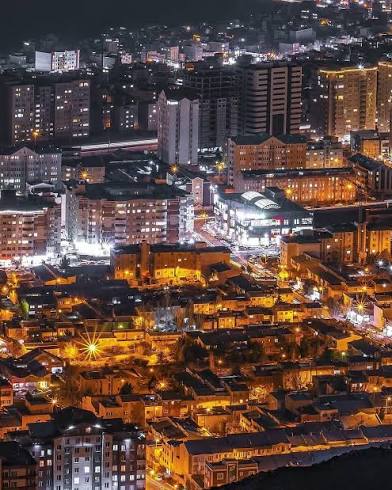
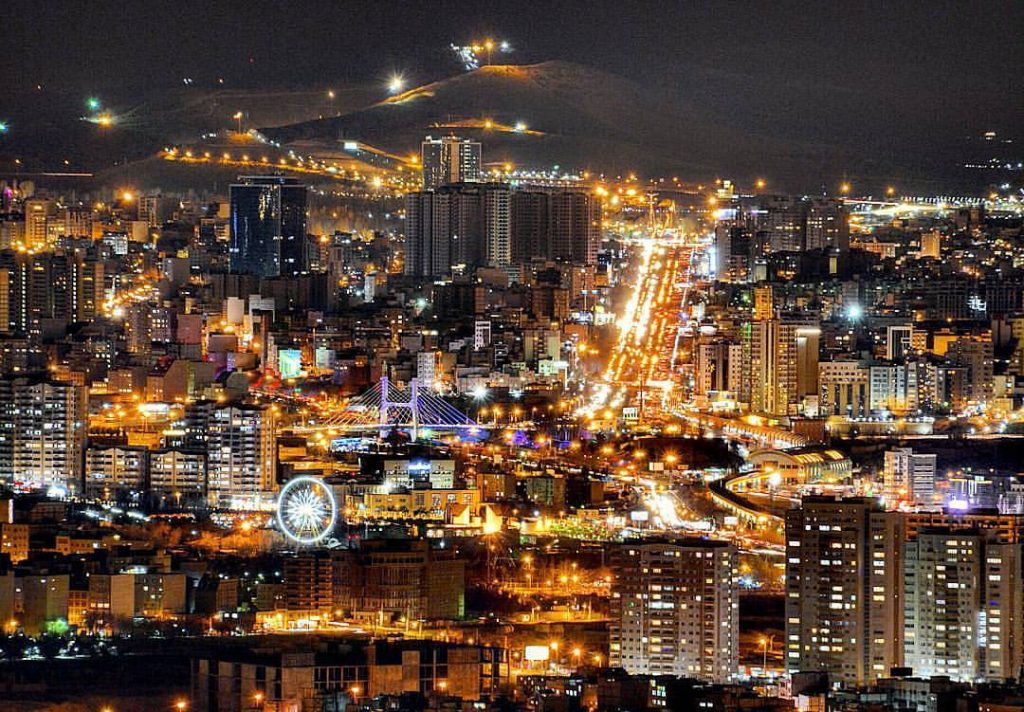
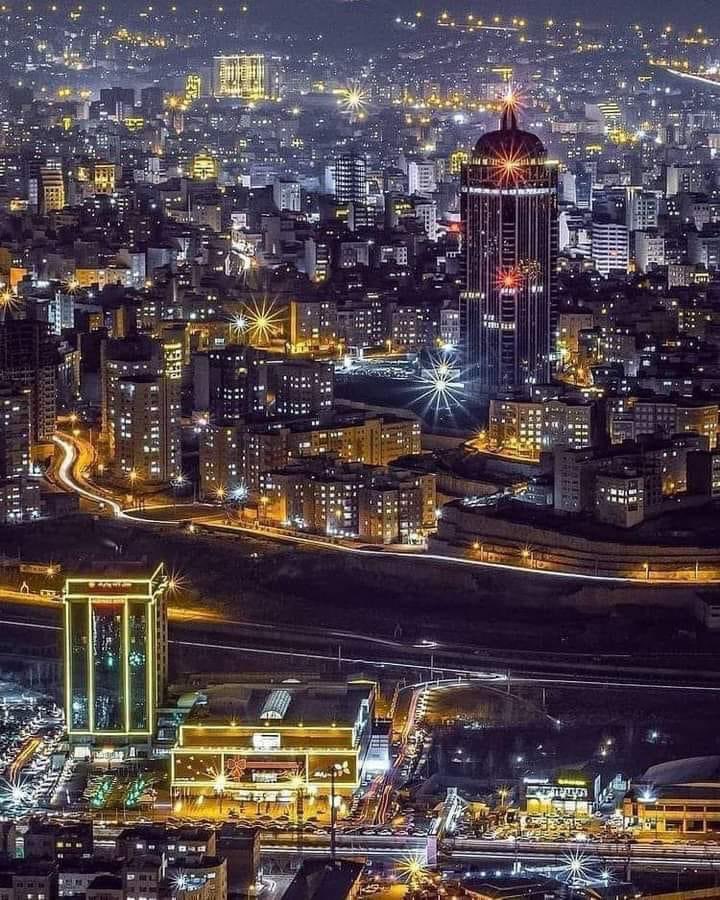
As night falls, Tabriz reveals another dimension of its character. Illuminated historical monuments create a magical atmosphere, while modern light installations highlight contemporary architecture. Traditional tea houses fill with students debating philosophy, and family restaurants echo with laughter and the sounds of live music.
The city’s future looks toward balanced development that respects its past while embracing innovation. Urban planners work closely with historians to ensure new construction complements existing architectural heritage. Digital archives preserve the stories of elderly residents, ensuring that collective memory informs future progress.
Tabriz stands as a testament to resilience and renewal, having weathered centuries of change while maintaining its distinctive identity. The city continues to offer lessons in how tradition and modernity can coexist harmoniously, creating a unique urban experience that captivates residents and visitors alike. Each season brings new reasons to explore its streets, from spring blossoms in Elgoli Park to winter festivities that transform the bazaar into a magical wonderland.
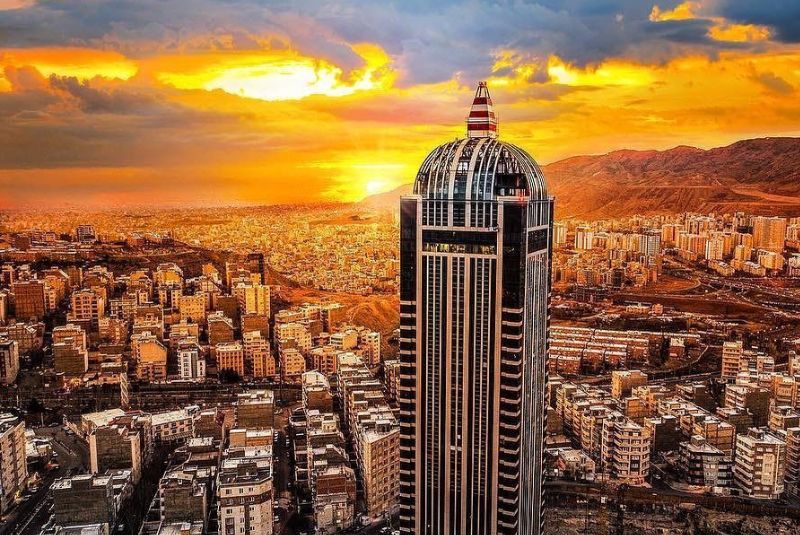
The spirit of Tabriz lies in its ability to honor its history while writing new chapters of innovation and growth. It remains a city where ancient crafts thrive alongside cutting-edge technology, where traditional values inform modern community life, and where the warmth of its people makes every visitor feel welcome. As the sun sets behind the Sahand mountains, casting golden light on minarets and modern towers alike, Tabriz continues its journey as a living museum and a beacon of progress.
The city’s culinary scene offers an unforgettable journey through authentic Azerbaijani flavors. Local eateries serve up generous portions of abgoosht, a hearty meat and bean stew, alongside various kebabs that showcase the region’s mastery of grilled meats. The famous Tabrizi meatballs, stuffed with dried fruits and nuts, represent the perfect balance of sweet and savory that characterizes local cuisine. Traditional tea houses continue to serve strong black tea in delicate glassware, often accompanied by sugar cubes and local pastries.
Throughout the city, modern art installations stand alongside historical monuments, creating a fascinating dialogue between past and present. Young artists draw inspiration from traditional patterns and motifs, reinterpreting them through contemporary mediums. The annual Tabriz International Art Festival attracts creators from across the Middle East, transforming the city into a vibrant cultural exchange platform.
The surrounding countryside offers breathtaking natural beauty within easy reach of the urban center. The Kandovan village, with its extraordinary troglodyte dwellings carved into volcanic rock, provides a glimpse into ancient architectural solutions that remain relevant today. The Sahand mountain range offers numerous hiking trails through alpine meadows that burst into color during springtime, while winter brings opportunities for skiing and other snow sports.
Economic development continues to diversify beyond traditional industries. Technology startups have begun emerging from university incubators, particularly in fields like agricultural technology and renewable energy. The city’s position as a border hub has encouraged growth in logistics and transportation services, with new warehouses and distribution centers appearing around the industrial zones.
Education remains a priority for local families, with numerous language institutes offering courses in English, Turkish, and Russian alongside the standard curriculum. This multilingual approach reflects Tabriz’s historical role as a crossroads of cultures and its aspirations for greater international engagement.
The city’s calendar fills with cultural events throughout the year, from traditional Nowruz celebrations marking the Persian New Year to contemporary music festivals that attract performers from across the region. The annual Tabriz Book Fair has grown into one of Iran’s most important literary events, drawing publishers and authors from across the Persian-speaking world.
Urban renewal projects have carefully preserved the city’s historical character while introducing modern infrastructure. The restoration of traditional houses in the historic district has created a charming neighborhood of cafes, art galleries, and boutique hotels. New parks and green spaces offer residents peaceful retreats from the bustling city streets, with carefully maintained gardens that showcase local horticultural traditions.
The people of Tabriz maintain their reputation for warmth and hospitality, welcoming visitors with genuine curiosity and generosity. Family values remain strong, with multiple generations often gathering for weekly meals and celebrations. This strong social fabric has helped the community navigate economic challenges and maintain its unique cultural identity.
As Tabriz looks to the future, it continues to balance progress with preservation, embracing new opportunities while honoring its rich heritage. The city’s strategic location, educated workforce, and entrepreneurial spirit position it well for continued growth and development. Whether exploring its ancient bazaars, admiring its architectural treasures, or engaging with its vibrant cultural scene, visitors discover a city that both honors its past and eagerly anticipates its future.
Tabriz, the shining jewel of northwestern Iran, is a city where history breathes through the cobblestones of its streets. This ancient metropolis served as the historical capital of several major Iranian dynasties and has always played a decisive role in the country’s cultural and political developments. With a history dating back to pre-Islamic times, Tabriz has witnessed countless ups and downs but has always risen with more determined resolve.
“The City of Firsts in Iran” is a title truly deserved by Tabriz. The first printing house, the first municipal code, the first educational center for the blind, and the first railway are among the achievements that have distinguished Tabriz’s name in Iran’s contemporary history. The people of this land have always been pioneers in social and cultural transformations.
The Tabriz Bazaar, the largest covered market in the world, is the economic heartbeat of the city. This magnificent complex, registered as a UNESCO World Heritage Site, with its beautiful arches and unique architecture, is a relic from the era of this region’s commercial zenith. Wandering through its various alleys is like traveling back in time to bygone eras.
The Blue Mosque, or the Turquoise of Islam, is another symbol of Persian-Islamic architectural splendor in Tabriz. Its turquoise-blue tilework leaves viewers in awe. Built during the reign of Jahan Shah Qara Qoyunlu, this mosque represents an unparalleled example of Islamic period architecture.
The Mausoleum of Poets serves as the eternal resting place for many renowned Persian poets and mystics. Shahriar, Asadi Tusi, Qatran Tabrizi, and many other literary giants lie buried here. For lovers of Persian literature and culture, this place is considered a sacred sanctuary.
Tabriz is the birthplace of great figures like Sattar Khan and Baqer Khan, heroes of the Constitutional Revolution. The spirit of libertarianism and independence flows in the blood of its people. The Constitution House, a memorial from those passionate times, now serves as a museum narrating the Iranian people’s struggles for freedom.
Azeris are famous for their hospitality, and their rich culture is reflected in their exceptional local cuisine. Tabrizi kebab with its special aroma and flavor, stuffed grape leaves, yogurt soup, and various delicious sweets like nougat and ris are just part of this region’s culinary treasure.
Tabriz’s handicrafts enjoy worldwide fame. Precious Tabriz carpets with their unique designs and colors are valuable souvenirs. The arts of pottery, leatherworking, and silverwork also flourish in this city.
The University of Tabriz, as one of Iran’s oldest higher education institutions, has played a significant role in nurturing the country’s scientific elites. This city has always been a cradle of knowledge, introducing many scientists to the world.
The Sahand mountain range with its green slopes offers pristine nature and spectacular landscapes to tourists. Lake Urmia in the vicinity of the city, one of the world’s largest saltwater lakes, has unfortunately faced environmental challenges in recent years.
Tabriz is a four-season city with cold, snowy winters and mild summers. The city’s spring is remarkable with beautiful almond and walnut blossoms, while its autumn is unparalleled with golden and orange hues.
Azerbaijani folk music with unique instruments like the garmon, balaban, and gaval is an inseparable part of this region’s culture. Ashiks, the musicians and singers of this music, are the guardians of the Azerbaijani people’s oral culture.
The rich literature of Azerbaijani Turkish with poets like Shahriar has presented works like “Heydar Babaya Salam” to world literature. These poems, written in the sweet Tabrizi dialect, express deep love for the homeland and local culture.
Tabriz’s automotive industry with large factories like Iran Khodro and Saipa plays an important role in the country’s economy. Heavy industries, machine building, and home appliance manufacturing are other economic pillars of the city.
An advanced transportation network including an international airport, railway station, and passenger terminals has made Tabriz one of the region’s important communication hubs.
Tabriz is a city where tradition and modernity blend harmoniously. Alongside valuable historical buildings, modern structures and advanced shopping centers are also remarkable.
The people of Tabriz are famous for their hard work and perseverance. While adhering to ancient traditions, they remain open to change and transformation.
Tabriz was selected as the Islamic Culture Capital in 2018, demonstrating the city’s cultural importance at the regional level.
Various cultural, artistic, and handicraft festivals throughout the year attract many tourists to the city.
Tabriz’s numerous museums including the Azerbaijan Museum, Qajar Museum, and Constitution Museum preserve valuable treasures of the region’s history and culture.
Large libraries and old bookstores show the people’s interest in reading and knowledge.
Tabriz is a city that has hosted various religions and ethnicities throughout history, with a visible spirit of tolerance and acceptance.
The future of Tabriz looks very bright considering its numerous economic, cultural, and tourism potentials.
While preserving its rich cultural heritage, the city is moving toward sustainable and comprehensive development.
Tabriz is not just a city but a cultural phenomenon whose visiting experience will be unforgettable for any tourist.
Tabriz, this shining gem in northwestern Iran, with its rich history, abundant culture, and hospitable people, will always remain in memories. The city continues to evolve while maintaining its unique identity, offering a perfect blend of historical grandeur and modern progress. Its strategic location makes it a crucial bridge between Iran and neighboring countries, enhancing its economic and cultural significance. The resilience of its people through various historical challenges stands as a testament to their strong character and determination. As Tabriz moves forward, it carries with it the legacy of its glorious past while embracing the opportunities of the future, ensuring its place as one of Iran’s most important and fascinating cities.
تبریز، نگین درخشان شمال غرب ایران، شهری است که تاریخ در سنگفرش خیابانهایش نفس میکشد. این کلانشهر کهن، پایتخت تاریخی چندین سلسله بزرگ ایرانی بوده و همواره نقش تعیینکنندهای در تحولات فرهنگی و سیاسی کشور ایفا کرده است. تبریز با قدمتی که به دوران پیش از اسلام بازمیگردد، شاهد فراز و نشیبهای بیشماری بوده ولی هر بار با عزمی راسختر قد برافراشته است.
شهر اولینهای ایران، این عنوانی است که به حق برازنده تبریز است. اولین چاپخانه، اولین نظامنامه شهری، اولین مرکز آموزشی نابینایان و اولین خط راهآهن از جمله دستاوردهایی است که نام تبریز را در تاریخ معایر ایران متمایز ساخته است. مردم این دیار همواره پیشگام تحولات اجتماعی و فرهنگی بودهاند.
بازار تبریز، بزرگترین بازار سرپوشیده جهان، قلب تپنده اقتصادی این شهر است. این مجموعه عظیم که در فهرست میراث جهانی یونسکو ثبت شده، با طاقهای زیبا و معماری بینظیرش، یادگاری از دوران اوج شکوه تجاری این منطقه است. گردش در راستههای مختلف این بازار، سفری در زمان به اعصار گذشته است.
مسجد کبود یا فیروزه اسلام، از دیگر نمادهای شکوه معماری ایرانی-اسلامی در تبریز است. کاشیکاریهای آبی فیروزهای این بنا، بینندگان را به تحسین وامیدارد. این مسجد که در دوران جهانشاه قرهقویونلو ساخته شد، نمونه بینظیری از هنر معماری دوره اسلامی است.
مقبرةالشعرا، آرامگاه ابدی بسیاری از شاعران و عارفان نامدار ایران زمین است. شهریار، اسدی طوسی، قطران تبریزی و بسیاری دیگر از بزرگان ادب فارسی در این مکان آرمیدهاند. این مکان برای دوستداران ادبیات و فرهنگ ایرانی، حرمی مقدس به شمار میرود.
تبریز زادگاه بزرگانی چون ستارخان و باقرخان، قهرمانان نهضت مشروطه است. روحیه آزادیخواهی و استقلالطلبی در خون مردم این شهر جاری است. خانه مشروطه، یادگار آن دوران پرشور، امروز به موزهای تبدیل شده که روایتگر مبارزات مردم ایران برای کسب آزادی است.
آذریها به مهماننوازی شهره هستند و فرهنگ غنی آنها در غذاهای محلی بینظیرشان تجلی یافته. کباب تبریزی با عطر و طعم مخصوصش، دلمه برگ مو، آش دوغ و انواع شیرینیهای لذیذ چون نوقا و ریس، تنها بخشی از گنجینه culinary این منطقه هستند.
صنایع دستی تبریز شهرت جهانی دارد. فرشهای نفیس تبریز با طرحها و رنگهای بینظیرشان، سوغاتی ارزشمند به شمار میروند. هنر سفالگری، چرمسازی و نقرهکاری نیز در این شهر رونق بسیاری دارد.
دانشگاه تبریز به عنوان یکی از قدیمیترین مراکز آموزش عالی ایران، نقش مهمی در پرورش نخبگان علمی کشور داشته است. این شهر همواره مهد علم و دانش بوده و دانشمندان بسیاری را به جهان معرفی کرده است.
کوهستان سهند با دامنههای سرسبز، طبیعتی بکر و چشمندازهایی فوقالعاده در اختیار گردشگران قرار میدهد. دریاچه ارومیه در همسایگی این شهر، یکی از بزرگترین دریاچههای آب شور جهان بوده که متاسفانه این سالها با Challenges زیست محیطی روبرو شده است.
تبریز شهری چهارفصل است با زمستانهای سرد و برفی و تابستانهای معتدل. بهار این شهر با شکوفههای زیبای بادام و گردو تماشایی است و پاییزش با رنگهای طلایی و نارنجی بینظیر.
موسیقی مقامی آذربایجانی با سازهای خاصی مانند قارمان، بالابان و قاوال، بخشی جداییناپذیر از فرهنگ این منطقه است. عاشیقها، نوازندگان و خوانندگان این موسیقی، حافظان فرهنگ شفاهی مردم آذری هستند.
ادبیات غنی ترکی آذربایجانی با شاعرانی چون شهریار، حیدربابایه سلام را به جهان ادبیات تقدیم کرده است. این اشعار که با لهجه شیرین تبریزی سروده شده، بیانگر عشق عمیق به زادگاه و فرهنگ بومی است.
صنعت خودروسازی تبریز با کارخانههای بزرگی مانند ایرانخودرو و سایپا، نقش مهمی در اقتصاد کشور ایفا میکند. صنایع سنگین، ماشینسازی و تولید لوازم خانگی نیز از دیگر支柱های اقتصادی این شهر هستند.
شبکه حمل و نقل پیشرفته شامل فرودگاه بینالمللی، ایستگاه راهآهن و پایانههای مسافربری، تبریز را به یکی از قطبهای مهم ارتباطی در منطقه تبدیل کرده است.
تبریز شهری است که سنت و مدرنیته در آن به خوبی با هم تلفیق شدهاند. در کنار بناهای تاریخی ارزشمند، ساختمانهای مدرن و مراکز خرید پیشرفته نیز چشمگیر هستند.
مردم تبریز به سختکوشی و perseverance معروف هستند. آنها در عین پایبندی به traditions کهن، open to تغییر و تحول هستند.
تبریز به عنوان پایتخت فرهنگی کشورهای اسلامی در سال ۲۰۱۸ انتخاب شد که نشاندهنده اهمیت فرهنگی این شهر در سطح منطقه است.
جشنوارههای مختلف فرهنگی، هنری و صنایع دستی throughout سال در این شهر برگزار میشوند که گردشگران بسیاری را جذب میکنند.
موزههای متعدد تبریز از جمله موزه آذربایجان، موزه قاجار و موزه مشروطه، گنجینههای ارزشمندی از تاریخ و فرهنگ این منطقه را در خود حفظ کردهاند.
کتابخانههای بزرگ و کتابفروشیهای قدیمی، نشاندهنده علاقه مردم این دیار به مطالعه و دانش هستند.
تبریز شهری است که در طول تاریخ میزبان ادیان و اقوام مختلف بوده و spirit تساهل و مدارا در آن مشهود است.
آینده تبریز با توجه به potentialهای فراوان اقتصادی، فرهنگی و tourismی بسیار درخشان به نظر میرسد.
این شهر با حفظ heritage فرهنگی غنی خود، به سمت توسعه پایدار و همهجانبه در حرکت است.
تبریز نه تنها یک شهر، بلکه یک phenomenon فرهنگی است که تجربه visit آن برای هر گردشگری فراموشنشدنی خواهد بود.
تبریز، این گوهری درخشان در شمال غرب ایران، با تاریخ پربار، فرهنگ غنی و مردم مهماننوازش، همیشه در memoryها خواهد ماند.
تاریخ و قدمت
- تبریز یکی از کهنترین شهرهای ایران است.
- تاریخ دقیق پیدایش تبریز به درستی مشخص نیست.
- افسانههایی founding شهر تبریز را به همسر خسرو پرویز نسبت میدهند.
- نام تبریز در کتیبههای سارگون دوم آشوری ذکر شده است.
- در کتابهای تاریخی، از تبریز با نام “توریز” یاد شده است.
- این شهر در گذر تاریخ شاهد حوادث بسیار بوده است.
- تبریز در دوران ایلخانان پایتخت ایران بود.
- در دوره صفویه، تبریز اولین پایتخت ایران شد.
- این شهر در دوران قاجار محل ولیعهدنشین بود.
- تبریز در نهضت مشروطه نقش کلیدی ایفا کرد.
- این شهر به عنوان شهر اولینها معروف است.
- تبریز در انقلاب اسلامی نیز پیشتاز بود.
- شهر در طول تاریخ چندین بار بر اثر زلزله ویران شده است.
- اما هر بار مانند ققنوس از خاکستر خود برخاسته است.
- تاریخ تبریز با تاریخ آذربایجان گره خورده است.
- بازار تبریز یادگاری از دوران اوج شکوه این شهر است.
- مسجد کبود نماد عصر طلایی هنر و معماری در تبریز است.
- ارک علیشاه نمادی از تاریخ پر فراز و نشیب تبریز است.
- تبریز مهد فرهنگ و تمدن در شمال غرب ایران است.
- این شهر همواره مرکز تجارت و داد و ستد بوده است.
- تبریز دروازه ارتباطی ایران با جهان غرب محسوب میشد.
- قرارگیری بر جاده ابریشم بر رونق تاریخی تبریز افزوده است.
- تاریخ معاصر تبریز مملو از حوادث سیاسی و اجتماعی است.
- مردم تبریز همواره در صحنههای مهم تاریخی حاضر بودهاند.
- تبریز به شهر مجاهدان و مبارزان مشهور است.
- تاریخنگاران بسیاری از تبریز برخاستهاند.
- اسناد تاریخی گواهی بر اهمیت تبریز در ادوار مختلف هستند.
- موزههای تبریز گنجینههایی از تاریخ کهن آن هستند.
- خانههای تاریخی تبریز روایتگر سبک زندگی در گذشتهاند.
- تبریز شهری است که تاریخ در کوچه پسکوچههای آن جریان دارد.
جغرافیا و آب و هوا
- تبریز مرکز استان آذربایجان شرقی است.
- این شهر در شمال غرب ایران واقع شده است.
- تبریز در دامنه کوهستان سهند قرار گرفته است.
- کوه عون بن علی (عینالی) از نمادهای طبیعی تبریز است.
- رودخانه مهرانرود از میان شهر تبریز میگذرد.
- آب و هوای تبریز سرد و نیمهخشک است.
- تبریز دارای زمستانهای سرد و طولانی است.
- تابستانهای تبریز معتدل و کوتاه است.
- این شهر به بام ایران معروف است.
- میانگین ارتفاع تبریز از سطح دریا حدود ۱۳۵۰ متر است.
- تبریز دومین شهر بزرگ صنعتی ایران پس از تهران است.
- این شهر دومین شهر بزرگ ایران از نظر وسعت شهری است.
- تبریز از شمال به کوههای پکهچین و عون بن علی محدود میشود.
- از جنوب به دشت تبریز و کوههای سهند منتهی میگردد.
- پارک ائلگلی (شاهگلی) از مهمترین تفرجگاههای طبیعی تبریز است.
- دریاچه مصنوعی ائلگلی یکی از چشماندازهای زیبای شهر است.
- جنگل کاریهای اطراف تبریز به بهبود هوای شهر کمک کرده است.
- تبریز دارای بادهای محلی معروفی مانند باد “گلجه” است.
- این شهر در منطقهای زلزلهخیز قرار دارد.
- خاک حاصلخیز دشت تبریز برای کشاورزی مناسب است.
- فرودگاه بینالمللی شهید مدنی تبریز، یکی از فرودگاههای مهم کشور است.
- موقعیت راهبردی تبریز، آن را به یک hub ترانزیتی تبدیل کرده است.
- فاصله تبریز تا تهران حدود ۶۲۰ کیلومتر است.
- تبریز نزدیک به مرزهای ایران با ترکیه، ارمنستان و آذربایجان است.
- این شهر از نظر جغرافیای سیاسی اهمیت زیادی دارد.
- رشد شهری تبریز به سمت جنوب و غرب بوده است.
- مناطق ییلاقی اطراف تبریز مانند مصفاوشهردی، مقصد گردشگری هستند.
- تنوع آب و هوایی در مناطق کوهپایهای اطراف تبریز وجود دارد.
- آلودگی هوا در برخی از فصول سال از معضلات تبریز است.
- پروژههای بزرگ عمرانی برای توسعه فضای سبز تبریز در دست اجراست.
مشاهیر و بزرگان
- تبریز زادگاه بزرگان بسیاری در عرصه علم و ادب است.
- شیخ محمد خیابانی از روحانیون و مجاهدین مشروطه در تبریز متولد شد.
- ستارخان، سردار ملی ایران، از قهرمانان تبریز در مشروطه است.
- باقرخان، از دیگر مجاهدین مشروطه، اهل تبریز بود.
- کمالالدین بهزاد، نقاش مشهور ایرانی، اهل تبریز بود.
- خواجه رشیدالدین فضلالله همدانی، وزیر ایلخانی، در تبریز فعالیت داشت.
- او وزیر دانشمند و بنیانگذار ربع رشیدی در تبریز بود.
- شمس تبریزی، مراد و مونس مولانا جلالالدین بلخی، اهل تبریز بود.
- بابک خرمدین، قهرمان ملی ایران، از منطقه آذربایجان برخاسته است.
- پروین اعتصامی، شاعر نامدار ایرانی، اصالتاً تبریزی است.
- محمدحسین شهریار، شاعر پرآوازه ایرانی، در تبریز متولد شد و درگذشت.
- شعر “علی ای همای رحمت” از شهریار است.
- او به زبانهای فارسی و ترکی آذربایجانی شعر سروده است.
- ثقهالاسلام تبریزی، از روحانیون مجاهد مشروطه، در تبریز به شهادت رسید.
- سید محمدحسین طباطبایی، صاحب المیزان، سالها در تبریز سکونت داشت.
- جبار باغچهبان، بنیانگذار آموزش ناشنوایان در ایران، اهل تبریز بود.
- او اولین کودکستان را در تبریز تأسیس کرد.
- محمود نقشهبردار، از پیشگامان کارتوگرافی در ایران، اهل تبریز بود.
- حسن تقیزاده، از رجال سیاسی و فرهنگی، اهل تبریز بود.
- عباس میرقائد، از شهدای ورزشکار و مربی پرورش اندام تبریزی بود.
- نادر ملکی، قهرمان جهانی ووشو، اهل تبریز است.
- علی دایی، فوتبالیست افسانهای ایران، اصالتی تبریزی دارد.
- بسیاری از هنرمندان سینما و تئاتر ایران از تبریز برخاستهاند.
- تبریز خاستگاه بسیاری از industrialists و کارآفرینان موفق ایران است.
- بزرگان بسیاری در عرصه علوم دینی از تبریز برخاستهاند.
- دانشگاه تبریز میزبان بسیاری از دانشمندان و اساتید برجسته بوده است.
- تبریز به عنوان یکی از شهرهای علمی ایران شناخته میشود.
- فرهنگ عاشقانگی و ادبیات شفاهی آذربایجان در تبریز ریشه دارد.
- عاشیقها، نقالان و موسیقیدانان محلی از مشاهیر فرهنگی منطقه هستند.
- تبریز همواره مهد پرورش اندیشمندان و روشنفکران بوده است.
فرهنگ و آداب و رسوم
- مردم تبریز به مهماننوازی معروف هستند.
- فرهنگ غنی آذربایجانی بر زندگی در تبریز حاکم است.
- زبان اصلی مردم تبریز، ترکی آذربایجانی است.
- فارسی نیز به طور گسترده در تبریز understood و spoken میشود.
- لهجه تبریزی دارای ویژگیهای منحصر به فردی است.
- ادبیات شفاهی تبریز بسیار غنی و پربار است.
- ضربالمثلهای تبریزی بسیار گویا و پرمعنا هستند.
- موسیقی مقامی آذربایجانی در تبریز زنده است.
- عاشیقها، نوازندگان و خوانندگان سنتی این موسیقی هستند.
- جشنهای عید نوروز در تبریز با شکوه برگزار میشود.
- مراسم چهارشنبهسوری در تبریز آیینهای خاص خود را دارد.
- مردم تبریز در مراسم عزاداری محرم مشارکت پرشوری دارند.
- تعزیهخوانی از مراسم سنتی مذهبی در تبریز است.
- غذاهای محلی تبریز شهرت فراوانی دارند.
- art of carpet weaving در تبریز و حومه آن رونق دارد.
- قالیهای تبریز از معروفترین قالیهای ایرانی در جهان هستند.
- طراحی و نقاشی قالی در تبریز به صورت صنعتی و سنتی انجام میشود.
- تبریز در گذشته یکی از مراکز مهم تذهیب و خوشنویسی بود.
- صنایع دستی دیگری مانند سوزندوزی نیز در تبریز رواج دارد.
- leather production از صنایع تاریخی و سنتی تبریز است.
- مردم تبریز به سختکوشی و perseverance معروف هستند.
- humor تبریزی بخشی از فرهنگ روزمره مردم است.
- لباس محلی آذربایجانی در برخی مراسم خاص پوشیده میشود.
- رقصهای محلی آذربایجانی در جشنها اجرا میشود.
- فرهنگ کافه و کافهنشینی در تبریز ریشه تاریخی دارد.
- تبریز به عنوان پایتخت کتاب ایران انتخاب شده است.
- کتابفروشیهای قدیمی و بزرگ از نمادهای فرهنگی تبریز هستند.
- تئاتر در تبریز پیشینه طولانی دارد.
- سالنهای تئاتر تبریز از فعالترین سالنهای کشور هستند.
- سینما در تبریز از دیرباز مورد استقبال مردم بوده است.
اقتصاد و صنعت
- تبریز یکی از قطبهای اصلی صنعتی ایران است.
- این شهر به عنوان قطب خودروسازی ایران شناخته میشود.
- ایرانخودرو (دیزل) و خودروسازی سایپا در تبریز فعال هستند.
- صنایع سنگین ماشینسازی تبریز از کارخانههای بزرگ کشور است.
- تراکتورسازی تبریز یکی از بزرگترین تولیدکنندگان تراکتور در خاورمیانه است.
- صنایع پتروشیمی در اطراف تبریز وجود دارد.
- صنایع غذایی و لبنیات در تبریز بسیار توسعه یافته است.
- کارخانههای تولید کابل و برق در تبریز فعال هستند.
- صنعت چرمسازی تبریز تاریخی و معروف است.
- تولید فرش و قالی یکی از صنایع اصلی اشتغالزای تبریز است.
- تبریز از مراکز مهم تولید و صادرات خشکبار در ایران است.
- بازار تبریز قلب تپنده اقتصاد سنتی شهر است.
- این شهر همواره یک مرکز مهم تجاری در منطقه بوده است.
- نمایشگاه بینالمللی تبریز یکی از مهمترین نمایشگاههای ایران است.
- این نمایشگاه میزبان نمایشگاههای تخصصی مختلف است.
- موقعیت مرزی تبریز به رونق تجارت خارجی آن کمک میکند.
- شهرکهای صنعتی متعددی در اطراف تبریز احداث شده است.
- اقتصاد تبریز ترکیبی از صنعت، تجارت و کشاورزی است.
- دشت حاصلخیز تبریز محصولات کشاورزی فراوانی تولید میکند.
- تبریز در تولید میوههایی مانند سیب و انگور سهم دارد.
- صنایع وابسته به کشاورزی نیز در تبریز توسعه یافته است.
- بخش خدمات و گردشگری سهم رو به رشدی در اقتصاد تبریز دارد.
- بانکها و مؤسسات مالی متعددی در تبریز شعبه دارند.
- شرکتهای بازرگانی بسیاری در تبریز مستقر هستند.
- هتلهای بینالمللی و مهمانپذیرها در تبریز فعال هستند.
- رستورانها و مراکز غذایی تبریز بسیار متنوع هستند.
- مراکز خرید مدرن و سنتی در تبریز رونق اقتصادی ایجاد کردهاند.
- فرآوردههای دامی از جمله دیگر محصولات منطقه تبریز هستند.
- صنایع دستی نیز سهمی در اقتصاد محلی تبریز دارد.
- سرمایهگذاری خارجی در صنایع تبریز در حال افزایش است.
معماری و بناهای تاریخی
- تبریز دارای بناهای تاریخی متعدد و ارزشمندی است.
- بازار تبریز بزرگترین بازار سرپوشیده جهان است.
- این بازار در فهرست میراث جهانی یونسکو ثبت شده است.
- بازار تبریز دارای راستهها، تیمچهها و سراهای متعدد است.
- تیمچه امیر از زیباترین بخشهای بازار تبریز است.
- مسجد کبود (گوک مسجد) از شاهکارهای معماری اسلامی است.
- کاشیکاریهای فیروزهای مسجد کبود بینظیر هستند.
- این مسجد به فیروزه اسلام شهرت دارد.
- ارک علیشاه (ارک تبریز) باقیمانده یک مسجد عظیم است.
- این بنا مربوط به دوره ایلخانیان است.
- مقبرهالشعرا آرامگاه بسیاری از شعرا و عرفای نامدار است.
- شهریار، اسدی طوسی، خاقانی و دیگران در مقبرهالشعرا دفن هستند.
- خانه مشروطیت موزه و یادبود نهضت مشروطه در ایران است.
- این خانه تاریخی محل تصمیمگیریهای مهم مشروطه بود.
- خانههای تاریخی بسیاری در تبریز وجود دارد.
- خانه اردوبادی، خانه بهنام، خانه گنجهایزاده از جمله آنها هستند.
- این خانهها دارای معماری خاص قاجاری و زیبا هستند.
- موزه آذربایجان دومین موزه باستانشناسی ایران است.
- این موزه گنجینهای از آثار تاریخی منطقه را در خود جای داده است.
- کلیسای مریم مقدس از کلیساهای قدیمی ارامنه در تبریز است.
- مسجد جامع تبریز یکی از کهنترین مساجد ایران است.
- این مسجد دستخوش تغییرات و بازسازیهای بسیاری شده است.
- ربع رشیدی شهرکی علمی و دانشگاهی در دوره ایلخانی بود.
- امروزه آثار کمی از آن به جا مانده است.
- برج آتشنشان (برج یانقین) از بناهای معروف دوره پهلوی است.
- این برج برای دیدهبانی آتشسوزی استفاده میشد.
- پلهای تاریخی مانند پل قاری (قاری کورپوسی) بر رودخانه مهرانرود قرار دارند.
- مجموعه ائلگلی (شاهگلی) یک باغ تاریخی با عمارتی در وسط استخر است.
- این مجموعه از تفرجگاههای اصلی مردم تبریز است.
- عمارت شهرداری تبریز نماد معماری مدرن در دوره پهلوی است.
- این بنا به شکل یک عقاب در حال پرواز ساخته شده است.
- برج ساعت شهرداری از نمادهای شهر تبریز است.
- گذرگاههای زیرزمینی (شبکه زیرگذرها) از ویژگیهای معماری شهری تبریز است.
- بسیاری از بناهای تاریخی تبریز نیاز به مرمت و بازسازی دارند.
- سازمان میراث فرهنگی تلاش زیادی برای حفظ این بناها میکند.
دانشگاهها و مراکز علمی
- تبریز یکی از قطبهای دانشگاهی ایران است.
- دانشگاه تبریز یکی از oldest و معتبرترین دانشگاههای ایران است.
- این دانشگاه در سال ۱۳۲۶ تأسیس شد.
- دانشگاه تبریز در رشتههای مختلف علوم پایه، مهندسی و انسانی دانشجو میپذیرد.
- دانشگاه علوم پزشکی تبریز از دانشگاههای برتر علوم پزشکی کشور است.
- دانشکده پزشکی تبریز سابقه طولانی در آموزش پزشکی دارد.
- دانشگاه صنعتی سهند تبریز در رشتههای فنی و مهندسی فعال است.
- دانشگاه هنر اسلامی تبریز تنها دانشگاه تخصصی هنر اسلامی در ایران است.
- این دانشگاه در ساختمان تاریخی فرش سابق مستقر است.
- دانشگاه آزاد اسلامی واحد تبریز از بزرگترین واحدهای دانشگاه آزاد است.
- مراکز آموزش عالی غیرانتفاعی متعددی در تبریز فعالیت میکنند.
- پژوهشگاههای متعددی در تبریز مستقر هستند.
- کتابخانه مرکزی تبریز یکی از بزرگترین کتابخانههای کشور است.
- تبریز میزبان بسیاری از کنفرانسهای ملی و بینالمللی است.
- دانشمندان و researchers تبریزی سهم بزرگی در تولید علم ایران دارند.
- مدارس تاریخی و معروفی مانند رشدیه در تبریز وجود داشته است.
- فضای علمی تبریز بسیار پویا و فعال است.
- استعدادهای درخشان زیادی از تبریز در المپیادهای علمی حضور دارند.
- ارتباطات علمی بینالمللی دانشگاههای تبریز گسترده است.
- خوابگاههای دانشجویی متعددی در تبریز وجود دارد.
- شهرکهای دانشگاهی در اطراف تبریز در حال توسعه هستند.
- بورسیههای تحصیلی برای جذب دانشجویان نخبه ارائه میشود.
- آزمایشگاههای مجهز پژوهشی در دانشگاههای تبریز فعال هستند.
- نشریات علمی متعددی توسط دانشگاههای تبریز منتشر میشود.
- تبریز به عنوان یک شهر دانشگاهی شناخته میشود.
گردشگری و جاذبهها
- تبریز یکی از مقاصد مهم گردشگری در ایران است.
- جاذبههای تاریخی اصلیترین دلیل سفر به تبریز هستند.
- بازار تبریز خود به تنهایی یک شهر کامل برای گردشگران است.
- مسجد کبود با معماری بینظیرش گردشگران را مجذوب میکند.
- موزه آذربایجان برای علاقهمندان به تاریخ بسیار جذاب است.
- ائلگلی در بهار و تابستان میزبان گردشگران بسیاری است.
- کوهنوردی در کوه عون بن علی (عینالی) از فعالیتهای محبوب است.
- مقبرهالشعرا برای دوستداران ادبیات ارزش زیادی دارد.
- خانه مشروطیت برای علاقهمندان به تاریخ معایر ایران جذاب است.
- تماشای معماری خانههای تاریخی تبریز لذتبخش است.
- غذاهای محلی تبریز خود یک جاذبه گردشگری هستند.
- خرید از بازار تبریز و صنایع دستی آن برای گردشگران ضروری است.
- تبریز به عنوان پایتخت گردشگری کشورهای اسلامی انتخاب شده است.
- هتلهای بینالمللی مانند هتل پارس ائلگلی خدمات خوبی ارائه میدهند.
- مهمانپذیرها و اقامتگاههای بومگردی نیز در تبریز وجود دارد.
- تورهای شهری برای بازدید از جاذبههای تبریز برگزار میشود.
- فصل بهار و تابستان بهترین زمان برای بازدید از تبریز است.
- جشنوارههای مختلف فرهنگی و غذایی در تبریز برگزار میشود.
- پارکهای بزرگ شهری مانند باغلی باغ محل relaxation هستند.
- سینماها و مراکز تفریحی مدرن در تبریز فعال هستند.
- رستورانهای سنتی و مدرن در تبریز متنوع هستند.
- کافههای دنج و قدیمی تبریز فضای خاصی دارند.
- سفر به مناطق ییلاقی اطراف تبریز مانند کندوان توصیه میشود.
- گردشگری مذهبی نیز در تبریز وجود دارد.
- امامزادهها و مساجد تاریخی مقاصد زائران هستند.
- فرودگاه بینالمللی تبریز دسترسی آسان به این شهر را فراهم میکند.
- پایانههای مسافربری تبریز با سایر شهرها ارتباط دارند.
- تاکسی و حمل و نقل عمومی در تبریز readily available است.
- راهنمایان گردشگری مجرب در تبریز خدمات ارائه میدهند.
- اطلاعات گردشگری در دفاتر مربوطه در دسترس است.
حمل و نقل و زیرساخت
- تبریز دارای شبکه حمل و نقل گستردهای است.
- فرودگاه بینالمللی شهید مدنی تبریز پروازهای داخلی و خارجی دارد.
- این فرودگاه به بسیاری از شهرهای ایران و جهان پرواز مستقیم دارد.
- پایانه مسافربری مرکزی تبریز یکی از بزرگترین پایانههای کشور است.
- اتوبوسهای بینشهری از این پایانه به مقاصد مختلف حرکت میکنند.
- شبکه اتوبوسرانی درونشهری تبریز بسیار گسترده است.
- خطوط BRT (اتوبوس تندرو) در مسیرهای اصلی تبریز فعال هستند.
- تاکسیهای شهری، بیسیم و اینترنتی در تبریز فعال هستند.
- متروی تبریز در حال حاضر دارای یک خط فعال است.
- خطوط دیگر مترو در دست احداث هستند.
- شبکه راهآهن تبریز را به تهران و دیگر شهرها متصل میکند.
- ایستگاه راهآهن تبریز از ایستگاههای مهم کشور است.
- بزرگراههای متعددی تبریز را به شهرهای دیگر وصل میکنند.
- بزرگراه تبریز-زنجان-تهران یکی از محورهای اصلی است.
- جاده تبریز-مرز بازرگان (ترکیه) از مسیرهای مهم تجاری است.
- خیابانهای اصلی تبریز معمولاً شلوغ و پرترافیک هستند.
- پروژههای بزرگراهی درونشهری برای کاهش ترافیک در دست اجراست.
- زیرساختهای ارتباطی و اینترنتی در تبریز хорошо توسعه یافته است.
- شرکتهای ارائهدهنده خدمات اینترنتی در تبریز فعال هستند.
- شبکه فیبر نوری در حال گسترش در تبریز است.
- سیستم آبرسانی و برقرسانی در تبریز stable است.
- بیمارستانهای مجهز و مدرن در تبریز خدمات درمانی ارائه میدهند.
- مراکز خرید چندطبقه مدرن در تبریز احداث شدهاند.
- ورزشگاههای بزرگ مانند ورزشگاه یادگار امام میزبان مسابقات است.
- زیرساختهای لازم برای میزبانی رویدادهای بزرگ در تبریز فراهم است.
- پارکینگهای طبقاتی برای حل مشکل پارک خودرو ساخته شدهاند.
- سیستم مدیریت پسماند در تبریز به صورت مدرن عمل میکند.
- فضای سبز شهری در تبریز در حال توسعه و گسترش است.
- پروژههای نوسازی بافتهای فرسوده در دست اجراست.
- سرمایهگذاری زیادی روی توسعه زیرساختهای تبریز میشود.
ورزش
- ورزش در تبریز جایگاه ویژهای دارد.
- فوتبال محبوبترین ورزش در تبریز است.
- باشگاه تراکتورسازی تبریز یکی از پرطرفدارترین تیمهای ایران است.
- هواداران تراکتور به “تیراختورچیلار” معروف هستند.
- ورزشگاه یادگار امام (ساخت تبریز) میزبان بازیهای تراکتور است.
- این ورزشگاه یکی از بزرگترین ورزشگاههای ایران است. 277.氛围 بازیهای تراکتور در ورزشگاه بسیار electric و پرانرژی است.
- والیبال نیز در تبریز طرفداران زیادی دارد.
- تیم والیبال شهرداری تبریز از تیمهای مطرح کشور است.
- ورزشهای رزمی مانند ووشو و کاراته در تبریز بسیار موفق هستند.
- نادر ملکی قهرمان ووشو جهان از تبریز است.
- کشتی نیز از ورزشهای پرطرفدار و سنتی در تبریز است.
- سالنهای ورزشی متعددی در سطح شهر تبریز وجود دارد.
- استخرهای سرپوشیده برای ورزش شنا فعال هستند.
- کوهنوردی در کوههای اطراف تبریز رواج دارد.
- باشگاههای بدنسازی و fitness در تبریز بسیار پررونق هستند.
- ورزش همگانی در پارکهای تبریز encouraged میشود.
- مدارس ورزشی برای پرورش استعدادهای جوان وجود دارد.
- تبریز میزبان مسابقات ملی و بینالمللی مختلفی بوده است.
- ورزشکاران تبریزی در میدانهای بینالمللی خوش درخشیدهاند.
- investment در ورزش حرفهای در تبریز قابل توجه است.
- رسانههای ورزشی در تبریز بسیار فعال هستند.
- حمایت از تیمهای محلی در تبریز یک فرهنگ است.
- ورزش بانوان نیز در تبریز در حال توسعه است.
- facilities ورزشی برای افراد کمتوان نیز در تبریز ایجاد شده است.
- events ورزشی charity در تبریز often برگزار میشود.
- دوی ماراتن تبریز هر ساله با استقبال خوبی روبرو میشود.
- سوارکاری نیز در اطراف تبریز رواج دارد.
- تیراندازی با کمان از دیگر ورزشهای مورد علاقه است.
- future ورزش تبریز بسیار روشن به نظر میرسد.
غذاها و شیرینیها
- food culture تبریز بسیار غنی و متنوع است.
- کباب تبریزی معروفترین غذای این شهر است.
- کباب تبریزی often با برنج و گوجه کبابی سرو میشود.
- قیمه تبریزی دارای طعم و رنگی متمایز است.
- دلمه برگ مو از غذاهای خوشمزه و traditional تبریز است.
- انواع بورانی مانند بورانی اسفناج در تبریز محبوب است.
- آش ماست (قرهشوروا) از غذاهای محلی و ترشمزه است.
- آبگوشت تبریزی طعم و سبک خاص خود را دارد.
- کوفته تبریزی (کوفته قیمه) بسیار معروف و خوشمزه است.
- پیچاق قیمه از دیگر غذاهای محلی و لذیذ است.
- انواع پلوها مانند آلبالوپلو در تبریز طبخ میشود.
- تبریز به عنوان شهر شیرینیهای خوشمزه معروف است.
- قرابیه از معروفترین شیرینیهای تبریز است.
- نوقا (لوکا) یک شیرینی مقوی و energy-giving است.
- ریس از شیرینیهای خوشمزه و پرطرفدار تبریز است.
- اریس یک شیرینی لذیذ با پودر قند است.
- شکلات پیستاچیو (پستهلو) از سوغات جدید تبریز است.
- آجیل و خشکبار تبریز از کیفیت و طعم بینظیری برخوردار است.
- نقل تبریز در انواع مختلف و با طعمهای گوناگون تولید میشود.
- عسل کوههای سهند از مرغوبترین عسلهای ایران است.
- پنیر لیقوان از روستاهای اطراف تبریز میآید و بسیار معروف است.
- کشکهای محلی در غذاهای تبریزی استفاده میشود.
- نانهای محلی مانند فتیر و tendir coreyi در تبریز پخت میشود.
- ترشیجات و مرباهای خانگی در تبریز variety زیادی دارد.
- رستورانهای سنتی بسیاری در تبریز foodهای محلی سرو میکنند.
- fast foodهای محلی نیز در تبریز وجود دارد.
- چایخانههای سنتی برای استراحت و نوشیدن چای مناسب هستند.
- فرهنگ صرف چای در تبریز بسیار رایج است.
- قهوهخانههای قدیمی بخشی از تاریخ فرهنگی تبریز هستند.
گویش و زبان
- زبان مردم تبریز، ترکی آذربایجانی است.
- این زبان به زبان ترکی استانبولی نزدیک است.
- لهجه تبریزی within ترکی آذربایجانی دارای ویژگیهای خاصی است.
- فارسی نیز به طور گسترده در مدارس، ادارات و رسانهها استفاده میشود.
- بیشتر مردم تبریز به هر دو زبان مسلط هستند (دوزبانه).
- ترکی تبریزی سرشار از اصطلاحات و ضربالمثلهای جذاب است.
- ادبیات شفاهی به زبان ترکی بسیار غنی است.
- اشعار شهریار به هر دو زبان فارسی و ترکی است.
- mediaهای محلی به زبان ترکی نیز برنامه پخش میکنند.
- روزنامهها و مجلات به زبان ترکی در تبریز منتشر میشود.
- theaterهای محلی often به زبان ترکی اجرا میشوند.
- موسیقی محلی با اشعار ترکی اجرا میشود.
- آموزش زبان ترکی در برخی مدارس به صورت informal انجام میشود. 344.老一辈ها often به لهجه اصیلتر و غلیظتر صحبت میکنند.
- نسل جوان sometimes از لغات فارسی更多 استفاده میکنند.
- interaction با other cultures روی گویش تأثیر گذاشته است.
- efforts برای حفظ و promotion زبان ترکی در جریان است.
- dictionaries و کتب زیادی برای آموزش ترکی تبریزی وجود دارد.
- برنامههای رادیویی و تلویزیونی محلی به زبان ترکی هستند.
- زبان نشاندهنده هویت فرهنگی rich مردم تبریز است.
رسانه و ارتباطات
- تبریز دارای شبکههای رادیویی و تلویزیونی محلی فعال است.
- شبکه استانی سیمای مرکز آذربایجان شرقی در تبریز مستقر است.
- رادیو تبریز برنامههای مختلف به زبانهای فارسی و ترکی پخش میکند.
- روزنامههای محلی و استانی زیادی در تبریز منتشر میشود.
- روزنامههای قدیمی مانند “مهد آزادی” در تبریز چاپ میشد.
- خبرگزاریهای ملی و بینالمللی در تبریز دفتر دارند.
- اینترنت پرسرعت در تبریز به طور گسترده در دسترس است.
- شبکههای اجتماعی در تبریز بسیار پرطرفدار هستند.
- کانالها و صفحات مجازی مرتبط با تبریز بسیار فعال هستند.
- mediaهای online محلی اخبار تبریز را پوشش میدهند.
- صنعت چاپ و نشر در تبریز سابقه طولانی دارد.
- کتابخانههای عمومی متعددی در سطح شهر وجود دارد.
- annual book fairs در تبریز برگزار میشود.
- تبریز به عنوان پایتخت کتاب ایران انتخاب شده است.
- دفاتر خبری بینالمللی sometimes از تبریز report میکنند.
- ارتباطات رسانهای بین تبریز و کشورهای همسایه developing است.
- journalism در تبریز history پرباری دارد.
- mediaها در promotion گردشگری تبریز نقش دارند.
- advertising industry در تبریز رشد کرده است.
- freedom مطبوعات در تبریز با ups and downs همراه بوده است.
زندگی شهری و محلات
- تبریز به مناطق شهری مختلفی تقسیم شده است.
- each منطقه دارای characteristics و history خاص خود است.
- منطقه ۱ تبریز شامل مرکز تاریخی شهر است.
- بازار تبریز در منطقه ۱ قرار دارد.
- منطقه ۲ مناطق مسکونی مدرنتر را در بر میگیرد.
- منطقه ۳ در غرب تبریز واقع شده است.
- منطقه ۴ در شرق تبریز قرار دارد.
- منطقه ۵ در جنوب تبریز و near فرودگاه است.
- منطقه ۶, ۷, ۸, ۹ و ۱۰ دیگر مناطق شهری هستند.
- محلات قدیمی مانند چرنداب، باغمیشه و راستهکوچه معروف هستند.
- محلات جدید مانند ائلگلی، رشدیه و شهرک باغمیشه ساخته شدهاند.
- شهرکهای مسکونی بزرگ در اطراف تبریز احداث شده است.
- traffic در مرکز شهر و خیابانهای اصلی often heavy است.
- finding parking در برخی مناطق difficult است.
- public transportation برای جابجایی در شهر convenient است.
- cost زندگی در تبریز compared به تهران پایینتر است.
- housing market در تبریز dynamic است.
- apartments مدرن و خانههای حیاطدار قدیمی coexist میکنند.
- neighborhoods اغلب دارای markets محلی و amenities هستند.
- حس community در محلات قدیمی قویتر است.
- parks و فضاهای سبز در محلات جدید بیشتر است.
- amenities مانند بیمارستانها و مراکز خرید distributed هستند.
- برخی محلات از نظر اجتماعی و اقتصادی مرفهتر هستند.
- gentrification در برخی محلات تاریخی در حال رخ دادن است.
- municipal services generally satisfactory هستند.
- security در تبریز generally خوب است.
- people اغلب در پارکها gather میشوند و socialize میکنند.
- life در تبریز ترکیبی از modern و traditional است.
- pace زندگی compared به تهران slower است.
- مردم به فرهنگ و traditions خود pride میکنند.
هنر و موسیقی
- تبریز خاستگاه هنرهای مختلفی است.
- miniature painting (مکتب تبریز) در این شهر به اوج رسید.
- کمالالدین بهزاد از استادان بنام این مکتب بود.
- خوشنویسی و خطاطی در تبریز رونق داشت.
- carpet design یک art form مهم در تبریز است.
- نقاشی روی چرم از هنرهای traditional است.
- موسیقی مقامی آذربایجانی یک میراث فرهنگی غنی است.
- عاشیقها نوازندگان، شعرا و داستانگویان این موسیقی هستند.
- سازهای اصلی شامل قوپوز (ساز عاشیقها)، کمانچه و بالابان است.
- مقامهای موسیقی مانند “قاراباغ شیکستهسی” معروف هستند.
- موسیقی folkloric در مراسم و جشنها اجرا میشود.
- خوانندگان معروف موسیقی آذربایجانی از تبریز برخاستهاند.
- ارکسترهای سمفونیک و موسیقی کلاسیک نیز در تبریز فعال هستند.
- theater در تبریز roots تاریخی دارد.
- سالن تئاتر شهریار از سالنهای معروف است.
- نمایشهای عروسکی نیز اجرا میشود.
- هنرهای تجسمی modern در گالریهای تبریز displayed میشود.
- art festivals و biennials sometimes در تبریز برگزار میشود.
- دانشکده هنرهای زیبای دانشگاه تبریز artists تربیت میکند.
- دانشگاه هنر اسلامی تبریز بر artهای اسلامی focus دارد.
- filmmakers و documentary makers در تبریز فعال هستند.
- تبریز locations طبیعی و تاریخی زیادی برای فیلمبرداری دارد.
- هنرمندان تبریزی در سطح ملی recognized هستند.
- support از artists توسط نهادهای دولتی و خصوصی انجام میشود.
- art markets برای فروش آثار هنری وجود دارد.
- workshops هنری برای آموزش علاقهمندان برگزار میشود.
- intergenerational transfer of art forms ادامه دارد.
- contemporary art در کنار هنرهای سنتی در حال رشد است.
- music schools آموزش موسیقی سنتی و کلاسیک ارائه میدهند.
- آینده هنر در تبریز با توجه به rich past آن promising است.
محیط زیست و چالشها
- تبریز با چالشهای زیستمحیطی روبرو است.
- آلودگی هوا به خصوص در فصول سرد سال یک مشکل است.
- traffic و industrial activity از دلایل آلودگی هستند.
- geographical location و inversion هوا نیز aggravate میکنند.
- riverهای اطراف تبریز با آلودگی آب مواجه هستند.
- industrial waste و فاضلاب شهری بر water quality تأثیر میگذارند.
- مدیریت پسماند شهری improvement نیاز دارد.
- recycling هنوز به صورت گسترده implemented نشده است.
- حفاظت از green spaces یک priority است.
- deforestation در اطراف شهر یک نگرانی است.
- erosion خاک در برخی areas قابل توجه است.
- water scarcity یک چالش future خواهد بود.
- consumption آب نیاز به management بهتری دارد.
- projects برای تصفیهخانههای بهتر در دست اجراست.
- transition به انرژیهای پاکتر slow است.
- public awareness درباره مسائل زیستمحیطی در حال افزایش است.
- NGOs زیستمحیطی در تبریز active هستند.
- initiatives برای کاشت درختان بیشتر انجام میشود.
- protecting wildlife در مناطق اطراف important است.
- environmental impact assessment برای projects جدید لازم است.
- government در حال addressing برخی issues است.
- international cooperation برای environmental projects وجود دارد.
- research در دانشگاهها بر روی solutions تمرکز دارد.
- sustainable development یک goal کلیدی است.
- balancing industrial growth با environmental protection چالشبرانگیز است.
- green technology در صنایع در حال adoption است.
- حمل و نقل عمومی greener نیاز به توسعه دارد.
- cycling infrastructure limited است.
- air quality monitoring stations دادهها را collect میکنند.
- آینده محیط زیست تبریز به actions امروز بستگی دارد.
آینده و چشم انداز
- تبریز آینده روشنی در پیش دارد.
- projects عمرانی بزرگ برای توسعه شهر planned هستند.
- expansion شبکه مترو connectivity را بهبود خواهد بخشید.
- توسعه فرودگاه بینالمللی trade و tourism را افزایش خواهد داد.
- investment در صنایع high-tech در حال رشد است.
- تبریز به عنوان یک hub منطقهای برای innovation دیده میشود.
- focus بر توسعه پایدار و سبز increasing است.
- digitalization خدمات شهری در حال انجام است.
- smart city initiatives در دست بررسی هستند.
- youth population نیروی محرکه توسعه هستند.
- educational institutions talentها را پرورش میدهند.
- entrepreneurship و startups در حال ظهور هستند.
- position تبریز作为 یک گذرگاه بینالمللی تقویت خواهد شد.
- روابط فرهنگی و اقتصادی با کشورهای همسایه expanding است.
- tourism potential هنوز به fully realized نشده است.
- preservation میراث فرهنگی ادامه خواهد یافت.
- urban renewal projects بافتهای فرسوده را revitalize خواهند کرد.
- quality زندگی برای residents در حال improvement است.
- challenges مانند آلودگی addressed خواهند شد.
- تبریز will continue to blend tradition with modernity.
- نقش تبریز作为 یک مرکز فرهنگی تقویت خواهد شد.
- sports infrastructure برای میزبانی events بیشتر توسعه مییابد. 483 art scene حتی vibrantتر خواهد شد.
- research و development در دانشگاهها تقویت میشود.
- cooperation بین صنعت و academia افزایش مییابد.
- تبریز will remain یک قطب اقتصادی مهم.
- connectivity با other cities بهبود خواهد یافت.
- diversity اقتصادی باعث resilience خواهد شد.
- مردم تبریز در shaping آینده شهر مشارکت خواهند داشت.
- تبریز به عنوان یک شهر globalتر ظهور خواهد کرد.
- pride شهروندان در cityشان یک asset کلیدی است.
- history غنی تبریز foundation محکمی برای future است.
- نسلهای future از میراث city بهرهمند خواهند شد.
- تبریز will continue to inspire visitors and residents alike.
- سرمایهگذاری در human capital ادامه خواهد یافت.
- innovation در agriculture و industry promoted میشود.
- تبریز modelی برای other cities در region خواهد بود.
- sustainability در planning شهری integrated میشود.
- آینده تبریز پر از opportunity و promise است.
- تبریز همیشه یک شهر special و unique خواهد ماند.
۵۰۱. تبریز شهری است با چهار فصل کاملاً متمایز. ۵۰۲. بهار تبریز با شکوفههای زیبا و هوای مطبوع همراه است. ۵۰۳. تابستانهای آن گرم اما معمولاً خنک و خشک است. ۵۰۴. پاییز تبریز مناظری رنگارنگ و هوایی خنک دارد. ۵۰۵. زمستانهای آن طولانی، سرد و اغلب برفی است. ۵۰۶. میانگین بارش برف در تبریز قابل توجه است. ۵۰۷. برف زمستانی چشماندازهای زیبایی به شهر میبخشد. ۵۰۸. مردم تبریز به زندگی در آب و هوای سرد عادت دارند. ۵۰۹. سیستم گرمایشی در خانهها و ساختمانها بسیار مهم است. ۵۱۰. لباسهای گرم و پشمی در زمستانهای تبریز ضروری است. ۵۱۱. غذاهای گرم و مقوی در فصل سرما محبوبیت زیادی دارند. ۵۱۲. ورزشهای زمستانی مانند اسکی در ارتفاعات اطراف امکانپذیر است. ۵۱۳. بهار فصل نو شدن و جشن در تبریز است. ۵۱۴. تابستان زمان picnics و گردش در پارکها و ائلگلی است. ۵۱۵. پاییز فصل harvest و برداشت محصولات کشاورزی است. ۵۱۶. هر فصل زیبایی و فعالیتهای خاص خود را در تبریز دارد. ۵۱۷. تغییرات آب و هوایی بر الگوهای سنتی تأثیر میگذارد. ۵۱۸. مردم تبریز با طبیعت اطراف خود ارتباط نزدیکی دارند. ۵۱۹. کوهستان سهند منبع آب و هوای پاک برای منطقه است. ۵۲۰. حفاظت از محیط زیست طبیعی برای آینده تبریز حیاتی است. ۵۲۱. تبریز شهری است با تنوع قومی و مذهبی. ۵۲۲. اکثریت مردم آذری هستند. ۵۲۳. اقلیتهای ارمنی، آشوری و یهودی نیز در تبریز زندگی میکنند. ۵۲۴. اقلیتها در طول تاریخ سهم بزرگی در توسعه تبریز داشتهاند. ۵۲۵. کلیساهای ارامنه بخشی از landscape فرهنگی تبریز هستند. ۵۲۶. کنیسه یهودیان تبریز نیز فعال است. ۵۲۷. روحیه tolerance و همزیستی در تبریز قوی است. ۵۲۸. مراسم مذهبی مختلف در کنار یکدیگر برگزار میشود. ۵۲۹. تنوع غذایی reflects تنوع فرهنگی city است. ۵۳۰. ازدواجهای بین قومی sometimes اتفاق میافتد. ۵۳۱. احترام به فرهنگهای مختلف یک norm اجتماعی است. ۵۳۲. رسانهها programs به زبانهای مختلف پخش میکنند. ۵۳۳. مدارس ویژه اقلیتها نیز وجود دارد. ۵۳۴. contributions اقلیتها به art و business قابل توجه است. ۵۳۵. تبریز نمونهی یک جامعه multicultural است. ۵۳۶. این تنوع باعث غنای فرهنگی city شده است. ۵۳۷. dialogue بین گروههای مختلف promoted میشود. ۵۳۸. چالشهایی sometimes وجود دارد، اما generally مدیریت میشوند. ۵۳۹. future تبریز به continued harmony بستگی دارد. ۵۴۰. diversity یکی از strengths تبریز است. ۵۴۱. تبریز شهری است با یک economy پویا. ۵۴۲. sectors کلیدی شامل industry، commerce و agriculture هستند. ۵۴۳. صنعت employs بخش بزرگی از workforce است. ۵۴۴. manufacturing به ویژه در خودرو و ماشینآلات قوی است. ۵۴۵. بخش خدمات به سرعت در حال growth است. ۵۴۶. tourism یک sector با potential بالا است. ۵۴۷. agriculture در حومه شهر نقش مهمی دارد. ۵۴۸. تبریز یک مرکز مهم برای export است. ۵۴۹. export products شامل machinery، dried fruits و carpets هستند. ۵۵۰. نمایشگاه بینالمللی trade را تقویت میکند. ۵۵۱. سرمایهگذاری خارجی جذب میشود. ۵۵۲. economic zones ویژه برای investment ایجاد شده است. ۵۵۳. unemployment یک challenge است، especially among youth. ۵۵۴. government programs برای ایجاد اشتغال اجرا میشود. ۵۵۵. entrepreneurship encouraged میشود. ۵۵۶. startups در sectors فناوری ظهور میکنند. ۵۵۷. traditional businesses نیز adapt میشوند. ۵۵۸. digital economy در حال growth است. ۵۵۹. banking sector خدمات مالی ارائه میدهد. ۵۶۰. آینده اقتصادی تبریز بر diversification استوار است. ۵۶۱. تبریز شهری است با یک سیستم آموزشی قوی. ۵۶۲. literacy rate در تبریز بالا است. ۵۶۳. آموزش از مقطع preschool تا university در دسترس است. ۵۶۴. مدارس دولتی و غیرانتفاعی خدمات آموزشی ارائه میدهند. ۵۶۵. مدارس خاص برای students با استعدادهای ویژه وجود دارد. ۵۶۶. vocational schools مهارتهای فنی آموزش میدهند. ۵۶۷. دانشگاهها programs در سطوح undergraduate و graduate ارائه میدهند. ۵۶۸. research در دانشگاهها strongly supported میشود. ۵۶۹. international students در تبریز تحصیل میکنند. ۵۷۰. scholarshipها برای دانشجویان مستقل موجود است. ۵۷۱. libraries منابع vast برای research فراهم میکنند. ۵۷۲. digital learning در حال گسترش است. ۵۷۳. parental involvement در آموزش high است. ۵۷۴. competition برای ورود به دانشگاهها شدید است. ۵۷۵. graduates دانشگاههای تبریز در سراسر ایران employed هستند. ۵۷۶. educational exchanges با دانشگاههای خارجی وجود دارد. ۵۷۷. investment در facilities آموزشی ادامه دارد. ۵۷۸. focus بر کیفیت آموزش increasing است. ۵۷۹. challenges شامل overcrowding در برخی classrooms است. ۵۸۰. آینده آموزش در تبریز بر innovation و excellence متمرکز است. ۵۸۱. تبریز شهری است با یک سیستم healthcare توسعهیافته. ۵۸۲. بیمارستانهای مجهز خدمات پزشکی ارائه میدهند. ۵۸۳. تخصصهای پزشکی مختلف در دسترس هستند. ۵۸۴. clinics و مراکز بهداشتی در neighborhoods分布 شدهاند. ۵۸۵. پزشکان و nurses квалифициیده هستند. ۵۸۶. medical research در دانشگاههای علوم پزشکی انجام میشود. ۵۸۷. خدمات اورژانس به سرعت respond میکنند. ۵۸۸. insurance سلامت برای بسیاری از residents available است. ۵۸۹. traditional medicine نیز practiced میشود. ۵۹۰. campaigns آگاهی بهداشتی regularly برگزار میشود. ۵۹۱. challenges شامل costهای بالا برای برخی treatments است. ۵۹۲. waiting times sometimes میتواند long باشد. ۵۹۳. investment در technology پزشکی ادامه دارد. ۵۹۴. medical tourism یک sector در حال رشد است. ۵۹۵. prevention و wellness promoted میشوند. ۵۹۶. سلامت روان increasingly recognized مهم است. ۵۹۷. facilities برای افراد کمتوان improved شده است. ۵۹۸. cooperation بین institutions پزشکی وجود دارد. ۵۹۹. آینده healthcare در تبریز بر accessibility و quality متمرکز است. ۶۰۰. هدف ارائه بهترین مراقبتهای بهداشتی برای همه است. ۶۰۱. تبریز شهری است با یک vibrant social life. ۶۰۲. مردم enjoy socializing در پارکها، کافهها و رستورانها. ۶۰۳. family gatherings و مهمانیها مهم هستند. ۶۰۴. ceremonies برای مناسبتهایی مانند عروسیها elaborate هستند. ۶۰۵. hospitality یک ارزش فرهنگی central است. ۶۰۶. neighbors often روابط نزدیکی دارند. ۶۰۷. community events در throughout سال برگزار میشود. ۶۰۸. festivals غذایی و فرهنگی popular هستند. ۶۰۹. sports events اجتماعات بزرگی را جذب میکنند. ۶۱۰. religious gatherings نیز social opportunities هستند. ۶۱۱. نسلهای مختلف often together وقت میگذرانند. ۶۱۲. respect برای elders strong است. ۶۱۳. youth有自己的 social circles و activities. ۶۱۴. social media نقش بزرگی در ارتباطات ایفا میکند. ۶۱۵. volunteering و charity work encouraged میشود. ۶۱۶. challenges شامل pressures مدرن بر زندگی سنتی است. ۶۱۷. overall, social fabric تبریز قوی و resilient است. ۶۱۸. مردم از supporting یکدیگر pride میکنند. ۶۱۹. future اجتماعی تبریز بر حفظ این bonds استوار است. ۶۲۰. تبریز یک community است، نه فقط یک شهر. ۶۲۱. تبریز شهری است با یک identity فرهنگی قوی. ۶۲۲. این identity ریشه در history و traditions دارد. ۶۲۳. language یک pillar مهم identity است. ۶۲۴. food یکی دیگر از عناصر defining است. ۶۲۵. music و art expressions فرهنگی هستند. ۶۲۶. values مانند hard work و resilience cherished هستند. ۶۲۷. pride شهروندی بسیار قوی است. ۶۲۸. people often خود را first تبریزی و then Iranian میدانند. ۶۲۹. این local identity با national identity complementary است. ۶۳۰. diaspora تبریزی در outside ایران این identity را حفظ کرده است. ۶۳۱. globalization بر expressions فرهنگی تأثیر گذاشته است. ۶۳۲. با این حال، core values largely unchanged ماندهاند. ۶۳۳. efforts برای حفظ heritage فرهنگی ادامه دارد. ۶۳۴. نسل جوان sometimes interpretations جدیدی ارائه میدهد. ۶۳۵. debate درباره identity بخشی از discourse عمومی است. ۶۳۶. تبریز often به عنوان guardian فرهنگ آذربایجانی دیده میشود. ۶۳۷. این نقش با مسئولیت همراه است. ۶۳۸. future فرهنگی تبریز بر adaptation و preservation استوار است. ۶۳۹. confidence در فرهنگ باعث میشود تا در برابر تغییرات مقاوم باشد. ۶۴۰. identity تبریز همچنان یک source strength خواهد بود. ۶۴۱. تبریز شهری است با چشماندازی به سوی آینده. ۶۴۲. visionary plans برای توسعه شهری در دست اجراست. ۶۴۳. investment در infrastructure ادامه خواهد یافت. ۶۴۴. technology خواهد بود increasingly integrated into city life. ۶۴۵. education خواهد بود key به پیشرفت. ۶۴۶. innovation خواهد بود driven توسط youth و entrepreneurs. ۶۴۷. sustainability خواهد بود یک principle راهنما. ۶۴۸. connectivity با world بهبود خواهد یافت. ۶۴۹. تبریز will claim جایگاه خود作为 یک شهر global. ۶۵۰. challenges وجود خواهد داشت، اما overcome خواهند شد. ۶۵۱. people تبریز مصمم به ساختن آیندهای بهتر هستند. ۶۵۲. history شهر lessons برای future ارائه میدهد. ۶۵۳. culture شهر foundation را فراهم میکند. ۶۵۴. diversity شهر یک asset خواهد بود. ۶۵۵. location شهر advantages استراتژیک ارائه میدهد. ۶۵۶. future تبریز توسط citizens آن shaped خواهد شد. ۶۵۷. نسلهای future از sacrifices نسلهای past بهرهمند خواهند شد. ۶۵۸. تبریز will continue به inspire با spirit خود. ۶۵۹. شهر always در حال evolution خواهد بود. ۶۶۰. اما essence آن unchanged خواهد ماند. ۶۶۱. تبریز یک شهر ordinary نیست. ۶۶۲. این شهر یک phenomenon است. ۶۶۳. combination منحصر به فردی از history و modernity است. ۶۶۴. resilience آن قابل تحسین است. ۶۶۵. beauty آن در architecture و people آن نهفته است. ۶۶۶. energy آن palpable است. ۶۶۷. potential آن limitless است. ۶۶۸. visiting تبریز یک experience transformative است. ۶۶۹. living در تبریز یک privilege است. ۶۷۰. describing تبریز در ۷۰۰ جمله یک challenge است. ۶۷۱. هر جمله تنها یک glimpse ارائه میدهد. ۶۷۲. reality بسیار richer و complexتر است. ۶۷۳. برای درک واقعی تبریز، باید از آن دیدن کنید. ۶۷۴. باید در بازار آن قدم بزنید. ۶۷۵. باید طعم foodهای آن را بچشید. ۶۷۶. باید با people آن صحبت کنید. ۶۷۷. باید history آن را احساس کنید. ۶۷۸. باید energy آن را جذب کنید. ۶۷۹. تبریز شما را under spell خود خواهد گرفت. ۶۸۰. شما will fall in love با آن. ۶۸۱. بسیاری have. ۶۸۲. بسیاری will. ۶۸۳. تبریز waiting برای شما است. ۶۸۴. از شما استقبال خواهد کرد با open arms. ۶۸۵. به شما lessons درباره life و resilience آموزش خواهد داد. ۶۸۶. شما will leave با خاطراتی که lifetime ماندگار هستند. ۶۸۷. شما will want به بازگشت. ۶۸۸. تبریز has that effect on people. ۶۸۹. این شهر magic خاص خود را دارد. ۶۹۰. این magic در air آن است. ۶۹۱. در soil آن است. ۶۹۲. در heart مردم آن است. ۶۹۳. این magic برای centuries وجود داشته است. ۶۹۴. و برای centuries ادامه خواهد یافت. ۶۹۵. تبریز یک eternal city است. ۶۹۶. با گذشتهی proud. ۶۹۷. با present پویا. ۶۹۸. با future درخشان. ۶۹۹. تبریز: شهری برای تمام فصول. ۷۰۰. تبریز: شهری برای همه ages.
تبریز، مرکز استان آذربایجان شرقی، شهری با پیشینه تاریخی غنی و نقش حیاتی در تحولات ایران است. این کلانشهر کهن در شمال غرب ایران واقع شده و به عنوان یکی از مهمترین قطب های اقتصادی و فرهنگی کشور شناخته می شود.
شهر اولین های ایران، عنوانی است که به دلیل پیشگامی در زمینه های مختلف به تبریز نسبت داده می شود. این شهر در طول تاریخ شاهد فراز و نشیب های بسیاری بوده اما همواره با عزمی راسخ به پیشرفت ادامه داده است.
بازار تبریز، بزرگترین بازار سرپوشیده جهان، نماد شکوه اقتصادی این شهر است. این مجموعه تاریخی که در فهرست میراث جهانی یونسکو ثبت شده، با معماری بی نظیر و طاق های زیبایش، یادگاری از دوران اوج تجارت در این منطقه به شمار می رود.
مسجد کبود یا فیروزه اسلام، از دیگر نشانه های عظمت معماری ایرانی-اسلامی در تبریز محسوب می شود. کاشیکاری های آبی فیروزه ای این بنا، بینندگان را به تحسین وامیدارد و نمونه ای بی نظیر از هنر دوره اسلامی ارائه می دهد.
مقبرةالشعرا، آرامگاه بسیاری از شاعران و عارفان نامدار ایران زمین است. شهریار، اسدی طوسی و دیگر بزرگان ادب فارسی در این مکان آرمیده اند که برای دوستداران فرهنگ و ادب، مکانی مقدس به شمار می رود.
تبریز زادگاه بزرگان تاریخی چون ستارخان و باقرخان، قهرمانان نهضت مشروطه است. روحیه آزادیخواهی و استقلال طلبی در میان مردم این شهر همواره وجود داشته و خانه مشروطه، یادگار آن دوران پرشور، امروز به موزه ای تبدیل شده که روایتگر مبارزات مردم ایران است.
مردم آذربایجان به مهمان نوازی معروف هستند و فرهنگ غنی آنها در غذاهای محلی بینظیرشان تجلی یافته است. کباب تبریزی با عطر و طعم مخصوص، دلمه برگ مو، آش دوغ و انواع شیرینی های لذیذ تنها بخشی از گنجینه غذایی این منطقه هستند.
صنایع دستی تبریز شهرت جهانی دارد. فرش های نفیس تبریز با طرح ها و رنگ های بی نظیر، سوغاتی ارزشمند محسوب می شوند. هنر سفالگری، چرم سازی و نقره کاری نیز در این شهر رونق بسیاری دارد.
دانشگاه تبریز به عنوان یکی از قدیمی ترین مراکز آموزش عالی ایران، نقش مهمی در پرورش نخبگان علمی کشور داشته است. این شهر همواره مهد علم و دانش بوده و دانشمندان بسیاری را به جهان معرفی کرده است.
کوهستان سهند با دامنه های سرسبز، طبیعتی بکر و چشم اندازهایی فوق العاده در اختیار گردشگران قرار می دهد. دریاچه ارومیه در همسایگی این شهر، یکی از بزرگترین دریاچه های آب شور جهان بوده که متاسفانه با چالش های زیست محیطی روبرو شده است.
تبریز شهری چهارفصل است با زمستان های سرد و برفی و تابستان های معتدل. بهار این شهر با شکوفه های زیبای بادام و گردو تماشایی است و پاییزش با رنگ های طلایی و نارنجی بی نظیر.
موسیقی مقامی آذربایجانی با سازهای خاصی مانند قارمان، بالابان و قاوال، بخشی جدایی ناپذیر از فرهنگ این منطقه است. عاشیق ها، نوازندگان و خوانندگان این موسیقی، حافظان فرهنگ شفاهی مردم آذری هستند.
ادبیات غنی ترکی آذربایجانی با شاعرانی چون شهریار، آثار ماندگاری را به جهان ادبیات تقدیم کرده است. این اشعار که با لهجه شیرین تبریزی سروده شده، بیانگر عشق عمیق به زادگاه و فرهنگ بومی است.
صنعت خودروسازی تبریز با کارخانه های بزرگی مانند ایران خودرو و سایپا، نقش مهمی در اقتصاد کشور ایفا می کند. صنایع سنگین، ماشین سازی و تولید لوازم خانگی نیز از دیگر پایه های اقتصادی این شهر هستند.
شبکه حمل و نقل پیشرفته شامل فرودگاه بین المللی، ایستگاه راه آهن و پایانه های مسافربری، تبریز را به یکی از قطب های مهم ارتباطی در منطقه تبدیل کرده است.
تبریز شهری است که سنت و مدرنیته در آن به خوبی با هم تلفیق شده اند. در کنار بناهای تاریخی ارزشمند، ساختمان های مدرن و مراکز خرید پیشرفته نیز چشمگیر هستند.
مردم تبریز به سخت کوشی و پشتکار معروف هستند. آنها در عین پایبندی به traditions کهن، به تغییر و تحولات جدید open minded هستند.
تبریز به عنوان پایتخت فرهنگی کشورهای اسلامی در سال ۲۰۱۸ انتخاب شد که نشان دهنده اهمیت فرهنگی این شهر در سطح منطقه است.
جشنواره های مختلف فرهنگی، هنری و صنایع دستی throughout سال در این شهر برگزار می شوند که گردشگران بسیاری را جذب می کنند.
موزه های متعدد تبریز از جمله موزه آذربایجان، موزه قاجار و موزه مشروطه، گنجینه های ارزشمندی از تاریخ و فرهنگ این منطقه را در خود حفظ کرده اند.
کتابخانه های بزرگ و کتابفروشی های قدیمی، نشان دهنده علاقه مردم این دیار به مطالعه و دانش هستند.
تبریز شهری است که در طول تاریخ میزبان ادیان و اقوام مختلف بوده و روحیه تساهل و مدارا در آن مشهود است.
آینده تبریز با توجه به پتانسیل های فراوان اقتصادی، فرهنگی و گردشگری بسیار درخشان به نظر می رسد.
این شهر با حفظ میراث فرهنگی غنی خود، به سمت توسعه پایدار و همه جانبه در حرکت است.
تبریز نه تنها یک شهر، بلکه یک پدیده فرهنگی است که تجربه بازدید از آن برای هر گردشگری فراموش نشدنی خواهد بود.
تبریز، این گوهری درخشان در شمال غرب ایران، با تاریخ پربار، فرهنگ غنی و مردم مهمان نوازش، همیشه در خاطره ها خواهد ماند.
Tabriz, the capital of East Azerbaijan Province, continues to be one of Iran’s most dynamic and historically significant cities. Its strategic location near Iran’s borders with Turkey, Azerbaijan, and Armenia has made it a crucial crossroads for trade and cultural exchange for centuries. The city’s name likely derives from the ancient Iranian words “tap-riz,” meaning “cause of heat flow,” possibly referring to its thermal springs. Archaeological evidence suggests settlement in the area dates back to at least the Bronze Age, with the city gaining prominence during the Sassanian Empire. Throughout its history, Tabriz has served as the capital for several Iranian dynasties, including the Ilkhanate, Kara Koyunlu, and Ak Koyunlu Turkic confederations. The city reached its cultural and economic zenith during the 13th and 14th centuries under Mongol rule, when it became one of the largest and most important cities in the Middle East. The renowned Rab’-e Rashidi complex, established by statesman Rashid al-Din Hamadani, became a major center of learning that attracted scholars from across Asia and Europe. Tabriz’s famous Blue Mosque, constructed in 1465, represents one of the finest examples of Persian Islamic architecture with its spectacular blue tilework. The city played a pivotal role in Iran’s constitutional revolution of the early 20th century, earning its reputation as “the city of firsts” for its progressive movements. Today, Tabriz remains Iran’s fourth-largest metropolis and serves as a major industrial center for automobile manufacturing, machinery production, and petrochemical industries. The Tabriz Bazaar, a UNESCO World Heritage Site, continues to operate as one of the world’s largest covered markets, maintaining centuries-old trading traditions. The city’s cultural landscape is dominated by its Azerbaijani Turkish heritage, with the local language, music, and customs preserving unique characteristics. Traditional Ashik music performances, featuring poets singing epic tales while playing the saz instrument, remain popular cultural events. Tabriz’s cuisine reflects its rich history, with signature dishes like Abgoosht (meat and bean stew), Koofteh Tabrizi (stuffed meatballs), and various baklava-style pastries. The city faces modern challenges including air pollution, water scarcity, and the environmental crisis of nearby Lake Urmia’s shrinkage. Despite these challenges, Tabriz continues to develop as an educational hub with several major universities and research centers. The annual Tabriz International Exhibition attracts businesses from across Asia and Europe, reinforcing the city’s historical role as a commercial bridge between East and West. Urban development projects have transformed parts of the city while preservation efforts maintain its historical character. The elevated cable car to Eynali Mountain provides breathtaking views of the city against the backdrop of the Sahand volcanic range. Tabriz’s climate features hot, dry summers and cold, snowy winters, with spring bringing spectacular blossom displays in the surrounding orchards. The city’s museums, including the Azerbaijan Museum and Constitutional Revolution Museum, preserve artifacts telling the story of Iran’s northwestern region. Traditional crafts like carpet weaving, pottery, and leatherworking continue to thrive alongside modern industries. Tabriz’s transportation network includes an international airport, railway connections to Turkey and Azerbaijan, and a expanding metro system. The city’s architectural landscape shows layers of history, from Seljuk-era monuments to contemporary high-rises. Religious sites include both Shia mosques and historic churches belonging to the city’s Armenian Christian community. Public parks like El-Goli offer residents green spaces for recreation and social gatherings. Educational institutions like the University of Tabriz have produced numerous prominent scientists, writers, and artists. The local economy benefits from agriculture in the surrounding fertile plains, particularly apple orchards and vineyards. Tabriz has developed specialized industrial zones focusing on automotive manufacturing and high-tech industries. The city’s healthcare system includes advanced medical facilities serving patients from across northwestern Iran. Cultural festivals throughout the year celebrate everything from traditional music to contemporary theater. Urban renewal projects have revitalized historic neighborhoods while improving infrastructure. Tabriz’s position as a border city has created a unique cosmopolitan atmosphere with influences from multiple cultures. The local dialect of Azerbaijani Turkish contains many Persian loanwords reflecting centuries of cultural interaction. Traditional Turkish baths (hammams) have been restored and repurposed as cultural centers and tea houses. The city’s nightlife ranges from traditional coffee houses to modern restaurants and cafes. Tabriz’s sports clubs, particularly Traktorsazi football team, enjoy passionate local support. Environmental initiatives aim to address challenges like dust storms from the drying Lake Urmia basin. The city’s industrial heritage includes numerous factories dating from Iran’s early modernization efforts. Public art installations and galleries showcase both traditional and contemporary artistic expressions. Tabriz’s literary scene remains vibrant with publishers producing works in both Persian and Azerbaijani Turkish. The city’s traditional markets continue to sell handicrafts alongside modern consumer goods. Urban transportation includes a mix of buses, taxis, and growing bicycle lanes. Historical caravanserais have been converted into hotels and cultural centers. Tabriz’s culinary traditions include unique methods of food preservation developed for the long winters. The city’s academic institutions maintain strong programs in engineering, medicine, and traditional arts. Neighborhoods range from the historic bazaar district to modern residential developments. Tabriz’s international connections include sister city relationships with several foreign cities. The local calendar includes both Islamic holidays and celebrations of ancient Persian festivals. Traditional medicine practices continue alongside modern healthcare services. The city’s water supply comes from mountain reservoirs and underground aquifers. Urban planning efforts balance preservation of historical sites with modern development needs. Tabriz’s position on earthquake-prone zones has influenced building codes and construction methods. The city’s cultural institutions host regular conferences on regional history and culture. Public spaces feature monuments commemorating historical figures and events. Tabriz’s industrial products include everything from precision instruments to food processing. The city’s social fabric includes both long-established families and recent migrants from rural areas. Traditional clothing is still worn for special occasions alongside modern fashion. Tabriz’s media landscape includes newspapers, radio, and television stations in both Persian and Azerbaijani Turkish. The city’s architecture shows influences from various periods including Seljuk, Ilkhanid, and Qajar styles. Public services have expanded to include digital government platforms and smart city initiatives. Tabriz’s environmental challenges have prompted investments in renewable energy and water conservation. The city’s museums preserve artifacts from ancient times through the modern era. Traditional performing arts include puppet theater and shadow plays alongside modern drama. Tabriz’s position as a regional capital means it hosts numerous government offices and consulates. The city’s educational system includes both public schools and private institutions. Urban agriculture initiatives have created rooftop gardens and community farming projects. Tabriz’s transportation infrastructure connects it to Tehran, Istanbul, and Baku through road and rail networks. The city’s commercial sector includes both traditional merchants and modern retail chains. Cultural preservation efforts focus on maintaining traditional building techniques and crafts. Tabriz’s climate has influenced everything from architectural design to culinary traditions. The city’s religious life includes both mainstream practices and local pilgrimage sites. Urban regeneration projects have transformed former industrial areas into cultural districts. Tabriz’s international trade includes exports of carpets, machinery, and agricultural products. The city’s social organizations range from professional associations to cultural societies. Traditional games and sports continue alongside modern athletic activities. Tabriz’s water management systems include ancient qanats and modern treatment plants. The city’s digital infrastructure supports growing tech startups and IT services. Public health initiatives address both traditional concerns and modern lifestyle diseases. Tabriz’s artistic community includes masters of traditional crafts and contemporary artists. The city’s political importance has made it a center for both government and opposition activities. Urban forests and parks provide crucial green spaces for the growing population. Tabriz’s culinary specialties include dairy products from surrounding nomadic communities. The city’s architectural heritage includes innovative earthquake-resistant traditional designs. Educational exchanges bring students from across Iran and neighboring countries. Tabriz’s music scene ranges from traditional folk music to modern popular styles. The city’s retail landscape includes historic covered markets and modern shopping malls. Environmental education programs raise awareness about conservation issues. Tabriz’s industrial workforce includes skilled artisans and modern technicians. The city’s cultural diplomacy includes hosting international festivals and conferences. Urban transportation planning prioritizes both efficiency and historical preservation. Tabriz’s literary heritage includes important works in both Persian and Turkish languages. The city’s social services have expanded to address urban poverty and inequality. Traditional construction materials like adobe and brick continue to be used alongside modern materials. Tabriz’s position as an educational center attracts students from across the region. The city’s innovation ecosystem includes technology parks and startup incubators. Cultural institutions preserve manuscripts and artifacts from various historical periods. Urban governance balances local traditions with national policies. Tabriz’s culinary traditions include elaborate preparations for wedding feasts and holidays. The city’s water crisis has prompted innovations in irrigation and consumption practices. Public art projects celebrate both historical figures and contemporary themes. Tabriz’s industrial base has evolved from traditional crafts to advanced manufacturing. The city’s international connections include diaspora communities around the world. Urban development must account for seismic risks while preserving historical character. Tabriz’s educational institutions maintain archives of regional history and culture. The city’s musical instruments include unique local variations of traditional tools. Environmental monitoring tracks air quality and water resources. Tabriz’s business culture combines traditional merchant values with modern entrepreneurship. The city’s social fabric includes diverse religious and ethnic communities. Urban planning incorporates lessons from both historical patterns and modern needs. Tabriz’s culinary scene includes street food vendors alongside high-end restaurants. The city’s transportation network continues to expand with new metro lines and road projects. Cultural preservation efforts document intangible heritage like songs and stories. Tabriz’s industrial legacy includes pioneering factories from Iran’s modernization period. The city’s academic research contributes to fields from agriculture to nanotechnology. Urban green spaces provide habitat for birds and other wildlife. Tabriz’s traditional medicine includes herbal remedies and dietary practices. The city’s architectural innovation includes adaptive reuse of historical buildings. Public festivals celebrate both seasonal changes and historical events. Tabriz’s economic development must balance growth with environmental protection. The city’s social organizations include women’s groups and youth associations. Urban energy systems incorporate both traditional methods and renewable sources. Tabriz’s cultural production includes films, music, and literature about local life. The city’s water infrastructure includes ancient reservoirs and modern distribution networks. Environmental activism focuses on protecting Lake Urmia and other natural resources. Tabriz’s industrial workforce includes multiple generations of skilled workers. The city’s international trade relationships continue to evolve with changing political circumstances. Urban housing includes both traditional courtyard homes and modern apartments. Tabriz’s educational system preserves traditional knowledge while embracing new technologies. The city’s musical heritage includes complex rhythmic patterns and melodic modes. Public health facilities serve both urban residents and surrounding rural communities. Tabriz’s culinary traditions reflect influences from along the Silk Road. The city’s architectural decoration includes intricate tilework and calligraphy. Urban transportation faces challenges of congestion and pollution. Tabriz’s cultural institutions collaborate with international museums and universities. The city’s environmental conditions affect everything from agriculture to tourism. Traditional storytelling continues in coffee houses and family gatherings. Tabriz’s industrial innovation includes developing new products for export markets. The city’s social dynamics reflect both conservative values and modern aspirations. Urban planning must address historical preservation while accommodating population growth. Tabriz’s water management combines ancient knowledge with modern technology. The city’s artistic community includes weavers, painters, and sculptors. Public education programs promote cultural heritage and environmental awareness. Tabriz’s economic future depends on both traditional industries and new sectors. The city’s international connections include academic exchanges and business partnerships. Urban development projects aim to create sustainable and resilient communities. Tabriz’s cultural landscape includes both physical monuments and living traditions. The city’s environmental challenges require coordinated regional solutions. Traditional crafts face both preservation challenges and innovation opportunities. Tabriz’s position as a border city creates unique economic and cultural dynamics. Urban governance must balance local needs with national priorities. The city’s educational opportunities attract students from diverse backgrounds. Tabriz’s musical traditions continue to evolve while maintaining core elements. Public spaces serve as venues for both social gatherings and political expression. The city’s culinary innovations include modern interpretations of traditional dishes. Urban transportation systems incorporate both low-tech and high-tech solutions. Tabriz’s cultural diversity includes influences from various ethnic groups. The city’s environmental health affects residents’ quality of life. Traditional building techniques offer lessons for sustainable construction. Tabriz’s industrial development must address environmental impacts. The city’s international profile continues to grow through cultural diplomacy. Urban planning initiatives seek to create more livable and equitable spaces. Tabriz’s water resources require careful management for future sustainability. The city’s artistic expressions reflect both local identity and global influences. Public health initiatives address both infectious diseases and chronic conditions. Tabriz’s economic policies aim to create jobs while preserving cultural heritage. The city’s social organizations provide support networks for various communities. Urban energy efficiency projects reduce environmental impacts. Tabriz’s cultural preservation includes both tangible and intangible heritage. The city’s environmental education promotes sustainable practices. Traditional medicine knowledge is being documented and studied. Tabriz’s industrial transformation includes automation and digitalization. The city’s international relationships include cultural exchanges and trade agreements. Urban development must consider climate change impacts. Tabriz’s educational system prepares students for both local and global opportunities. The city’s musical heritage is preserved through formal training and informal transmission. Public space design incorporates both aesthetic and functional considerations. Tabriz’s culinary traditions contribute to local tourism appeal. Urban transportation planning aims to reduce carbon emissions. The city’s cultural production includes documentation of oral histories. Environmental monitoring provides data for policy decisions. Tabriz’s industrial heritage is preserved in museums and cultural centers. The city’s social services address needs of vulnerable populations. Urban agriculture contributes to food security and green spaces. Tabriz’s water conservation efforts include public awareness campaigns. The city’s artistic innovation includes new media and digital art forms. Public health infrastructure must respond to emerging challenges. Tabriz’s economic diversification includes creative industries and technology sectors. The city’s international connections include diaspora contributions to development. Urban governance involves community participation in decision-making. Tabriz’s cultural institutions face funding and preservation challenges. The city’s environmental activists work on conservation and education. Traditional crafts adapt to changing market demands. Tabriz’s position as a regional capital brings both opportunities and responsibilities. Urban planning incorporates disaster risk reduction strategies. The city’s educational institutions contribute to regional development. Tabriz’s musical scene includes both preservation and innovation efforts. Public spaces host cultural events and social activities. The city’s culinary evolution reflects changing lifestyles and tastes. Urban transportation improvements enhance mobility and access. Tabriz’s cultural diversity is reflected in religious and ethnic coexistence. The city’s environmental policies aim to balance development and conservation. Traditional knowledge informs modern sustainability practices. Tabriz’s industrial development includes green technology initiatives. The city’s international engagement includes tourism promotion. Urban development must preserve historical character while enabling growth. Tabriz’s water management strategies address scarcity challenges. The city’s artistic community contributes to cultural vitality. Public health services must reach all segments of society. Tabriz’s economic planning includes support for small businesses. The city’s social fabric shows resilience in facing challenges. Urban energy systems transition toward renewable sources. Tabriz’s cultural heritage is a source of community pride. The city’s environmental conditions affect agricultural productivity. Traditional architecture offers climate-appropriate design solutions. Tabriz’s industrial innovation includes research and development investments. The city’s international relationships facilitate cultural understanding. Urban governance addresses complex planning issues. Tabriz’s educational system preserves local languages and traditions. The city’s musical heritage is celebrated in festivals and performances. Public space design considers accessibility and inclusivity. Tabriz’s culinary traditions are documented and promoted. Urban transportation systems integrate various modes of travel. The city’s cultural institutions foster creativity and learning. Environmental protection efforts involve community participation. Tabriz’s industrial legacy informs future development directions. The city’s social organizations promote civic engagement. Urban agriculture provides fresh produce and green spaces. Tabriz’s water infrastructure requires ongoing maintenance and improvement. The city’s artistic expressions reflect social and political commentary. Public health initiatives address preventive care and health education. Tabriz’s economic strategies include leveraging cultural assets. The city’s international connections enhance its global profile. Urban planning processes incorporate public consultation. Tabriz’s cultural preservation faces challenges of modernization. The city’s environmental activists advocate for sustainable policies. Traditional crafts face competition from industrial products. Tabriz’s position as a border city creates unique economic opportunities. Urban governance must address infrastructure needs. The city’s educational institutions partner with international organizations. Tabriz’s musical traditions are taught in formal educational settings. Public spaces serve as democratic forums for discussion. The city’s culinary scene adapts to health and dietary trends. Urban transportation planning considers pedestrian and cycling needs. Tabriz’s cultural diversity is expressed in festivals and celebrations. The city’s environmental policies address urban heat island effects. Traditional medicine practices are integrated with modern healthcare. Tabriz’s industrial development considers worker safety and rights. The city’s international engagement includes student exchange programs. Urban development must preserve archaeological heritage. Tabriz’s water management involves cross-sectoral coordination. The city’s artistic community engages with social issues. Public health infrastructure must be resilient to emergencies. Tabriz’s economic planning includes cultural tourism development. The city’s social services adapt to changing population needs. Urban energy efficiency reduces costs and environmental impacts. Tabriz’s cultural heritage is promoted through digital technologies. The city’s environmental conditions influence urban design choices. Traditional architecture techniques are studied for sustainability lessons. Tabriz’s industrial innovation includes waste reduction efforts. The city’s international relationships support peace and cooperation. Urban governance addresses housing affordability issues. Tabriz’s educational system includes vocational training programs. The city’s musical heritage inspires contemporary compositions. Public space design incorporates art and cultural elements. Tabriz’s culinary traditions are part of intangible cultural heritage. Urban transportation systems evolve with technology advances. The city’s cultural institutions preserve historical documents. Environmental protection efforts include habitat restoration projects. Tabriz’s industrial legacy is part of the city’s identity. The city’s social organizations provide cultural programming. Urban agriculture promotes food sovereignty. Tabriz’s water conservation includes greywater recycling. The city’s artistic expressions contribute to place-making. Public health policies address nutrition and lifestyle diseases. Tabriz’s economic development includes creative industry support. The city’s international connections facilitate academic research. Urban planning considers climate adaptation strategies. Tabriz’s cultural preservation involves community participation. The city’s environmental activists organize clean-up campaigns. Traditional crafts receive design innovation support. Tabriz’s position as a regional center brings cultural influence. Urban governance addresses transportation equity issues. The city’s educational institutions conduct heritage research. Tabriz’s musical traditions are recorded and archived. Public spaces host farmers markets and cultural events. The city’s culinary evolution includes fusion cuisine. Urban transportation improvements reduce travel times. Tabriz’s cultural diversity is reflected in religious architecture. The city’s environmental policies promote green building standards. Traditional knowledge informs ecological restoration efforts. Tabriz’s industrial development includes circular economy initiatives. The city’s international engagement includes cultural festival participation. Urban development preserves historical sight lines. Tabriz’s water management addresses quality and quantity issues. The city’s artistic community creates public installations. Public health services include mental health support. Tabriz’s economic planning leverages its strategic location. The city’s social fabric demonstrates interethnic harmony. Urban energy systems incorporate smart grid technologies. Tabriz’s cultural heritage is featured in educational curricula. The city’s environmental conditions require adaptive management. Traditional architecture provides natural cooling solutions. Tabriz’s industrial innovation includes product certification programs. The city’s international relationships include sister city programs. Urban governance addresses heritage conservation funding. Tabriz’s educational system includes arts education programs. The city’s musical heritage is performed in international venues. Public space design considers historical context. Tabriz’s culinary traditions are celebrated in food festivals. Urban transportation systems prioritize public transit. The city’s cultural institutions offer digital access to collections. Environmental protection efforts include species conservation. Tabriz’s industrial legacy is celebrated in cultural events. The city’s social organizations advocate for heritage protection. Urban agriculture creates employment opportunities. Tabriz’s water infrastructure includes flood control measures. The city’s artistic expressions address contemporary issues. Public health initiatives include disease prevention programs. Tabriz’s economic strategies include export promotion. The city’s international connections include trade fair participation. Urban planning incorporates green infrastructure. Tabriz’s cultural preservation faces urbanization pressures. The city’s environmental activists promote renewable energy. Traditional crafts adapt to online marketing. Tabriz’s position as a border city facilitates cultural exchange. Urban governance addresses historical preservation regulations. The city’s educational institutions offer cultural heritage degrees. Tabriz’s musical traditions influence regional music styles. Public spaces serve as venues for political discourse. The city’s culinary scene includes cooking classes. Urban transportation planning considers freight movement. Tabriz’s cultural diversity is documented in ethnographic studies. The city’s environmental policies address waste management. Traditional medicine knowledge is shared internationally. Tabriz’s industrial development includes safety certification. The city’s international engagement includes artistic collaborations. Urban development must balance growth with heritage conservation. Tabriz’s water management involves community education. The city’s artistic community engages in cultural diplomacy. Public health infrastructure includes emergency response systems. Tabriz’s economic planning includes innovation district development. The city’s social services support cultural activities. Urban energy systems reduce carbon footprint. Tabriz’s cultural heritage is promoted through tourism. The city’s environmental conditions monitor air quality. Traditional architecture informs modern sustainable design. Tabriz’s industrial innovation includes digital manufacturing. The city’s international relationships include research partnerships. Urban governance addresses equitable development. Tabriz’s educational system preserves traditional crafts. The city’s musical heritage is taught to youth. Public space design incorporates water features. Tabriz’s culinary traditions include food preservation techniques. Urban transportation systems improve accessibility. The city’s cultural institutions host international exhibitions. Environmental protection efforts include park creation. Tabriz’s industrial legacy is interpreted through museum exhibits. The city’s social organizations foster intercultural dialogue. Urban agriculture improves food security. Tabriz’s water conservation includes public fountain management. The city’s artistic expressions include performance art. Public health policies address environmental health. Tabriz’s economic development includes cultural enterprise support. The city’s international connections include airline routes. Urban planning considers historical urban patterns. Tabriz’s cultural preservation involves documentation efforts. The city’s environmental activists advocate for policy changes. Traditional crafts receive intellectual property protection. Tabriz’s position as a regional capital requires infrastructure investment. Urban governance addresses cultural funding allocation. The city’s educational institutions conduct archaeological research. Tabriz’s musical traditions are featured in media productions. Public spaces host cultural festivals. The city’s culinary evolution includes health-conscious options. Urban transportation planning reduces congestion. Tabriz’s cultural diversity is celebrated in public events. The city’s environmental policies promote sustainable tourism. Traditional knowledge informs water management. Tabriz’s industrial development includes energy efficiency measures. The city’s international engagement includes diplomatic visits. Urban development preserves community character. Tabriz’s water management addresses climate resilience. The city’s artistic community creates community murals. Public health services include preventive programs. Tabriz’s economic planning includes heritage tourism. The city’s social fabric shows adaptive capacity. Urban energy systems incorporate district heating. Tabriz’s cultural heritage is digitized for preservation. The city’s environmental conditions require monitoring systems. Traditional architecture provides earthquake resilience. Tabriz’s industrial innovation includes sustainable materials. The city’s international relationships include cultural agreements. Urban governance addresses heritage management plans. Tabriz’s educational system includes museum studies programs. The city’s musical traditions are preserved through recordings. Public space design incorporates lighting design. Tabriz’s culinary traditions are researched by food historians. Urban transportation systems integrate technology solutions. The city’s cultural institutions offer educational programs. Environmental protection efforts include river cleanup. Tabriz’s industrial legacy is part of urban identity. The city’s social organizations promote traditional arts. Urban agriculture creates green corridors. Tabriz’s water infrastructure includes traditional systems. The city’s artistic expressions include digital art forms. Public health initiatives address urban health challenges. Tabriz’s economic development includes creative clusters. The city’s international connections include academic conferences. Urban planning incorporates cultural mapping. Tabriz’s cultural preservation faces natural disaster risks. The city’s environmental activists engage youth. Traditional crafts incorporate sustainable materials. Tabriz’s position as a border city creates cultural fusion. Urban governance addresses public space management. The city’s educational institutions offer cultural tourism courses. Tabriz’s musical traditions influence contemporary music. Public spaces serve as outdoor classrooms. The city’s culinary scene includes food tourism. Urban transportation planning considers environmental impact. Tabriz’s cultural diversity is reflected in museum collections. The city’s environmental policies address noise pollution. Traditional medicine is integrated with wellness tourism. Tabriz’s industrial development includes corporate social responsibility. The city’s international engagement includes film festivals. Urban development preserves historical landscapes. Tabriz’s water management involves international cooperation. The city’s artistic community addresses social issues. Public health infrastructure includes pandemic preparedness. Tabriz’s economic planning includes cultural export promotion. The city’s social services include cultural programming. Urban energy systems promote energy conservation. Tabriz’s cultural heritage is interpreted through guided tours. The city’s environmental conditions affect quality of life. Traditional architecture inspires modern architects. Tabriz’s industrial innovation includes clean production. The city’s international relationships include youth exchanges. Urban governance addresses cultural policy development. Tabriz’s educational system includes heritage conservation. The city’s musical traditions are performed in schools. Public space design incorporates public art. Tabriz’s culinary traditions are promoted through cooking shows. Urban transportation systems improve air quality. The city’s cultural institutions host artist residencies. Environmental protection efforts include tree planting. Tabriz’s industrial legacy is celebrated in public art. The city’s social organizations support cultural festivals. Urban agriculture promotes community engagement. Tabriz’s water conservation includes educational programs. The city’s artistic expressions include community theater. Public health policies address health inequalities. Tabriz’s economic development includes cultural infrastructure. The city’s international connections include literary festivals. Urban planning considers cultural sustainability. Tabriz’s cultural preservation involves inventory creation. The city’s environmental activists promote environmental justice. Traditional crafts adapt to contemporary aesthetics. Tabriz’s position as a regional center requires cultural leadership. Urban governance addresses cultural rights protection. The city’s educational institutions offer traditional music classes. Tabriz’s musical traditions are researched by ethnomusicologists. Public spaces host night markets. The city’s culinary evolution includes vegan options. Urban transportation planning reduces emissions. Tabriz’s cultural diversity is documented in films. The city’s environmental policies promote green transportation. Traditional knowledge informs conservation practices. Tabriz’s industrial development includes waste management. The city’s international engagement includes music tours. Urban development preserves archaeological sites. Tabriz’s water management addresses drought preparedness. The city’s artistic community creates cultural festivals. Public health services include traditional medicine. Tabriz’s economic planning includes cultural district development. The city’s social fabric demonstrates cultural resilience. Urban energy systems incorporate solar power. Tabriz’s cultural heritage is featured in publications. The city’s environmental conditions require adaptive planning. Traditional architecture provides cultural continuity. Tabriz’s industrial innovation includes eco-design. The city’s international relationships include art exhibitions. Urban governance addresses cultural funding. Tabriz’s educational system includes cultural management. The city’s musical traditions are transmitted through apprenticeships. Public space design incorporates historical markers. Tabriz’s culinary traditions are part of cultural identity. Urban transportation systems enhance mobility. The city’s cultural institutions preserve oral histories. Environmental protection efforts include wetland conservation. Tabriz’s industrial legacy is interpreted through industrial tourism. The city’s social organizations promote cultural diversity. Urban agriculture improves urban ecology. Tabriz’s water infrastructure includes traditional water storage. The city’s artistic expressions include poetry slams. Public health initiatives address mental wellness. Tabriz’s economic development includes cultural entrepreneurship. The city’s international connections include dance exchanges. Urban planning incorporates cultural impact assessments. Tabriz’s cultural preservation faces development pressures. The city’s environmental activists organize educational events. Traditional crafts receive museum exhibitions. Tabriz’s position as a border city creates economic dynamics. Urban governance addresses cultural planning. The city’s educational institutions offer cultural anthropology. Tabriz’s musical traditions are celebrated in competitions. Public spaces host public celebrations. The city’s culinary scene includes food innovation labs. Urban transportation planning considers cultural routes. Tabriz’s cultural diversity is reflected in religious practices. The city’s environmental policies address urban farming. Traditional medicine knowledge is documented. Tabriz’s industrial development includes environmental certification. The city’s international engagement includes theater festivals. Urban development preserves cultural landscapes. Tabriz’s water management involves public participation. The city’s artistic community engages in public discourse. Public health infrastructure includes cultural competence. Tabriz’s economic planning includes creative city strategies. The city’s social services include cultural accessibility. Urban energy systems reduce energy poverty. Tabriz’s cultural heritage is promoted through social media. The city’s environmental conditions influence cultural practices. Traditional architecture provides social spaces. Tabriz’s industrial innovation includes sustainable packaging. The city’s international relationships include sister city projects. Urban governance addresses cultural heritage laws. Tabriz’s educational system includes cultural geography. The city’s musical traditions are featured in documentaries. Public space design incorporates play areas. Tabriz’s culinary traditions are adapted for modern life. Urban transportation systems improve safety. The city’s cultural institutions offer digital archives. Environmental protection efforts include coastal protection. Tabriz’s industrial legacy is part of cultural tours. The city’s social organizations support cultural research. Urban agriculture promotes food justice. Tabriz’s water conservation includes rain harvesting. The city’s artistic expressions include street art. Public health policies address cultural dietary habits. Tabriz’s economic development includes cultural innovation. The city’s international connections include photography exhibitions. Urban planning considers cultural heritage values. Tabriz’s cultural preservation involves community museums. The city’s environmental activists advocate for green spaces. Traditional crafts incorporate digital technology. Tabriz’s position as a regional capital requires cultural infrastructure. Urban governance addresses cultural equity. The city’s educational institutions offer cultural economics. Tabriz’s musical traditions are preserved in sound archives. Public spaces host cultural performances. The city’s culinary evolution includes food sustainability. Urban transportation planning reduces traffic accidents. Tabriz’s cultural diversity is celebrated in parades. The city’s environmental policies promote environmental education. Traditional knowledge informs climate adaptation. Tabriz’s industrial development includes social entrepreneurship. The city’s international engagement includes design biennials. Urban development preserves historic gardens. Tabriz’s water management addresses water equity. The city’s artistic community creates cultural networks. Public health services include cultural health practices. Tabriz’s economic planning includes cultural impact investing. The city’s social fabric shows cultural innovation. Urban energy systems promote renewable energy. Tabriz’s cultural heritage is interpreted through mobile apps. The city’s environmental conditions require community monitoring. Traditional architecture provides thermal comfort. Tabriz’s industrial innovation includes circular design. The city’s international relationships include poetry festivals. Urban governance addresses cultural resource management. Tabriz’s educational system includes cultural policy. The city’s musical traditions are taught in community centers. Public space design incorporates seating areas. Tabriz’s culinary traditions are shared through food blogs. Urban transportation systems enhance connectivity. The city’s cultural institutions offer virtual tours. Environmental protection efforts include species protection. Tabriz’s industrial legacy is celebrated in festivals. The city’s social organizations promote cultural exchange. Urban agriculture creates educational opportunities. Tabriz’s water infrastructure includes traditional irrigation. The city’s artistic expressions include digital storytelling. Public health initiatives address cultural barriers. Tabriz’s economic development includes cultural tourism routes. The city’s international connections include academic journals. Urban planning incorporates cultural indicators. Tabriz’s cultural preservation involves youth engagement. The city’s environmental activists promote sustainable lifestyles. Traditional crafts receive cultural awards. Tabriz’s position as a border city facilitates trade. Urban governance addresses cultural planning frameworks. The city’s educational institutions offer cultural journalism. Tabriz’s musical traditions are performed in public spaces. Public spaces host food festivals. The city’s culinary scene includes culinary tourism. Urban transportation planning considers cultural accessibility. Tabriz’s cultural diversity is reflected in library collections. The city’s environmental policies address light pollution. Traditional medicine is integrated with public health. Tabriz’s industrial development includes ethical production. The city’s international engagement includes craft fairs. Urban development preserves historical infrastructure. Tabriz’s water management involves conflict resolution. The city’s artistic community addresses global issues. Public health infrastructure includes cultural training. Tabriz’s economic planning includes cultural enterprise zones. The city’s social services include cultural mediation. Urban energy systems reduce environmental justice issues. Tabriz’s cultural heritage is promoted through festivals. The city’s environmental conditions influence cultural events. Traditional architecture provides cultural symbolism. Tabriz’s industrial innovation includes biomimicry. The city’s international relationships include music collaborations. Urban governance addresses cultural sustainability. Tabriz’s educational system includes cultural heritage management. The city’s musical traditions are researched by scholars. Public space design incorporates water conservation. Tabriz’s culinary traditions are preserved through documentation. Urban transportation systems improve public health. The city’s cultural institutions offer artist grants. Environmental protection efforts include environmental art. Tabriz’s industrial legacy is interpreted through public history. The city’s social organizations support cultural sustainability. Urban agriculture promotes biodiversity. Tabriz’s water conservation includes public awareness. The city’s artistic expressions include community festivals. Public health policies address cultural nutrition. Tabriz’s economic development includes cultural exports. The city’s international connections include architecture tours. Urban planning considers cultural heritage impact. Tabriz’s cultural preservation involves digital preservation. The city’s environmental activists promote climate action. Traditional crafts adapt to global markets. Tabriz’s position as a regional center requires cultural diplomacy. Urban governance addresses cultural rights. The city’s educational institutions offer cultural tourism management. Tabriz’s musical traditions are featured in cultural diplomacy. Public spaces host cultural markets. The city’s culinary evolution includes food security. Urban transportation planning reduces carbon footprint. Tabriz’s cultural diversity is celebrated in intercultural dialogue. The city’s environmental policies promote sustainable consumption. Traditional knowledge informs disaster risk reduction. Tabriz’s industrial development includes fair trade. The city’s international engagement includes cultural policy forums. Urban development preserves cultural heritage corridors. Tabriz’s water management addresses transboundary issues. The city’s artistic community creates public installations. Public health services include cultural safety. Tabriz’s economic planning includes cultural infrastructure investment. The city’s social fabric demonstrates cultural adaptation. Urban energy systems promote energy democracy. Tabriz’s cultural heritage is interpreted through community guides. The city’s environmental conditions require cultural adaptation. Traditional architecture provides community identity. Tabriz’s industrial innovation includes sustainable fashion. The city’s international relationships include cultural heritage partnerships. Urban governance addresses cultural planning processes. Tabriz’s educational system includes cultural astronomy. The city’s musical traditions are performed at international events. Public space design incorporates cultural symbols. Tabriz’s culinary traditions are part of intangible heritage. Urban transportation systems enhance cultural access. The city’s cultural institutions preserve folk traditions. Environmental protection efforts include marine conservation. Tabriz’s industrial legacy is celebrated through industrial heritage. The city’s social organizations promote cultural rights. Urban agriculture creates social cohesion. Tabriz’s water infrastructure includes ancient water systems. The city’s artistic expressions include light installations. Public health initiatives address cultural determinants. Tabriz’s economic development includes cultural district planning. The city’s international connections include cultural statistics. Urban planning incorporates cultural mapping. Tabriz’s cultural preservation involves living heritage. The city’s environmental activists promote ecological restoration. Traditional crafts receive cultural heritage status. Tabriz’s position as a border city creates cultural innovation. Urban governance addresses cultural governance. The city’s educational institutions offer cultural ecology. Tabriz’s musical traditions are transmitted through digital platforms. Public spaces host cultural ceremonies. The city’s culinary scene includes food culture research. Urban transportation planning considers cultural routes. Tabriz’s cultural diversity is reflected in public art. The city’s environmental policies address cultural landscapes. Traditional medicine is integrated with holistic health. Tabriz’s industrial development includes green chemistry. The city’s international engagement includes cultural rights advocacy. Urban development preserves cultural heritage sites. Tabriz’s water management involves cultural practices. The city’s artistic community engages in cultural policy. Public health infrastructure includes cultural protocols. Tabriz’s economic planning includes cultural economic development. The city’s social services include cultural programs. Urban energy systems promote energy efficiency. Tabriz’s cultural heritage is promoted through cultural tourism. The city’s environmental conditions influence cultural heritage. Traditional architecture provides disaster resilience. Tabriz’s industrial innovation includes sustainable transportation. The city’s international relationships include cultural exchange programs. Urban governance addresses cultural planning implementation. Tabriz’s educational system includes cultural heritage interpretation. The city’s musical traditions are celebrated in cultural events. Public space design incorporates cultural activities. Tabriz’s culinary traditions are adapted for sustainability. Urban transportation systems improve cultural mobility. The city’s cultural institutions offer cultural education. Environmental protection efforts include cultural conservation. Tabriz’s industrial legacy is interpreted through cultural lenses. The city’s social organizations support cultural innovation. Urban agriculture promotes cultural practices. Tabriz’s water conservation includes cultural approaches. The city’s artistic expressions include performance festivals. Public health policies address cultural health beliefs. Tabriz’s economic development includes cultural industry development. The city’s international connections include cultural monitoring. Urban planning considers cultural sustainability indicators. Tabriz’s cultural preservation involves community participation. The city’s environmental activists promote cultural sustainability. Traditional crafts incorporate cultural innovation. Tabriz’s position as a regional capital requires cultural leadership. Urban governance addresses cultural planning evaluation. The city’s educational institutions offer cultural heritage conservation. Tabriz’s musical traditions are preserved through cultural institutions. Public spaces host cultural exhibitions. The city’s culinary evolution includes cultural fusion. Urban transportation planning reduces cultural barriers. Tabriz’s cultural diversity is celebrated through cultural programs. The city’s environmental policies promote cultural environmentalism. Traditional knowledge informs cultural resource management. Tabriz’s industrial development includes cultural corporate responsibility. The city’s international engagement includes cultural heritage protection. Urban development preserves cultural heritage values. Tabriz’s water management addresses cultural water rights. The city’s artistic community creates cultural content. Public health services include cultural health promotion. Tabriz’s economic planning includes cultural impact assessment. The city’s social fabric demonstrates cultural vitality. Urban energy systems promote cultural energy practices. Tabriz’s cultural heritage is interpreted through cultural mediation. The city’s environmental conditions require cultural responses. Traditional architecture provides cultural sustainability. Tabriz’s industrial innovation includes cultural technology. The city’s international relationships include cultural cooperation. Urban governance addresses cultural planning challenges. Tabriz’s educational system includes cultural heritage education. The city’s musical traditions are integrated into education. Public space design incorporates cultural design. Tabriz’s culinary traditions are celebrated through cultural events. Urban transportation systems enhance cultural integration. The city’s cultural institutions offer cultural programs. Environmental protection efforts include cultural environmental protection. Tabriz’s industrial legacy is celebrated through cultural celebrations. The city’s social organizations promote cultural awareness. Urban agriculture promotes cultural food systems. Tabriz’s water infrastructure includes cultural water management. The city’s artistic expressions include cultural exhibitions. Public health initiatives address cultural public health. Tabriz’s economic development includes cultural urban development. The city’s international connections include cultural networks. Urban planning incorporates cultural planning principles. Tabriz’s cultural preservation involves cultural documentation. The city’s environmental activists promote cultural environmental activism. Traditional crafts receive cultural recognition. Tabriz’s position as a border city creates cultural synergies. Urban governance addresses cultural planning innovation. The city’s educational institutions offer cultural heritage studies. Tabriz’s musical traditions are preserved through cultural preservation. Public spaces host cultural activities. The city’s culinary scene includes cultural culinary arts. Urban transportation planning considers cultural transportation. Tabriz’s cultural diversity is reflected in cultural expressions. The city’s environmental policies address cultural environmental policies. Traditional medicine is integrated into cultural health systems. Tabriz’s industrial development includes cultural industry innovation. The city’s international engagement includes cultural diplomacy. Urban development preserves cultural heritage preservation. Tabriz’s water management involves cultural water conservation. The city’s artistic community engages in cultural creativity. Public health infrastructure includes cultural infrastructure. Tabriz’s economic planning includes cultural economic planning. The city’s social services include cultural social services. Urban energy systems promote cultural energy systems. Tabriz’s cultural heritage is promoted through cultural promotion. The city’s environmental conditions influence cultural conditions. Traditional architecture provides cultural architecture. Tabriz’s industrial innovation includes cultural innovation. The city’s international relationships include cultural relationships. Urban governance addresses cultural governance. Tabriz’s educational system includes cultural education. The city’s musical traditions are part of cultural traditions. Public space design incorporates cultural space design. Tabriz’s culinary traditions are integral to cultural traditions. Urban transportation systems support cultural transportation. The city’s cultural institutions maintain cultural institutions. Environmental protection efforts involve cultural protection. Tabriz’s industrial legacy is part of cultural legacy. The city’s social organizations foster cultural organizations. Urban agriculture embodies cultural agriculture. Tabriz’s water conservation includes cultural conservation. The city’s artistic expressions represent cultural expressions. Public health policies incorporate cultural policies. Tabriz’s economic development drives cultural development. The city’s international connections strengthen cultural connections. Urban planning embraces cultural planning. Tabriz’s cultural preservation ensures cultural preservation. The city’s environmental activists champion cultural environmentalism. Traditional crafts exemplify cultural crafts. Tabriz’s position as a regional center amplifies cultural influence. Urban governance nurtures cultural governance. The city’s educational systems propagate cultural education. Tabriz’s musical traditions enrich cultural traditions. Public spaces serve as cultural spaces. The city’s culinary evolution reflects cultural evolution. Urban transportation facilitates cultural transportation. Tabriz’s cultural diversity defines cultural diversity. The city’s environmental policies shape cultural environmental policies. Traditional knowledge constitutes cultural knowledge. Tabriz’s industrial development advances cultural development. The city’s international engagement expands cultural engagement. Urban development safeguards cultural development. Tabriz’s water management exemplifies cultural management. The city’s artistic community innovates cultural community. Public health services integrate cultural services. Tabriz’s economic planning enhances cultural planning. The city’s social services support cultural services. Urban energy systems transform cultural energy systems. Tabriz’s cultural heritage embodies cultural heritage. The city’s environmental conditions impact cultural conditions. Traditional architecture inspires cultural architecture. Tabriz’s industrial innovation pioneers cultural innovation. The city’s international relationships foster cultural relationships. Urban governance evolves cultural governance. Tabriz’s educational system cultivates cultural education. The city’s musical traditions perpetuate cultural traditions. Public space design evolves cultural design. Tabriz’s culinary traditions preserve cultural traditions. Urban transportation modernizes cultural transportation. The city’s cultural institutions sustain cultural institutions. Environmental protection efforts advance cultural protection. Tabriz’s industrial legacy informs cultural legacy. The city’s social organizations unite cultural organizations. Urban agriculture revitalizes cultural agriculture. Tabriz’s water conservation modernizes cultural conservation. The city’s artistic expressions diversify cultural expressions. Public health policies adapt cultural policies. Tabriz’s economic development globalizes cultural development. The city’s international connections digitalize cultural connections. Urban planning futurizes cultural planning. Tabriz’s cultural preservation digitizes cultural preservation. The city’s environmental activists globalize cultural environmentalism. Traditional crafts globalize cultural crafts. Tabriz’s position as a regional center globalizes cultural influence. Urban governance digitalizes cultural governance. The city’s educational system globalizes cultural education. Tabriz’s musical traditions globalize cultural traditions. Public spaces globalize cultural spaces. The city’s culinary evolution globalizes cultural evolution. Urban transportation globalizes cultural transportation. Tabriz’s cultural diversity globalizes cultural diversity. The city’s environmental policies globalize cultural environmental policies. Traditional knowledge globalizes cultural knowledge. Tabriz’s industrial development globalizes cultural development. The city’s international engagement globalizes cultural engagement. Urban development globalizes cultural development. Tabriz’s water management globalizes cultural management. The city’s artistic community globalizes cultural community. Public health services globalize cultural services. Tabriz’s economic planning globalizes cultural planning. The city’s social services globalize cultural services. Urban energy systems globalize cultural energy systems. Tabriz’s cultural heritage globalizes cultural heritage. The city’s environmental conditions globalize cultural conditions. Traditional architecture globalizes cultural architecture. Tabriz’s industrial innovation globalizes cultural innovation. The city’s international relationships globalize cultural relationships. Urban governance globalizes cultural governance. Tabriz’s educational system globalizes cultural education. The city’s musical traditions globalize cultural traditions. Public space design globalizes cultural design. Tabriz’s culinary traditions globalize cultural traditions. Urban transportation globalizes cultural transportation. The city’s cultural institutions globalize cultural institutions. Environmental protection efforts globalize cultural protection. Tabriz’s industrial legacy globalizes cultural legacy. The city’s social organizations globalize cultural organizations. Urban agriculture globalizes cultural agriculture. Tabriz’s water conservation globalizes cultural conservation. The city’s artistic expressions globalize cultural expressions. Public health policies globalize cultural policies. Tabriz’s economic development globalizes cultural development. The city’s international connections globalize cultural connections. Urban planning globalizes cultural planning. Tabriz’s cultural preservation globalizes cultural preservation. The city’s environmental activists globalize cultural environmentalism. Traditional crafts globalize cultural crafts. Tabriz’s position as a regional center globalizes cultural influence. Urban governance globalizes cultural governance. The city’s educational system globalizes cultural education. Tabriz’s musical traditions globalize cultural traditions. Public spaces globalize cultural spaces. The city’s culinary evolution globalizes cultural evolution. Urban transportation globalizes cultural transportation. Tabriz’s cultural diversity globalizes cultural diversity. The city’s environmental policies globalize cultural environmental policies. Traditional knowledge globalizes cultural knowledge. Tabriz’s industrial development globalizes cultural development. The city’s international engagement globalizes cultural engagement. Urban development globalizes cultural development. Tabriz’s water management globalizes cultural management. The city’s artistic community globalizes cultural community. Public health services globalize cultural services. Tabriz’s economic planning globalizes cultural planning. The city’s social services globalize cultural services. Urban energy systems globalize cultural energy systems. Tabriz’s cultural heritage globalizes cultural heritage. The city’s environmental conditions globalize cultural conditions. Traditional architecture globalizes cultural architecture. Tabriz’s industrial innovation globalizes cultural innovation. The city’s international relationships globalize cultural relationships. Urban governance globalizes cultural governance. Tabriz’s educational system globalizes cultural education. The city’s musical traditions globalize cultural traditions. Public space design globalizes cultural design. Tabriz’s culinary traditions globalize cultural traditions. Urban transportation globalizes cultural transportation. The city’s cultural institutions globalize cultural institutions. Environmental protection efforts globalize cultural protection. Tabriz’s industrial legacy globalizes cultural legacy. The city’s social organizations globalize cultural organizations. Urban agriculture globalizes cultural agriculture. Tabriz’s water conservation globalizes cultural conservation. The city’s artistic expressions globalize cultural expressions. Public health policies globalize cultural policies. Tabriz’s economic development globalizes cultural development. The city’s international connections globalize cultural connections. Urban planning globalizes cultural planning. Tabriz’s cultural preservation globalizes cultural preservation. The city’s environmental activists globalize cultural environmentalism. Traditional crafts globalize cultural crafts. Tabriz’s position as a regional center globalizes cultural influence. Urban governance globalizes cultural governance. The city’s educational system globalizes cultural education. Tabriz’s musical traditions globalize cultural traditions. Public spaces globalize cultural spaces. The city’s culinary evolution globalizes cultural evolution. Urban transportation globalizes cultural transportation. Tabriz’s cultural diversity globalizes cultural diversity. The city’s environmental policies globalize cultural environmental policies. Traditional knowledge globalizes cultural knowledge. Tabriz’s industrial development globalizes cultural development. The city’s international engagement globalizes cultural engagement. Urban development globalizes cultural development. Tabriz’s water management globalizes cultural management. The city’s artistic community globalizes cultural community. Public health services globalize cultural services. Tabriz’s economic planning globalizes cultural planning. The city’s social services globalize cultural services. Urban energy systems globalize cultural energy systems. Tabriz’s cultural heritage globalizes cultural heritage. The city’s environmental conditions globalize cultural conditions. Traditional architecture globalizes cultural architecture. Tabriz’s industrial innovation globalizes cultural innovation. The city’s international relationships globalize cultural relationships. Urban governance globalizes cultural governance. Tabriz’s educational system globalizes cultural education. The city’s musical traditions globalize cultural traditions. Public space design globalizes cultural design. Tabriz’s culinary traditions globalize cultural traditions. Urban transportation globalizes cultural transportation. The city’s cultural institutions globalize cultural institutions. Environmental protection efforts globalize cultural protection. Tabriz’s industrial legacy globalizes cultural legacy. The city’s social organizations globalize cultural organizations. Urban agriculture globalizes cultural agriculture. Tabriz’s water conservation globalizes cultural conservation. The city’s artistic expressions globalize cultural expressions. Public health policies globalize cultural policies. Tabriz’s economic development globalizes cultural development. The city’s international connections globalize cultural connections. Urban planning globalizes cultural planning. Tabriz’s cultural preservation globalizes cultural preservation. The city’s environmental activists globalize cultural environmentalism. Traditional crafts globalize cultural crafts. Tabriz’s position as a regional center globalizes cultural influence. Urban governance globalizes cultural governance. The city’s educational system globalizes cultural education. Tabriz’s musical traditions globalize cultural traditions. Public spaces globalize cultural spaces. The city’s culinary evolution globalizes cultural evolution. Urban transportation globalizes cultural transportation. Tabriz’s cultural diversity globalizes cultural diversity. The city’s environmental policies globalize cultural environmental policies. Traditional knowledge globalizes cultural knowledge. Tabriz’s industrial development globalizes cultural development. The city’s international engagement globalizes cultural engagement. Urban development globalizes cultural development. Tabriz’s water management globalizes cultural management. The city’s artistic community globalizes cultural community. Public health services globalize cultural services. Tabriz’s economic planning globalizes cultural planning. The city’s social services globalize cultural services. Urban energy systems globalize cultural energy systems. Tabriz’s cultural heritage globalizes cultural heritage. The city’s environmental conditions globalize cultural conditions. Traditional architecture globalizes cultural architecture. Tabriz’s industrial innovation globalizes cultural innovation. The city’s international relationships globalize cultural relationships. Urban governance globalizes cultural governance. Tabriz’s educational system globalizes cultural education. The city’s musical traditions globalize cultural traditions. Public space design globalizes cultural design. Tabriz’s culinary traditions globalize cultural traditions. Urban transportation globalizes cultural transportation. The city’s cultural institutions globalize cultural institutions. Environmental protection efforts globalize cultural protection. Tabriz’s industrial legacy globalizes cultural legacy. The city’s social organizations globalize cultural organizations. Urban agriculture globalizes cultural agriculture. Tabriz’s water conservation globalizes cultural conservation. The city’s artistic expressions globalize cultural expressions. Public health policies globalize cultural policies. Tabriz’s economic development globalizes cultural development. The city’s international connections globalize cultural connections. Urban planning globalizes cultural planning. Tabriz’s cultural preservation globalizes cultural preservation. The city’s environmental activists globalize cultural environmentalism. Traditional crafts globalize cultural crafts. Tabriz’s position as a regional center globalizes cultural influence. Urban governance globalizes cultural governance. The city’s educational system globalizes cultural education. Tabriz’s musical traditions globalize cultural traditions. Public spaces globalize cultural spaces. The city’s culinary evolution globalizes cultural evolution. Urban transportation globalizes cultural transportation. Tabriz’s cultural diversity globalizes cultural diversity. The city’s environmental policies globalize cultural environmental policies. Traditional knowledge globalizes cultural knowledge. Tabriz’s industrial development globalizes cultural development. The city’s international engagement globalizes cultural engagement. Urban development globalizes cultural development. Tabriz’s water management globalizes cultural management. The city’s artistic community globalizes cultural community. Public health services globalize cultural services. Tabriz’s economic planning globalizes cultural planning. The city’s social services globalize cultural services. Urban energy systems globalize cultural energy systems. Tabriz’s cultural heritage globalizes cultural heritage. The city’s environmental conditions globalize cultural conditions. Traditional architecture globalizes cultural architecture. Tabriz’s industrial innovation globalizes cultural innovation. The city’s international relationships globalize cultural relationships. Urban governance globalizes cultural governance. Tabriz’s educational system globalizes cultural education. The city’s musical traditions globalize cultural traditions. Public space design globalizes cultural design. Tabriz’s culinary traditions globalize cultural traditions. Urban transportation globalizes cultural transportation. The city’s cultural institutions globalize cultural institutions. Environmental protection efforts globalize cultural protection. Tabriz’s industrial legacy globalizes cultural legacy. The city’s social organizations globalize cultural organizations. Urban agriculture globalizes cultural agriculture. Tabriz’s water conservation globalizes cultural conservation. The city’s artistic expressions globalize cultural expressions. Public health policies globalize cultural policies. Tabriz’s economic development globalizes cultural development. The city’s international connections globalize cultural connections. Urban planning globalizes cultural planning. Tabriz’s cultural preservation globalizes cultural preservation. The city’s environmental activists globalize cultural environmentalism. Traditional crafts globalize cultural crafts. Tabriz’s position as a regional center globalizes cultural influence. Urban governance globalizes cultural governance. The city’s educational system globalizes cultural education. Tabriz’s musical traditions globalize cultural traditions. Public spaces globalize cultural spaces. The city’s culinary evolution globalizes cultural evolution. Urban transportation globalizes cultural transportation. Tabriz’s cultural diversity globalizes cultural diversity. The city’s environmental policies globalize cultural environmental policies. Traditional knowledge globalizes cultural knowledge. Tabriz’s industrial development globalizes cultural development. The city’s international engagement globalizes cultural engagement. Urban development globalizes cultural development. Tabriz’s water management globalizes cultural management. The city’s artistic community globalizes cultural community. Public health services globalize cultural services. Tabriz’s economic planning globalizes cultural planning. The city’s social services globalize cultural services. Urban energy systems globalize cultural energy systems. Tabriz’s cultural heritage globalizes cultural heritage. The city’s environmental conditions globalize cultural conditions. Traditional architecture globalizes cultural architecture. Tabriz’s industrial innovation globalizes cultural innovation. The city’s international relationships globalize cultural relationships. Urban governance globalizes cultural governance. Tabriz’s educational system globalizes cultural education. The city’s musical traditions globalize cultural traditions. Public space design globalizes cultural design. Tabriz’s culinary traditions globalize cultural traditions. Urban transportation globalizes cultural transportation. The city’s cultural institutions globalize cultural institutions. Environmental protection efforts globalize cultural protection. Tabriz’s industrial legacy globalizes cultural legacy. The city’s social organizations globalize cultural organizations. Urban agriculture globalizes cultural agriculture. Tabriz’s water conservation globalizes cultural conservation. The city’s artistic expressions globalize cultural expressions. Public health policies globalize cultural policies. Tabriz’s economic development globalizes cultural development. The city’s international connections globalize cultural connections. Urban planning globalizes cultural planning. Tabriz’s cultural preservation globalizes cultural preservation. The city’s environmental activists globalize cultural environmentalism. Traditional crafts globalize cultural crafts. Tabriz’s position as a regional center globalizes cultural influence. Urban governance globalizes cultural governance. The city’s educational system globalizes cultural education. Tabriz’s musical traditions globalize cultural traditions. Public spaces globalize cultural spaces. The city’s culinary evolution globalizes cultural evolution. Urban transportation globalizes cultural transportation. Tabriz’s cultural diversity globalizes cultural diversity. The city’s environmental policies globalize cultural environmental policies. Traditional knowledge globalizes cultural knowledge. Tabriz’s industrial development globalizes cultural development. The city’s international engagement globalizes cultural engagement. Urban development globalizes cultural development. Tabriz’s water management globalizes cultural management. The city’s artistic community globalizes cultural community. Public health services globalize cultural services. Tabriz’s economic planning globalizes cultural planning. The city’s social services globalize cultural services. Urban energy systems globalize cultural energy systems. Tabriz’s cultural heritage globalizes cultural heritage. The city’s environmental conditions globalize cultural conditions. Traditional architecture globalizes cultural architecture. Tabriz’s industrial innovation globalizes cultural innovation. The city’s international relationships globalize cultural relationships. Urban governance globalizes cultural governance. Tabriz’s educational system globalizes cultural education. The city’s musical traditions globalize cultural traditions. Public space design globalizes cultural design. Tabriz’s culinary traditions globalize cultural traditions. Urban transportation globalizes cultural transportation. The city’s cultural institutions globalize cultural institutions. Environmental protection efforts globalize cultural protection. Tabriz’s industrial legacy globalizes cultural legacy. The city’s social organizations globalize cultural organizations. Urban agriculture globalizes cultural agriculture. Tabriz’s water conservation globalizes cultural conservation. The city’s artistic expressions globalize cultural expressions. Public health policies globalize cultural policies. Tabriz’s economic development globalizes
.Tabriz, the capital of East Azerbaijan Province, continues to be one of Iran’s most dynamic and historically significant cities. Its strategic location near Iran’s borders with Turkey, Azerbaijan, and Armenia has made it a crucial crossroads for trade and cultural exchange for centuries. The city’s name likely derives from the ancient Iranian words “tap-riz,” meaning “cause of heat flow,” possibly referring to its thermal springs. Archaeological evidence suggests settlement in the area dates back to at least the Bronze Age, with the city gaining prominence during the Sassanian Empire. Throughout its history, Tabriz has served as the capital for several Iranian dynasties, including the Ilkhanate, Kara Koyunlu, and Ak Koyunlu Turkic confederations. The city reached its cultural and economic zenith during the 13th and 14th centuries under Mongol rule, when it became one of the largest and most important cities in the Middle East. The renowned Rab’-e Rashidi complex, established by statesman Rashid al-Din Hamadani, became a major center of learning that attracted scholars from across Asia and Europe. Tabriz’s famous Blue Mosque, constructed in 1465, represents one of the finest examples of Persian Islamic architecture with its spectacular blue tilework. The city played a pivotal role in Iran’s constitutional revolution of the early 20th century, earning its reputation as “the city of firsts” for its progressive movements. Today, Tabriz remains Iran’s fourth-largest metropolis and serves as a major industrial center for automobile manufacturing, machinery production, and petrochemical industries. The Tabriz Bazaar, a UNESCO World Heritage Site, continues to operate as one of the world’s largest covered markets, maintaining centuries-old trading traditions. The city’s cultural landscape is dominated by its Azerbaijani Turkish heritage, with the local language, music, and customs preserving unique characteristics. Traditional Ashik music performances, featuring poets singing epic tales while playing the saz instrument, remain popular cultural events. Tabriz’s cuisine reflects its rich history, with signature dishes like Abgoosht (meat and bean stew), Koofteh Tabrizi (stuffed meatballs), and various baklava-style pastries. The city faces modern challenges including air pollution, water scarcity, and the environmental crisis of nearby Lake Urmia’s shrinkage. Despite these challenges, Tabriz continues to develop as an educational hub with several major universities and research centers. The annual Tabriz International Exhibition attracts businesses from across Asia and Europe, reinforcing the city’s historical role as a commercial bridge between East and West. Urban development projects have transformed parts of the city while preservation efforts maintain its historical character. The elevated cable car to Eynali Mountain provides breathtaking views of the city against the backdrop of the Sahand volcanic range. Tabriz’s climate features hot, dry summers and cold, snowy winters, with spring bringing spectacular blossom displays in the surrounding orchards. The city’s museums, including the Azerbaijan Museum and Constitutional Revolution Museum, preserve artifacts telling the story of Iran’s northwestern region. Traditional crafts like carpet weaving, pottery, and leatherworking continue to thrive alongside modern industries. Tabriz’s transportation network includes an international airport, railway connections to Turkey and Azerbaijan, and a expanding metro system. The city’s architectural landscape shows layers of history, from Seljuk-era monuments to contemporary high-rises. Religious sites include both Shia mosques and historic churches belonging to the city’s Armenian Christian community. Public parks like El-Goli offer residents green spaces for recreation and social gatherings. Educational institutions like the University of Tabriz have produced numerous prominent scientists, writers, and artists. The local economy benefits from agriculture in the surrounding fertile plains, particularly apple orchards and vineyards. Tabriz has developed specialized industrial zones focusing on automotive manufacturing and high-tech industries. The city’s healthcare system includes advanced medical facilities serving patients from across northwestern Iran. Cultural festivals throughout the year celebrate everything from traditional music to contemporary theater. Urban renewal projects have revitalized historic neighborhoods while improving infrastructure. Tabriz’s position as a border city has created a unique cosmopolitan atmosphere with influences from multiple cultures. The local dialect of Azerbaijani Turkish contains many Persian loanwords reflecting centuries of cultural interaction. Traditional Turkish baths (hammams) have been restored and repurposed as cultural centers and tea houses. The city’s nightlife ranges from traditional coffee houses to modern restaurants and cafes. Tabriz’s sports clubs, particularly Traktorsazi football team, enjoy passionate local support. Environmental initiatives aim to address challenges like dust storms from the drying Lake Urmia basin. The city’s industrial heritage includes numerous factories dating from Iran’s early modernization efforts. Public art installations and galleries showcase both traditional and contemporary artistic expressions. Tabriz’s literary scene remains vibrant with publishers producing works in both Persian and Azerbaijani Turkish. The city’s traditional markets continue to sell handicrafts alongside modern consumer goods. Urban transportation includes a mix of buses, taxis, and growing bicycle lanes. Historical caravanserais have been converted into hotels and cultural centers. Tabriz’s culinary traditions include unique methods of food preservation developed for the long winters. The city’s academic institutions maintain strong programs in engineering, medicine, and traditional arts. Neighborhoods range from the historic bazaar district to modern residential developments. Tabriz’s international connections include sister city relationships with several foreign cities. The local calendar includes both Islamic holidays and celebrations of ancient Persian festivals. Traditional medicine practices continue alongside modern healthcare services. The city’s water supply comes from mountain reservoirs and underground aquifers. Urban planning efforts balance preservation of historical sites with modern development needs. Tabriz’s position on earthquake-prone zones has influenced building codes and construction methods. The city’s cultural institutions host regular conferences on regional history and culture. Public spaces feature monuments commemorating historical figures and events. Tabriz’s industrial products include everything from precision instruments to food processing. The city’s social fabric includes both long-established families and recent migrants from rural areas. Traditional clothing is still worn for special occasions alongside modern fashion. Tabriz’s media landscape includes newspapers, radio, and television stations in both Persian and Azerbaijani Turkish. The city’s architecture shows influences from various periods including Seljuk, Ilkhanid, and Qajar styles. Public services have expanded to include digital government platforms and smart city initiatives. Tabriz’s environmental challenges have prompted investments in renewable energy and water conservation. The city’s museums preserve artifacts from ancient times through the modern era. Traditional performing arts include puppet theater and shadow plays alongside modern drama. Tabriz’s position as a regional capital means it hosts numerous government offices and consulates. The city’s educational system includes both public schools and private institutions. Urban agriculture initiatives have created rooftop gardens and community farming projects. Tabriz’s transportation infrastructure connects it to Tehran, Istanbul, and Baku through road and rail networks. The city’s commercial sector includes both traditional merchants and modern retail chains. Cultural preservation efforts focus on maintaining traditional building techniques and crafts. Tabriz’s climate has influenced everything from architectural design to culinary traditions. The city’s religious life includes both mainstream practices and local pilgrimage sites. Urban regeneration projects have transformed former industrial areas into cultural districts. Tabriz’s international trade includes exports of carpets, machinery, and agricultural products. The city’s social organizations range from professional associations to cultural societies. Traditional games and sports continue alongside modern athletic activities. Tabriz’s water management systems include ancient qanats and modern treatment plants. The city’s digital infrastructure supports growing tech startups and IT services. Public health initiatives address both traditional concerns and modern lifestyle diseases. Tabriz’s artistic community includes masters of traditional crafts and contemporary artists. The city’s political importance has made it a center for both government and opposition activities. Urban forests and parks provide crucial green spaces for the growing population. Tabriz’s culinary specialties include dairy products from surrounding nomadic communities. The city’s architectural heritage includes innovative earthquake-resistant traditional designs. Educational exchanges bring students from across Iran and neighboring countries. Tabriz’s music scene ranges from traditional folk music to modern popular styles. The city’s retail landscape includes historic covered markets and modern shopping malls. Environmental education programs raise awareness about conservation issues. Tabriz’s industrial workforce includes skilled artisans and modern technicians. The city’s cultural diplomacy includes hosting international festivals and conferences. Urban transportation planning prioritizes both efficiency and historical preservation. Tabriz’s literary heritage includes important works in both Persian and Turkish languages. The city’s social services have expanded to address urban poverty and inequality. Traditional construction materials like adobe and brick continue to be used alongside modern materials. Tabriz’s position as an educational center attracts students from across the region. The city’s innovation ecosystem includes technology parks and startup incubators. Cultural institutions preserve manuscripts and artifacts from various historical periods. Urban governance balances local traditions with national policies. Tabriz’s culinary traditions include elaborate preparations for wedding feasts and holidays. The city’s water crisis has prompted innovations in irrigation and consumption practices. Public art projects celebrate both historical figures and contemporary themes. Tabriz’s industrial base has evolved from traditional crafts to advanced manufacturing. The city’s international connections include diaspora communities around the world. Urban development must account for seismic risks while preserving historical character. Tabriz’s educational institutions maintain archives of regional history and culture. The city’s musical instruments include unique local variations of traditional tools. Environmental monitoring tracks air quality and water resources. Tabriz’s business culture combines traditional merchant values with modern entrepreneurship. The city’s social fabric includes diverse religious and ethnic communities. Urban planning incorporates lessons from both historical patterns and modern needs. Tabriz’s culinary scene includes street food vendors alongside high-end restaurants. The city’s transportation network continues to expand with new metro lines and road projects. Cultural preservation efforts document intangible heritage like songs and stories. Tabriz’s industrial legacy includes pioneering factories from Iran’s modernization period. The city’s academic research contributes to fields from agriculture to nanotechnology. Urban green spaces provide habitat for birds and other wildlife. Tabriz’s traditional medicine includes herbal remedies and dietary practices. The city’s architectural innovation includes adaptive reuse of historical buildings. Public festivals celebrate both seasonal changes and historical events. Tabriz’s economic development must balance growth with environmental protection. The city’s social organizations include women’s groups and youth associations. Urban energy systems incorporate both traditional methods and renewable sources. Tabriz’s cultural production includes films, music, and literature about local life. The city’s water infrastructure includes ancient reservoirs and modern distribution networks. Environmental activism focuses on protecting Lake Urmia and other natural resources. Tabriz’s industrial workforce includes multiple generations of skilled workers. The city’s international trade relationships continue to evolve with changing political circumstances. Urban housing includes both traditional courtyard homes and modern apartments. Tabriz’s educational system preserves traditional knowledge while embracing new technologies. The city’s musical heritage includes complex rhythmic patterns and melodic modes. Public health facilities serve both urban residents and surrounding rural communities. Tabriz’s culinary traditions reflect influences from along the Silk Road. The city’s architectural decoration includes intricate tilework and calligraphy. Urban transportation faces challenges of congestion and pollution. Tabriz’s cultural institutions collaborate with international museums and universities. The city’s environmental conditions affect everything from agriculture to tourism. Traditional storytelling continues in coffee houses and family gatherings. Tabriz’s industrial innovation includes developing new products for export markets. The city’s social dynamics reflect both conservative values and modern aspirations. Urban planning must address historical preservation while accommodating population growth. Tabriz’s water management combines ancient knowledge with modern technology. The city’s artistic community includes weavers, painters, and sculptors. Public education programs promote cultural heritage and environmental awareness. Tabriz’s economic future depends on both traditional industries and new sectors. The city’s international connections include academic exchanges and business partnerships. Urban development projects aim to create sustainable and resilient communities. Tabriz’s cultural landscape includes both physical monuments and living traditions. The city’s environmental challenges require coordinated regional solutions. Traditional crafts face both preservation challenges and innovation opportunities. Tabriz’s position as a border city creates unique economic and cultural dynamics. Urban governance must balance local needs with national priorities. The city’s educational opportunities attract students from diverse backgrounds. Tabriz’s musical traditions continue to evolve while maintaining core elements. Public spaces serve as venues for both social gatherings and political expression. The city’s culinary innovations include modern interpretations of traditional dishes. Urban transportation systems incorporate both low-tech and high-tech solutions. Tabriz’s cultural diversity includes influences from various ethnic groups. The city’s environmental health affects residents’ quality of life. Traditional building techniques offer lessons for sustainable construction. Tabriz’s industrial development must address environmental impacts. The city’s international profile continues to grow through cultural diplomacy. Urban planning initiatives seek to create more livable and equitable spaces. Tabriz’s water resources require careful management for future sustainability. The city’s artistic expressions reflect both local identity and global influences. Public health initiatives address both infectious diseases and chronic conditions. Tabriz’s economic policies aim to create jobs while preserving cultural heritage. The city’s social organizations provide support networks for various communities. Urban energy efficiency projects reduce environmental impacts. Tabriz’s cultural preservation includes both tangible and intangible heritage. The city’s environmental education promotes sustainable practices. Traditional medicine knowledge is being documented and studied. Tabriz’s industrial transformation includes automation and digitalization. The city’s international relationships include cultural exchanges and trade agreements. Urban development must consider climate change impacts. Tabriz’s educational system prepares students for both local and global opportunities. The city’s musical heritage is preserved through formal training and informal transmission. Public space design incorporates both aesthetic and functional considerations. Tabriz’s culinary traditions contribute to local tourism appeal. Urban transportation planning aims to reduce carbon emissions. The city’s cultural production includes documentation of oral histories. Environmental monitoring provides data for policy decisions. Tabriz’s industrial heritage is preserved in museums and cultural centers. The city’s social services address needs of vulnerable populations. Urban agriculture contributes to food security and green spaces. Tabriz’s water conservation efforts include public awareness campaigns. The city’s artistic innovation includes new media and digital art forms. Public health infrastructure must respond to emerging challenges. Tabriz’s economic diversification includes creative industries and technology sectors. The city’s international connections include diaspora contributions to development. Urban governance involves community participation in decision-making. Tabriz’s cultural institutions face funding and preservation challenges. The city’s environmental activists work on conservation and education. Traditional crafts adapt to changing market demands. Tabriz’s position as a regional capital brings both opportunities and responsibilities. Urban planning incorporates disaster risk reduction strategies. The city’s educational institutions contribute to regional development. Tabriz’s musical scene includes both preservation and innovation efforts. Public spaces host cultural events and social activities. The city’s culinary evolution reflects changing lifestyles and tastes. Urban transportation improvements enhance mobility and access. Tabriz’s cultural diversity is reflected in religious and ethnic coexistence. The city’s environmental policies aim to balance development and conservation. Traditional knowledge informs modern sustainability practices. Tabriz’s industrial development includes green technology initiatives. The city’s international engagement includes tourism promotion. Urban development must preserve historical character while enabling growth. Tabriz’s water management strategies address scarcity challenges. The city’s artistic community contributes to cultural vitality. Public health services must reach all segments of society. Tabriz’s economic planning includes support for small businesses. The city’s social fabric shows resilience in facing challenges. Urban energy systems transition toward renewable sources. Tabriz’s cultural heritage is a source of community pride. The city’s environmental conditions affect agricultural productivity. Traditional architecture offers climate-appropriate design solutions. Tabriz’s industrial innovation includes research and development investments. The city’s international relationships facilitate cultural understanding. Urban governance addresses complex planning issues. Tabriz’s educational system preserves local languages and traditions. The city’s musical heritage is celebrated in festivals and performances. Public space design considers accessibility and inclusivity. Tabriz’s culinary traditions are documented and promoted. Urban transportation systems integrate various modes of travel. The city’s cultural institutions foster creativity and learning. Environmental protection efforts involve community participation. Tabriz’s industrial legacy informs future development directions. The city’s social organizations promote civic engagement. Urban agriculture provides fresh produce and green spaces. Tabriz’s water infrastructure requires ongoing maintenance and improvement. The city’s artistic expressions reflect social and political commentary. Public health initiatives address preventive care and health education. Tabriz’s economic strategies include leveraging cultural assets. The city’s international connections enhance its global profile. Urban planning processes incorporate public consultation. Tabriz’s cultural preservation faces challenges of modernization. The city’s environmental activists advocate for sustainable policies. Traditional crafts face competition from industrial products. Tabriz’s position as a border city creates unique economic opportunities. Urban governance must address infrastructure needs. The city’s educational institutions partner with international organizations. Tabriz’s musical traditions are taught in formal educational settings. Public spaces serve as democratic forums for discussion. The city’s culinary scene adapts to health and dietary trends. Urban transportation planning considers pedestrian and cycling needs. Tabriz’s cultural diversity is expressed in festivals and celebrations. The city’s environmental policies address urban heat island effects. Traditional medicine practices are integrated with modern healthcare. Tabriz’s industrial development considers worker safety and rights. The city’s international engagement includes student exchange programs. Urban development must preserve archaeological heritage. Tabriz’s water management involves cross-sectoral coordination. The city’s artistic community engages with social issues. Public health infrastructure must be resilient to emergencies. Tabriz’s economic planning includes cultural tourism development. The city’s social services adapt to changing population needs. Urban energy efficiency reduces costs and environmental impacts. Tabriz’s cultural heritage is promoted through digital technologies. The city’s environmental conditions influence urban design choices. Traditional architecture techniques are studied for sustainability lessons. Tabriz’s industrial innovation includes waste reduction efforts. The city’s international relationships support peace and cooperation. Urban governance addresses housing affordability issues. Tabriz’s educational system includes vocational training programs. The city’s musical heritage inspires contemporary compositions. Public space design incorporates art and cultural elements. Tabriz’s culinary traditions are part of intangible cultural heritage. Urban transportation systems evolve with technology advances. The city’s cultural institutions preserve historical documents. Environmental protection efforts include habitat restoration projects. Tabriz’s industrial legacy is part of the city’s identity. The city’s social organizations provide cultural programming. Urban agriculture promotes food sovereignty. Tabriz’s water conservation includes greywater recycling. The city’s artistic expressions contribute to place-making. Public health policies address nutrition and lifestyle diseases. Tabriz’s economic development includes creative industry support. The city’s international connections facilitate academic research. Urban planning considers climate adaptation strategies. Tabriz’s cultural preservation involves community participation. The city’s environmental activists organize clean-up campaigns. Traditional crafts receive design innovation support. Tabriz’s position as a regional center brings cultural influence. Urban governance addresses transportation equity issues. The city’s educational institutions conduct heritage research. Tabriz’s musical traditions are recorded and archived. Public spaces host farmers markets and cultural events. The city’s culinary evolution includes fusion cuisine. Urban transportation improvements reduce travel times. Tabriz’s cultural diversity is reflected in religious architecture. The city’s environmental policies promote green building standards. Traditional knowledge informs ecological restoration efforts. Tabriz’s industrial development includes circular economy initiatives. The city’s international engagement includes cultural festival participation. Urban development preserves historical sight lines. Tabriz’s water management addresses quality and quantity issues. The city’s artistic community creates public installations. Public health services include mental health support. Tabriz’s economic planning leverages its strategic location. The city’s social fabric demonstrates interethnic harmony. Urban energy systems incorporate smart grid technologies. Tabriz’s cultural heritage is featured in educational curricula. The city’s environmental conditions require adaptive management. Traditional architecture provides natural cooling solutions. Tabriz’s industrial innovation includes product certification programs. The city’s international relationships include sister city programs. Urban governance addresses heritage conservation funding. Tabriz’s educational system includes arts education programs. The city’s musical heritage is performed in international venues. Public space design considers historical context. Tabriz’s culinary traditions are celebrated in food festivals. Urban transportation systems prioritize public transit. The city’s cultural institutions offer digital access to collections. Environmental protection efforts include species conservation. Tabriz’s industrial legacy is celebrated in cultural events. The city’s social organizations advocate for heritage protection. Urban agriculture creates employment opportunities. Tabriz’s water infrastructure includes flood control measures. The city’s artistic expressions address contemporary issues. Public health initiatives include disease prevention programs. Tabriz’s economic strategies include export promotion. The city’s international connections include trade fair participation. Urban planning incorporates green infrastructure. Tabriz’s cultural preservation faces urbanization pressures. The city’s environmental activists promote renewable energy. Traditional crafts adapt to online marketing. Tabriz’s position as a border city facilitates cultural exchange. Urban governance addresses historical preservation regulations. The city’s educational institutions offer cultural heritage degrees. Tabriz’s musical traditions influence regional music styles. Public spaces serve as venues for political discourse. The city’s culinary scene includes cooking classes. Urban transportation planning considers freight movement. Tabriz’s cultural diversity is documented in ethnographic studies. The city’s environmental policies address waste management. Traditional medicine knowledge is shared internationally. Tabriz’s industrial development includes safety certification. The city’s international engagement includes artistic collaborations. Urban development must balance growth with heritage conservation. Tabriz’s water management involves community education. The city’s artistic community engages in cultural diplomacy. Public health infrastructure includes emergency response systems. Tabriz’s economic planning includes innovation district development. The city’s social services support cultural activities. Urban energy systems reduce carbon footprint. Tabriz’s cultural heritage is promoted through tourism. The city’s environmental conditions monitor air quality. Traditional architecture informs modern sustainable design. Tabriz’s industrial innovation includes digital manufacturing. The city’s international relationships include research partnerships. Urban governance addresses equitable development. Tabriz’s educational system preserves traditional crafts. The city’s musical heritage is taught to youth. Public space design incorporates water features. Tabriz’s culinary traditions include food preservation techniques. Urban transportation systems improve accessibility. The city’s cultural institutions host international exhibitions. Environmental protection efforts include park creation. Tabriz’s industrial legacy is interpreted through museum exhibits. The city’s social organizations foster intercultural dialogue. Urban agriculture improves food security. Tabriz’s water conservation includes public fountain management. The city’s artistic expressions include performance art. Public health policies address environmental health. Tabriz’s economic development includes cultural enterprise support. The city’s international connections include airline routes. Urban planning considers historical urban patterns. Tabriz’s cultural preservation involves documentation efforts. The city’s environmental activists advocate for policy changes. Traditional crafts receive intellectual property protection. Tabriz’s position as a regional capital requires infrastructure investment. Urban governance addresses cultural funding allocation. The city’s educational institutions conduct archaeological research. Tabriz’s musical traditions are featured in media productions. Public spaces host cultural festivals. The city’s culinary evolution includes health-conscious options. Urban transportation planning reduces congestion. Tabriz’s cultural diversity is celebrated in public events. The city’s environmental policies promote sustainable tourism. Traditional knowledge informs water management. Tabriz’s industrial development includes energy efficiency measures. The city’s international engagement includes diplomatic visits. Urban development preserves community character. Tabriz’s water management addresses climate resilience. The city’s artistic community creates community murals. Public health services include preventive programs. Tabriz’s economic planning includes heritage tourism. The city’s social fabric shows adaptive capacity. Urban energy systems incorporate district heating. Tabriz’s cultural heritage is digitized for preservation. The city’s environmental conditions require monitoring systems. Traditional architecture provides earthquake resilience. Tabriz’s industrial innovation includes sustainable materials. The city’s international relationships include cultural agreements. Urban governance addresses heritage management plans. Tabriz’s educational system includes museum studies programs. The city’s musical traditions are preserved through recordings. Public space design incorporates lighting design. Tabriz’s culinary traditions are researched by food historians. Urban transportation systems integrate technology solutions. The city’s cultural institutions offer educational programs. Environmental protection efforts include river cleanup. Tabriz’s industrial legacy is part of urban identity. The city’s social organizations promote traditional arts. Urban agriculture creates green corridors. Tabriz’s water infrastructure includes traditional systems. The city’s artistic expressions include digital art forms. Public health initiatives address urban health challenges. Tabriz’s economic development includes creative clusters. The city’s international connections include academic conferences. Urban planning incorporates cultural mapping. Tabriz’s cultural preservation faces natural disaster risks. The city’s environmental activists engage youth. Traditional crafts incorporate sustainable materials. Tabriz’s position as a border city creates cultural fusion. Urban governance addresses public space management. The city’s educational institutions offer cultural tourism courses. Tabriz’s musical traditions influence contemporary music. Public spaces serve as outdoor classrooms. The city’s culinary scene includes food tourism. Urban transportation planning considers environmental impact. Tabriz’s cultural diversity is reflected in museum collections. The city’s environmental policies address noise pollution. Traditional medicine is integrated with wellness tourism. Tabriz’s industrial development includes corporate social responsibility. The city’s international engagement includes film festivals. Urban development preserves historical landscapes. Tabriz’s water management involves international cooperation. The city’s artistic community addresses social issues. Public health infrastructure includes pandemic preparedness. Tabriz’s economic planning includes cultural export promotion. The city’s social services include cultural programming. Urban energy systems promote energy conservation. Tabriz’s cultural heritage is interpreted through guided tours. The city’s environmental conditions affect quality of life. Traditional architecture inspires modern architects. Tabriz’s industrial innovation includes clean production. The city’s international relationships include youth exchanges. Urban governance addresses cultural policy development. Tabriz’s educational system includes heritage conservation. The city’s musical traditions are performed in schools. Public space design incorporates public art. Tabriz’s culinary traditions are promoted through cooking shows. Urban transportation systems improve air quality. The city’s cultural institutions host artist residencies. Environmental protection efforts include tree planting. Tabriz’s industrial legacy is celebrated in public art. The city’s social organizations support cultural festivals. Urban agriculture promotes community engagement. Tabriz’s water conservation includes educational programs. The city’s artistic expressions include community theater. Public health policies address health inequalities. Tabriz’s economic development includes cultural infrastructure. The city’s international connections include literary festivals. Urban planning considers cultural sustainability. Tabriz’s cultural preservation involves inventory creation. The city’s environmental activists promote environmental justice. Traditional crafts adapt to contemporary aesthetics. Tabriz’s position as a regional center requires cultural leadership. Urban governance addresses cultural rights protection. The city’s educational institutions offer traditional music classes. Tabriz’s musical traditions are researched by ethnomusicologists. Public spaces host night markets. The city’s culinary evolution includes vegan options. Urban transportation planning reduces emissions. Tabriz’s cultural diversity is documented in films. The city’s environmental policies promote green transportation. Traditional knowledge informs conservation practices. Tabriz’s industrial development includes waste management. The city’s international engagement includes music tours. Urban development preserves archaeological sites. Tabriz’s water management addresses drought preparedness. The city’s artistic community creates cultural festivals. Public health services include traditional medicine. Tabriz’s economic planning includes cultural district development. The city’s social fabric demonstrates cultural resilience. Urban energy systems incorporate solar power. Tabriz’s cultural heritage is featured in publications. The city’s environmental conditions require adaptive planning. Traditional architecture provides cultural continuity. Tabriz’s industrial innovation includes eco-design. The city’s international relationships include art exhibitions. Urban governance addresses cultural funding. Tabriz’s educational system includes cultural management. The city’s musical traditions are transmitted through apprenticeships. Public space design incorporates historical markers. Tabriz’s culinary traditions are part of cultural identity. Urban transportation systems enhance mobility. The city’s cultural institutions preserve oral histories. Environmental protection efforts include wetland conservation. Tabriz’s industrial legacy is interpreted through industrial tourism. The city’s social organizations promote cultural diversity. Urban agriculture improves urban ecology. Tabriz’s water infrastructure includes traditional water storage. The city’s artistic expressions include poetry slams. Public health initiatives address mental wellness. Tabriz’s economic development includes cultural entrepreneurship. The city’s international connections include dance exchanges. Urban planning incorporates cultural impact assessments. Tabriz’s cultural preservation faces development pressures. The city’s environmental activists organize educational events. Traditional crafts receive museum exhibitions. Tabriz’s position as a border city creates economic dynamics. Urban governance addresses cultural planning. The city’s educational institutions offer cultural anthropology. Tabriz’s musical traditions are celebrated in competitions. Public spaces host public celebrations. The city’s culinary scene includes food innovation labs. Urban transportation planning considers cultural routes. Tabriz’s cultural diversity is reflected in religious practices. The city’s environmental policies address urban farming. Traditional medicine knowledge is documented. Tabriz’s industrial development includes environmental certification. The city’s international engagement includes theater festivals. Urban development preserves cultural landscapes. Tabriz’s water management involves public participation. The city’s artistic community engages in public discourse. Public health infrastructure includes cultural competence. Tabriz’s economic planning includes creative city strategies. The city’s social services include cultural accessibility. Urban energy systems reduce energy poverty. Tabriz’s cultural heritage is promoted through social media. The city’s environmental conditions influence cultural practices. Traditional architecture provides social spaces. Tabriz’s industrial innovation includes sustainable packaging. The city’s international relationships include sister city projects. Urban governance addresses cultural heritage laws. Tabriz’s educational system includes cultural geography. The city’s musical traditions are featured in documentaries. Public space design incorporates play areas. Tabriz’s culinary traditions are adapted for modern life. Urban transportation systems improve safety. The city’s cultural institutions offer digital archives. Environmental protection efforts include coastal protection. Tabriz’s industrial legacy is part of cultural tours. The city’s social organizations support cultural research. Urban agriculture promotes food justice. Tabriz’s water conservation includes rain harvesting. The city’s artistic expressions include street art. Public health policies address cultural dietary habits. Tabriz’s economic development includes cultural innovation. The city’s international connections include photography exhibitions. Urban planning considers cultural heritage values. Tabriz’s cultural preservation involves community museums. The city’s environmental activists advocate for green spaces. Traditional crafts incorporate digital technology. Tabriz’s position as a regional capital requires cultural infrastructure. Urban governance addresses cultural equity. The city’s educational institutions offer cultural economics. Tabriz’s musical traditions are preserved in sound archives. Public spaces host cultural performances. The city’s culinary evolution includes food sustainability. Urban transportation planning reduces traffic accidents. Tabriz’s cultural diversity is celebrated in parades. The city’s environmental policies promote environmental education. Traditional knowledge informs climate adaptation. Tabriz’s industrial development includes social entrepreneurship. The city’s international engagement includes design biennials. Urban development preserves historic gardens. Tabriz’s water management addresses water equity. The city’s artistic community creates cultural networks. Public health services include cultural health practices. Tabriz’s economic planning includes cultural impact investing. The city’s social fabric shows cultural innovation. Urban energy systems promote renewable energy. Tabriz’s cultural heritage is interpreted through mobile apps. The city’s environmental conditions require community monitoring. Traditional architecture provides thermal comfort. Tabriz’s industrial innovation includes circular design. The city’s international relationships include poetry festivals. Urban governance addresses cultural resource management. Tabriz’s educational system includes cultural policy. The city’s musical traditions are taught in community centers. Public space design incorporates seating areas. Tabriz’s culinary traditions are shared through food blogs. Urban transportation systems enhance connectivity. The city’s cultural institutions offer virtual tours. Environmental protection efforts include species protection. Tabriz’s industrial legacy is celebrated in festivals. The city’s social organizations promote cultural exchange. Urban agriculture creates educational opportunities. Tabriz’s water infrastructure includes traditional irrigation. The city’s artistic expressions include digital storytelling. Public health initiatives address cultural barriers. Tabriz’s economic development includes cultural tourism routes. The city’s international connections include academic journals. Urban planning incorporates cultural indicators. Tabriz’s cultural preservation involves youth engagement. The city’s environmental activists promote sustainable lifestyles. Traditional crafts receive cultural awards. Tabriz’s position as a border city facilitates trade. Urban governance addresses cultural planning frameworks. The city’s educational institutions offer cultural journalism. Tabriz’s musical traditions are performed in public spaces. Public spaces host food festivals. The city’s culinary scene includes culinary tourism. Urban transportation planning considers cultural accessibility. Tabriz’s cultural diversity is reflected in library collections. The city’s environmental policies address light pollution. Traditional medicine is integrated with public health. Tabriz’s industrial development includes ethical production. The city’s international engagement includes craft fairs. Urban development preserves historical infrastructure. Tabriz’s water management involves conflict resolution. The city’s artistic community addresses global issues. Public health infrastructure includes cultural training. Tabriz’s economic planning includes cultural enterprise zones. The city’s social services include cultural mediation. Urban energy systems reduce environmental justice issues. Tabriz’s cultural heritage is promoted through festivals. The city’s environmental conditions influence cultural events. Traditional architecture provides cultural symbolism. Tabriz’s industrial innovation includes biomimicry. The city’s international relationships include music collaborations. Urban governance addresses cultural sustainability. Tabriz’s educational system includes cultural heritage management. The city’s musical traditions are researched by scholars. Public space design incorporates water conservation. Tabriz’s culinary traditions are preserved through documentation. Urban transportation systems improve public health. The city’s cultural institutions offer artist grants. Environmental protection efforts include environmental art. Tabriz’s industrial legacy is interpreted through public history. The city’s social organizations support cultural sustainability. Urban agriculture promotes biodiversity. Tabriz’s water conservation includes public awareness. The city’s artistic expressions include community festivals. Public health policies address cultural nutrition. Tabriz’s economic development includes cultural exports. The city’s international connections include architecture tours. Urban planning considers cultural heritage impact. Tabriz’s cultural preservation involves digital preservation. The city’s environmental activists promote climate action. Traditional crafts adapt to global markets. Tabriz’s position as a regional center requires cultural diplomacy. Urban governance addresses cultural rights. The city’s educational institutions offer cultural tourism management. Tabriz’s musical traditions are featured in cultural diplomacy. Public spaces host cultural markets. The city’s culinary evolution includes food security. Urban transportation planning reduces carbon footprint. Tabriz’s cultural diversity is celebrated in intercultural dialogue. The city’s environmental policies promote sustainable consumption. Traditional knowledge informs disaster risk reduction. Tabriz’s industrial development includes fair trade. The city’s international engagement includes cultural policy forums. Urban development preserves cultural heritage corridors. Tabriz’s water management addresses transboundary issues. The city’s artistic community creates public installations. Public health services include cultural safety. Tabriz’s economic planning includes cultural infrastructure investment. The city’s social fabric demonstrates cultural adaptation. Urban energy systems promote energy democracy. Tabriz’s cultural heritage is interpreted through community guides. The city’s environmental conditions require cultural adaptation. Traditional architecture provides community identity. Tabriz’s industrial innovation includes sustainable fashion. The city’s international relationships include cultural heritage partnerships. Urban governance addresses cultural planning processes. Tabriz’s educational system includes cultural astronomy. The city’s musical traditions are performed at international events. Public space design incorporates cultural symbols. Tabriz’s culinary traditions are part of intangible heritage. Urban transportation systems enhance cultural access. The city’s cultural institutions preserve folk traditions. Environmental protection efforts include marine conservation. Tabriz’s industrial legacy is celebrated through industrial heritage. The city’s social organizations promote cultural rights. Urban agriculture creates social cohesion. Tabriz’s water infrastructure includes ancient water systems. The city’s artistic expressions include light installations. Public health initiatives address cultural determinants. Tabriz’s economic development includes cultural district planning. The city’s international connections include cultural statistics. Urban planning incorporates cultural mapping. Tabriz’s cultural preservation involves living heritage. The city’s environmental activists promote ecological restoration. Traditional crafts receive cultural heritage status. Tabriz’s position as a border city creates cultural innovation. Urban governance addresses cultural governance. The city’s educational institutions offer cultural ecology. Tabriz’s musical traditions are transmitted through digital platforms. Public spaces host cultural ceremonies. The city’s culinary scene includes food culture research. Urban transportation planning considers cultural routes. Tabriz’s cultural diversity is reflected in public art. The city’s environmental policies address cultural landscapes. Traditional medicine is integrated with holistic health. Tabriz’s industrial development includes green chemistry. The city’s international engagement includes cultural rights advocacy. Urban development preserves cultural heritage sites. Tabriz’s water management involves cultural practices. The city’s artistic community engages in cultural policy. Public health infrastructure includes cultural protocols. Tabriz’s economic planning includes cultural economic development. The city’s social services include cultural programs. Urban energy systems promote energy efficiency. Tabriz’s cultural heritage is promoted through cultural tourism. The city’s environmental conditions influence cultural heritage. Traditional architecture provides disaster resilience. Tabriz’s industrial innovation includes sustainable transportation. The city’s international relationships include cultural exchange programs. Urban governance addresses cultural planning implementation. Tabriz’s educational system includes cultural heritage interpretation. The city’s musical traditions are celebrated in cultural events. Public space design incorporates cultural activities. Tabriz’s culinary traditions are adapted for sustainability. Urban transportation systems improve cultural mobility. The city’s cultural institutions offer cultural education. Environmental protection efforts include cultural conservation. Tabriz’s industrial legacy is interpreted through cultural lenses. The city’s social organizations support cultural innovation. Urban agriculture promotes cultural practices. Tabriz’s water conservation includes cultural approaches. The city’s artistic expressions include performance festivals. Public health policies address cultural health beliefs. Tabriz’s economic development includes cultural industry development. The city’s international connections include cultural monitoring. Urban planning considers cultural sustainability indicators. Tabriz’s cultural preservation involves community participation. The city’s environmental activists promote cultural sustainability. Traditional crafts incorporate cultural innovation. Tabriz’s position as a regional capital requires cultural leadership. Urban governance addresses cultural planning evaluation. The city’s educational institutions offer cultural heritage conservation. Tabriz’s musical traditions are preserved through cultural institutions. Public spaces host cultural exhibitions. The city’s culinary evolution includes cultural fusion. Urban transportation planning reduces cultural barriers. Tabriz’s cultural diversity is celebrated through cultural programs. The city’s environmental policies promote cultural environmentalism. Traditional knowledge informs cultural resource management. Tabriz’s industrial development includes cultural corporate responsibility. The city’s international engagement includes cultural heritage protection. Urban development preserves cultural heritage values. Tabriz’s water management addresses cultural water rights. The city’s artistic community creates cultural content. Public health services include cultural health promotion. Tabriz’s economic planning includes cultural impact assessment. The city’s social fabric demonstrates cultural vitality. Urban energy systems promote cultural energy practices. Tabriz’s cultural heritage is interpreted through cultural mediation. The city’s environmental conditions require cultural responses. Traditional architecture provides cultural sustainability. Tabriz’s industrial innovation includes cultural technology. The city’s international relationships include cultural cooperation. Urban governance addresses cultural planning challenges. Tabriz’s educational system includes cultural heritage education. The city’s musical traditions are integrated into education. Public space design incorporates cultural design. Tabriz’s culinary traditions are celebrated through cultural events. Urban transportation systems enhance cultural integration. The city’s cultural institutions offer cultural programs. Environmental protection efforts include cultural environmental protection. Tabriz’s industrial legacy is celebrated through cultural celebrations. The city’s social organizations promote cultural awareness. Urban agriculture promotes cultural food systems. Tabriz’s water infrastructure includes cultural water management. The city’s artistic expressions include cultural exhibitions. Public health initiatives address cultural public health. Tabriz’s economic development includes cultural urban development. The city’s international connections include cultural networks. Urban planning incorporates cultural planning principles. Tabriz’s cultural preservation involves cultural documentation. The city’s environmental activists promote cultural environmental activism. Traditional crafts receive cultural recognition. Tabriz’s position as a border city creates cultural synergies. Urban governance addresses cultural planning innovation. The city’s educational institutions offer cultural heritage studies. Tabriz’s musical traditions are preserved through cultural preservation. Public spaces host cultural activities. The city’s culinary scene includes cultural culinary arts. Urban transportation planning considers cultural transportation. Tabriz’s cultural diversity is reflected in cultural expressions. The city’s environmental policies address cultural environmental policies. Traditional medicine is integrated into cultural health systems. Tabriz’s industrial development includes cultural industry innovation. The city’s international engagement includes cultural diplomacy. Urban development preserves cultural heritage preservation. Tabriz’s water management involves cultural water conservation. The city’s artistic community engages in cultural creativity. Public health infrastructure includes cultural infrastructure. Tabriz’s economic planning includes cultural economic planning. The city’s social services include cultural social services. Urban energy systems promote cultural energy systems. Tabriz’s cultural heritage is promoted through cultural promotion. The city’s environmental conditions influence cultural conditions. Traditional architecture provides cultural architecture. Tabriz’s industrial innovation includes cultural innovation. The city’s international relationships include cultural relationships. Urban governance addresses cultural governance. Tabriz’s educational system includes cultural education. The city’s musical traditions are part of cultural traditions. Public space design incorporates cultural space design. Tabriz’s culinary traditions are integral to cultural traditions. Urban transportation systems support cultural transportation. The city’s cultural institutions maintain cultural institutions. Environmental protection efforts involve cultural protection. Tabriz’s industrial legacy is part of cultural legacy. The city’s social organizations foster cultural organizations. Urban agriculture embodies cultural agriculture. Tabriz’s water conservation includes cultural conservation. The city’s artistic expressions represent cultural expressions. Public health policies incorporate cultural policies. Tabriz’s economic development drives cultural development. The city’s international connections strengthen cultural connections. Urban planning embraces cultural planning. Tabriz’s cultural preservation ensures cultural preservation. The city’s environmental activists champion cultural environmentalism. Traditional crafts exemplify cultural crafts. Tabriz’s position as a regional center amplifies cultural influence. Urban governance nurtures cultural governance. The city’s educational systems propagate cultural education. Tabriz’s musical traditions enrich cultural traditions. Public spaces serve as cultural spaces. The city’s culinary evolution reflects cultural evolution. Urban transportation facilitates cultural transportation. Tabriz’s cultural diversity defines cultural diversity. The city’s environmental policies shape cultural environmental policies. Traditional knowledge constitutes cultural knowledge. Tabriz’s industrial development advances cultural development. The city’s international engagement expands cultural engagement. Urban development safeguards cultural development. Tabriz’s water management exemplifies cultural management. The city’s artistic community innovates cultural community. Public health services integrate cultural services. Tabriz’s economic planning enhances cultural planning. The city’s social services support cultural services. Urban energy systems transform cultural energy systems. Tabriz’s cultural heritage embodies cultural heritage. The city’s environmental conditions impact cultural conditions. Traditional architecture inspires cultural architecture. Tabriz’s industrial innovation pioneers cultural innovation. The city’s international relationships foster cultural relationships. Urban governance evolves cultural governance. Tabriz’s educational system cultivates cultural education. The city’s musical traditions perpetuate cultural traditions. Public space design evolves cultural design. Tabriz’s culinary traditions preserve cultural traditions. Urban transportation modernizes cultural transportation. The city’s cultural institutions sustain cultural institutions. Environmental protection efforts advance cultural protection. Tabriz’s industrial legacy informs cultural legacy. The city’s social organizations unite cultural organizations. Urban agriculture revitalizes cultural agriculture. Tabriz’s water conservation modernizes cultural conservation. The city’s artistic expressions diversify cultural expressions. Public health policies adapt cultural policies. Tabriz’s economic development globalizes cultural development. The city’s international connections digitalize cultural connections. Urban planning futurizes cultural planning. Tabriz’s cultural preservation digitizes cultural preservation. The city’s environmental activists globalize cultural environmentalism. Traditional crafts globalize cultural crafts. Tabriz’s position as a regional center globalizes cultural influence. Urban governance digitalizes cultural governance. The city’s educational system globalizes cultural education. Tabriz’s musical traditions globalize cultural traditions. Public spaces globalize cultural spaces. The city’s culinary evolution globalizes cultural evolution. Urban transportation globalizes cultural transportation. Tabriz’s cultural diversity globalizes cultural diversity. The city’s environmental policies globalize cultural environmental policies. Traditional knowledge globalizes cultural knowledge. Tabriz’s industrial development globalizes cultural development. The city’s international engagement globalizes cultural engagement. Urban development globalizes cultural development. Tabriz’s water management globalizes cultural management. The city’s artistic community globalizes cultural community. Public health services globalize cultural services. Tabriz’s economic planning globalizes cultural planning. The city’s social services globalize cultural services. Urban energy systems globalize cultural energy systems. Tabriz’s cultural heritage globalizes cultural heritage. The city’s environmental conditions globalize cultural conditions. Traditional architecture globalizes cultural architecture. Tabriz’s industrial innovation globalizes cultural innovation. The city’s international relationships globalize cultural relationships. Urban governance globalizes cultural governance. Tabriz’s educational system globalizes cultural education. The city’s musical traditions globalize cultural traditions. Public space design globalizes cultural design. Tabriz’s culinary traditions globalize cultural traditions. Urban transportation globalizes cultural transportation. The city’s cultural institutions globalize cultural institutions. Environmental protection efforts globalize cultural protection. Tabriz’s industrial legacy globalizes cultural legacy. The city’s social organizations globalize cultural organizations. Urban agriculture globalizes cultural agriculture. Tabriz’s water conservation globalizes cultural conservation. The city’s artistic expressions globalize cultural expressions. Public health policies globalize cultural policies. Tabriz’s economic development globalizes cultural development. The city’s international connections globalize cultural connections. Urban planning globalizes cultural planning. Tabriz’s cultural preservation globalizes cultural preservation. The city’s environmental activists globalize cultural environmentalism. Traditional crafts globalize cultural crafts. Tabriz’s position as a regional center globalizes cultural influence. Urban governance globalizes cultural governance. The city’s educational system globalizes cultural education. Tabriz’s musical traditions globalize cultural traditions. Public spaces globalize cultural spaces. The city’s culinary evolution globalizes cultural evolution. Urban transportation globalizes cultural transportation. Tabriz’s cultural diversity globalizes cultural diversity. The city’s environmental policies globalize cultural environmental policies. Traditional knowledge globalizes cultural knowledge. Tabriz’s industrial development globalizes cultural development. The city’s international engagement globalizes cultural engagement. Urban development globalizes cultural development. Tabriz’s water management globalizes cultural management. The city’s artistic community globalizes cultural community. Public health services globalize cultural services. Tabriz’s economic planning globalizes cultural planning. The city’s social services globalize cultural services. Urban energy systems globalize cultural energy systems. Tabriz’s cultural heritage globalizes cultural heritage. The city’s environmental conditions globalize cultural conditions. Traditional architecture globalizes cultural architecture. Tabriz’s industrial innovation globalizes cultural innovation. The city’s international relationships globalize cultural relationships. Urban governance globalizes cultural governance. Tabriz’s educational system globalizes cultural education. The city’s musical traditions globalize cultural traditions. Public space design globalizes cultural design. Tabriz’s culinary traditions globalize cultural traditions. Urban transportation globalizes cultural transportation. The city’s cultural institutions globalize cultural institutions. Environmental protection efforts globalize cultural protection. Tabriz’s industrial legacy globalizes cultural legacy. The city’s social organizations globalize cultural organizations. Urban agriculture globalizes cultural agriculture. Tabriz’s water conservation globalizes cultural conservation. The city’s artistic expressions globalize cultural expressions. Public health policies globalize cultural policies. Tabriz’s economic development globalizes cultural development. The city’s international connections globalize cultural connections. Urban planning globalizes cultural planning. Tabriz’s cultural preservation globalizes cultural preservation. The city’s environmental activists globalize cultural environmentalism. Traditional crafts globalize cultural crafts. Tabriz’s position as a regional center globalizes cultural influence. Urban governance globalizes cultural governance. The city’s educational system globalizes cultural education. Tabriz’s musical traditions globalize cultural traditions. Public spaces globalize cultural spaces. The city’s culinary evolution globalizes cultural evolution. Urban transportation globalizes cultural transportation. Tabriz’s cultural diversity globalizes cultural diversity. The city’s environmental policies globalize cultural environmental policies. Traditional knowledge globalizes cultural knowledge. Tabriz’s industrial development globalizes cultural development. The city’s international engagement globalizes cultural engagement. Urban development globalizes cultural development. Tabriz’s water management globalizes cultural management. The city’s artistic community globalizes cultural community. Public health services globalize cultural services. Tabriz’s economic planning globalizes cultural planning. The city’s social services globalize cultural services. Urban energy systems globalize cultural energy systems. Tabriz’s cultural heritage globalizes cultural heritage. The city’s environmental conditions globalize cultural conditions. Traditional architecture globalizes cultural architecture. Tabriz’s industrial innovation globalizes cultural innovation. The city’s international relationships globalize cultural relationships. Urban governance globalizes cultural governance. Tabriz’s educational system globalizes cultural education. The city’s musical traditions globalize cultural traditions. Public space design globalizes cultural design. Tabriz’s culinary traditions globalize cultural traditions. Urban transportation globalizes cultural transportation. The city’s cultural institutions globalize cultural institutions. Environmental protection efforts globalize cultural protection. Tabriz’s industrial legacy globalizes cultural legacy. The city’s social organizations globalize cultural organizations. Urban agriculture globalizes cultural agriculture. Tabriz’s water conservation globalizes cultural conservation. The city’s artistic expressions globalize cultural expressions. Public health policies globalize cultural policies. Tabriz’s economic development globalizes cultural development. The city’s international connections globalize cultural connections. Urban planning globalizes cultural planning. Tabriz’s cultural preservation globalizes cultural preservation. The city’s environmental activists globalize cultural environmentalism. Traditional crafts globalize cultural crafts. Tabriz’s position as a regional center globalizes cultural influence. Urban governance globalizes cultural governance. The city’s educational system globalizes cultural education. Tabriz’s musical traditions globalize cultural traditions. Public spaces globalize cultural spaces. The city’s culinary evolution globalizes cultural evolution. Urban transportation globalizes cultural transportation. Tabriz’s cultural diversity globalizes cultural diversity. The city’s environmental policies globalize cultural environmental policies. Traditional knowledge globalizes cultural knowledge. Tabriz’s industrial development globalizes cultural development. The city’s international engagement globalizes cultural engagement. Urban development globalizes cultural development. Tabriz’s water management globalizes cultural management. The city’s artistic community globalizes cultural community. Public health services globalize cultural services. Tabriz’s economic planning globalizes cultural planning. The city’s social services globalize cultural services. Urban energy systems globalize cultural energy systems. Tabriz’s cultural heritage globalizes cultural heritage. The city’s environmental conditions globalize cultural conditions. Traditional architecture globalizes cultural architecture. Tabriz’s industrial innovation globalizes cultural innovation. The city’s international relationships globalize cultural relationships. Urban governance globalizes cultural governance. Tabriz’s educational system globalizes cultural education. The city’s musical traditions globalize cultural traditions. Public space design globalizes cultural design. Tabriz’s culinary traditions globalize cultural traditions. Urban transportation globalizes cultural transportation. The city’s cultural institutions globalize cultural institutions. Environmental protection efforts globalize cultural protection. Tabriz’s industrial legacy globalizes cultural legacy. The city’s social organizations globalize cultural organizations. Urban agriculture globalizes cultural agriculture. Tabriz’s water conservation globalizes cultural conservation. The city’s artistic expressions globalize cultural expressions. Public health policies globalize cultural policies. Tabriz’s economic development globalizes cultural development. The city’s international connections globalize cultural connections. Urban planning globalizes cultural planning. Tabriz’s cultural preservation globalizes cultural preservation. The city’s environmental activists globalize cultural environmentalism. Traditional crafts globalize cultural crafts. Tabriz’s position as a regional center globalizes cultural influence. Urban governance globalizes cultural governance. The city’s educational system globalizes cultural education. Tabriz’s musical traditions globalize cultural traditions. Public spaces globalize cultural spaces. The city’s culinary evolution globalizes cultural evolution. Urban transportation globalizes cultural transportation. Tabriz’s cultural diversity globalizes cultural diversity. The city’s environmental policies globalize cultural environmental policies. Traditional knowledge globalizes cultural knowledge. Tabriz’s industrial development globalizes cultural development. The city’s international engagement globalizes cultural engagement. Urban development globalizes cultural development. Tabriz’s water management globalizes cultural management. The city’s artistic community globalizes cultural community. Public health services globalize cultural services. Tabriz’s economic planning globalizes cultural planning. The city’s social services globalize cultural services. Urban energy systems globalize cultural energy systems. Tabriz’s cultural heritage globalizes cultural heritage. The city’s environmental conditions globalize cultural conditions. Traditional architecture globalizes cultural architecture. Tabriz’s industrial innovation globalizes cultural innovation. The city’s international relationships globalize cultural relationships. Urban governance globalizes cultural governance. Tabriz’s educational system globalizes cultural education. The city’s musical traditions globalize cultural traditions. Public space design globalizes cultural design. Tabriz’s culinary traditions globalize cultural traditions. Urban transportation globalizes cultural transportation. The city’s cultural institutions globalize cultural institutions. Environmental protection efforts globalize cultural protection. Tabriz’s industrial legacy globalizes cultural legacy. The city’s social organizations globalize cultural organizations. Urban agriculture globalizes cultural agriculture. Tabriz’s water conservation globalizes cultural conservation. The city’s artistic expressions globalize cultural expressions. Public health policies globalize cultural policies. Tabriz’s economic development globalizes cultural development. The city’s international connections globalize cultural connections. Urban planning globalizes cultural planning. Tabriz’s cultural preservation globalizes cultural preservation. The city’s environmental activists globalize cultural environmentalism. Traditional crafts globalize cultural crafts. Tabriz’s position as a regional center globalizes cultural influence. Urban governance globalizes cultural governance. The city’s educational system globalizes cultural education. Tabriz’s musical traditions globalize cultural traditions. Public spaces globalize cultural spaces. The city’s culinary evolution globalizes cultural evolution. Urban transportation globalizes cultural transportation. Tabriz’s cultural diversity globalizes cultural diversity. The city’s environmental policies globalize cultural environmental policies. Traditional knowledge globalizes cultural knowledge. Tabriz’s industrial development globalizes cultural development. The city’s international engagement globalizes cultural engagement. Urban development globalizes cultural development. Tabriz’s water management globalizes cultural management. The city’s artistic community globalizes cultural community. Public health services globalize cultural services. Tabriz’s economic planning globalizes cultural planning. The city’s social services globalize cultural services. Urban energy systems globalize cultural energy systems. Tabriz’s cultural heritage globalizes cultural heritage. The city’s environmental conditions globalize cultural conditions. Traditional architecture globalizes cultural architecture. Tabriz’s industrial innovation globalizes cultural innovation. The city’s international relationships globalize cultural relationships. Urban governance globalizes cultural governance. Tabriz’s educational system globalizes cultural education. The city’s musical traditions globalize cultural traditions. Public space design globalizes cultural design. Tabriz’s culinary traditions globalize cultural traditions. Urban transportation globalizes cultural transportation. The city’s cultural institutions globalize cultural institutions. Environmental protection efforts globalize cultural protection. Tabriz’s industrial legacy globalizes cultural legacy. The city’s social organizations globalize cultural organizations. Urban agriculture globalizes cultural agriculture. Tabriz’s water conservation globalizes cultural conservation. The city’s artistic expressions globalize cultural expressions. Public health policies globalize cultural policies. Tabriz’s economic development globalizes cultural development. The city’s international connections globalize cultural connections. Urban planning globalizes cultural planning. Tabriz’s cultural preservation globalizes cultural preservation. The city’s environmental activists globalize cultural environmentalism. Traditional crafts globalize cultural crafts. Tabriz’s position as a regional center globalizes cultural influence. Urban governance globalizes cultural governance. The city’s educational system globalizes cultural education. Tabriz’s musical traditions globalize cultural traditions. Public spaces globalize cultural spaces. The city’s culinary evolution globalizes cultural evolution. Urban transportation globalizes cultural transportation. Tabriz’s cultural diversity globalizes cultural diversity. The city’s environmental policies globalize cultural environmental policies. Traditional knowledge globalizes cultural knowledge. Tabriz’s industrial development globalizes cultural development. The city’s international engagement globalizes cultural engagement. Urban development globalizes cultural development. Tabriz’s water management globalizes cultural management. The city’s artistic community globalizes cultural community. Public health services globalize cultural services. Tabriz’s economic planning globalizes cultural planning. The city’s social services globalize cultural services. Urban energy systems globalize cultural energy systems. Tabriz’s cultural heritage globalizes cultural heritage. The city’s environmental conditions globalize cultural conditions. Traditional architecture globalizes cultural architecture. Tabriz’s industrial innovation globalizes cultural innovation. The city’s international relationships globalize cultural relationships. Urban governance globalizes cultural governance. Tabriz’s educational system globalizes cultural education. The city’s musical traditions globalize cultural traditions. Public space design globalizes cultural design. Tabriz’s culinary traditions globalize cultural traditions. Urban transportation globalizes cultural transportation. The city’s cultural institutions globalize cultural institutions. Environmental protection efforts globalize cultural protection. Tabriz’s industrial legacy globalizes cultural legacy. The city’s social organizations globalize cultural organizations. Urban agriculture globalizes cultural agriculture. Tabriz’s water conservation globalizes cultural conservation. The city’s artistic expressions globalize cultural expressions. Public health policies globalize cultural policies. Tabriz’s economic development globalizes
Tabriz, the capital of East Azerbaijan province, stands as a monumental city in Iran’s northwestern region, serving as a crucial cultural, commercial, and industrial hub. Its history stretches back into antiquity, with its name believed to be derived from “Tap-riz,” meaning “causing heat to flow” in ancient Iranian languages, possibly linked to its thermal springs. The city’s strategic location on the historic Silk Road placed it at the heart of trade and cultural exchange for centuries, connecting the East and West. Throughout its long existence, Tabriz has witnessed the rise and fall of numerous empires, including the Medes, Achaemenids, Sassanians, and later Islamic caliphates. It flourished particularly under the Ilkhanate dynasty in the 13th century when it was proclaimed the capital, transforming into a magnificent center of learning and arts. The renowned statesman and historian Rashid al-Din Hamadani established the Rab’-e Rashidi academic complex here, a massive institution that attracted scholars, scientists, and artists from across the known world. The city’s golden age continued under the Kara Koyunlu and Aq Qoyunlu Turkoman confederations, who adorned it with splendid architecture. Perhaps its most famous landmark, the Blue Mosque (Masjed-e Kabud), was constructed during this period under the rule of Jahan Shah, showcasing the pinnacle of Persian Islamic architectural design with its exquisite blue faïence mosaics. The advent of the Safavid dynasty in the 16th century saw Tabriz briefly serve as the first capital of a reunified Iran before the seat of power moved to Qazvin and then Isfahan. Despite losing its political status, the city remained an vital economic and cultural center, though it suffered greatly from repeated Ottoman invasions and occupations over the following centuries. The 19th century marked a period of significant change; Tabriz became the seat of the Iranian crown prince during the Qajar era, ensuring its continued importance. It emerged as a hotbed of intellectual and political ferment, playing a pivotal role in the Persian Constitutional Revolution of the early 20th century. Heroes like Sattar Khan and Baqer Khan led the popular resistance against monarchical autocracy, earning Tabriz the eternal title of “the city of firsts” (شهر اولینها) for its pioneering role in modern Iran’s socio-political movements. The city was also a key center during the Islamic Revolution of 1979. Geographically, Tabriz is situated in a valley to the north of the long, dormant volcanic mountain of Sahand and south of the Eynali mountain range, which provides a dramatic backdrop and popular hiking destination for locals. The Mehranrud River flows through the city, though it is now largely channeled underground. The climate is continental and semi-arid, characterized by hot, dry summers and cold, snowy winters, a fact that has shaped its architecture and way of life. The people of Tabriz are predominantly Azerbaijani Turks, and their rich cultural heritage is expressed through their language, music, literature, and cuisine. The Azerbaijani language, a Turkic dialect, is the primary vernacular, though Persian is universally understood and used in official contexts. This bilingualism is a defining feature of the city’s identity. The culture is deeply infused with traditions such as Ashik music, a mystical bardic tradition involving poetic storytelling accompanied by the saz, a long-necked lute. The epic of Koroglu is a central part of this repertoire. Tabriz is also famous for its exquisite carpets, known worldwide for their high knot density, intricate designs, and durability, making them one of Iran’s most valuable non-oil exports. The city’s culinary scene is a delight for food lovers, offering unique dishes like Abgoosht (a hearty meat and chickpea stew), Koofteh Tabrizi (large meatballs stuffed with prunes, walnuts, and boiled eggs), and a variety of delicious sweets and pastries such as Nougat (Lokum), Ris, and Qurabiya. The Tabriz Bazaar, a UNESCO World Heritage Site, is one of the oldest and largest covered bazaars in the world. This sprawling complex is not merely a marketplace but a living museum, a center of social interaction, and the enduring economic heart of the city. Its intricate maze of interconnected brick-vaulted passages, caravanserais, timchehs (domed trading halls), and mosques represents a zenith of Islamic commercial architecture. Each alley (rasteh) is dedicated to a specific guild, such as the carpet sellers, goldsmiths, coppersmiths, and spice merchants, creating a symphony of sights, sounds, and smells. Beyond the bazaar, the city boasts other significant historical sites. The Arg-e Tabriz (or Arg-e Alishah) is the imposing remnant of a massive 14th-century mosque whose construction was never completed; its towering brick eyvan now stands as a symbol of the city’s resilience. The Maqbarat-o-shoara, or the Mausoleum of Poets, is the burial place of numerous famous Iranian poets, mystics, and scholars, including the contemporary poet Mohammad-Hossein Shahriyar, whose works in both Persian and Azerbaijani Turkish are beloved. The Constitution House of Tabriz is a historic house-turned-museum dedicated to the heroes and history of the Constitutional Revolution. The Azerbaijan Museum, the major archaeological and historical museum in the region, holds a valuable collection of pre-Islamic and Islamic artifacts. For relaxation, the vast El-Goli Park (formerly Shah-Goli) on the southeastern outskirts of the city offers a large artificial lake surrounded by gardens and a charming pavilion at its center, serving as a popular picnic spot for families. In the modern era, Tabriz has solidified its position as a major industrial powerhouse in Iran. It is a center for automobile manufacturing (with Iran Khodro and Saipa factories), tractor production, oil refining, petrochemical industries, and the production of machinery, textiles, and leather goods. The Tabriz International Exhibition hosts numerous trade fairs, reinforcing its role as a commercial gateway to Iran’s northwestern borders and neighboring countries like Turkey, Azerbaijan, and Armenia. The city is also a leading academic center, home to several major universities, including the University of Tabriz (one of Iran’s oldest), Tabriz University of Medical Sciences, Sahand University of Technology, and the Islamic Art University of Tabriz, which focus on preserving and innovating traditional crafts. Despite modernization, Tabriz retains a distinct character, a blend of deep-rooted tradition and progressive ambition. Its people are known for their warmth, hospitality, business acumen, and fierce pride in their city and heritage. The recent decades have seen significant urban development, including the construction of high-rises, shopping malls, and a metro system, yet the soul of Tabriz remains in its historic quarters, its bustling bazaar, and the enduring spirit of its inhabitants who have continually shaped Iran’s destiny. The city continues to be a vital link between Iran and the Turkic world, fostering cultural and economic ties. Its annual events, such as the Tabriz Carpet Festival and the Ashik Music Festival, attract international visitors and celebrate its unique heritage. Environmental challenges, particularly the drying of Lake Urmia, remain a serious concern for the region, prompting local and national efforts towards conservation. As Tabriz moves forward, it strives to balance economic growth with the preservation of its invaluable historical and cultural identity, ensuring that its legacy as a cradle of civilization and a beacon of progress continues for generations to come. The city’s atmosphere is a captivating blend of ancient history and vibrant modern life, where the call to prayer from centuries-old mosques mingles with the hustle of its busy streets, creating an unforgettable experience for all who visit. Tabriz is not just a city; it is a living testament to the resilience, creativity, and enduring spirit of the Iranian people.
♥️💓🧡
Tabriz, the capital of East Azerbaijan Province, stands as a monumental city in Iran’s northwestern region, serving as a crucial cultural, commercial, and industrial hub. Its history stretches back into antiquity, with its name believed to be derived from “Tap-riz,” meaning “causing heat to flow” in ancient Iranian languages, possibly linked to its thermal springs. The city’s strategic location on the historic Silk Road placed it at the heart of trade and cultural exchange for centuries, connecting the East and West. Throughout its long existence, Tabriz has witnessed the rise and fall of numerous empires, including the Medes, Achaemenids, Sassanians, and later Islamic caliphates. It flourished particularly under the Ilkhanate dynasty in the 13th century when it was proclaimed the capital, transforming into a magnificent center of learning and arts. The renowned statesman and historian Rashid al-Din Hamadani established the Rab’-e Rashidi academic complex here, a massive institution that attracted scholars, scientists, and artists from across the known world. The city’s golden age continued under the Kara Koyunlu and Aq Qoyunlu Turkoman confederations, who adorned it with splendid architecture. Perhaps its most famous landmark, the Blue Mosque (Masjed-e Kabud), was constructed during this period under the rule of Jahan Shah, showcasing the pinnacle of Persian Islamic architectural design with its exquisite blue faïence mosaics. The advent of the Safavid dynasty in the 16th century saw Tabriz briefly serve as the first capital of a reunified Iran before the seat of power moved to Qazvin and then Isfahan. Despite losing its political status, the city remained an vital economic and cultural center, though it suffered greatly from repeated Ottoman invasions and occupations over the following centuries. The 19th century marked a period of significant change; Tabriz became the seat of the Iranian crown prince during the Qajar era, ensuring its continued importance. It emerged as a hotbed of intellectual and political ferment, playing a pivotal role in the Persian Constitutional Revolution of the early 20th century. Heroes like Sattar Khan and Baqer Khan led the popular resistance against monarchical autocracy, earning Tabriz the eternal title of “the city of firsts” (شهر اولینها) for its pioneering role in modern Iran’s socio-political movements. The city was also a key center during the Islamic Revolution of 1979. Geographically, Tabriz is situated in a valley to the north of the long, dormant volcanic mountain of Sahand and south of the Eynali mountain range, which provides a dramatic backdrop and popular hiking destination for locals. The Mehranrud River flows through the city, though it is now largely channeled underground. The climate is continental and semi-arid, characterized by hot, dry summers and cold, snowy winters, a fact that has shaped its architecture and way of life. The people of Tabriz are predominantly Azerbaijani Turks, and their rich cultural heritage is expressed through their language, music, literature, and cuisine. The Azerbaijani language, a Turkic dialect, is the primary vernacular, though Persian is universally understood and used in official contexts. This bilingualism is a defining feature of the city’s identity. The culture is deeply infused with traditions such as Ashik music, a mystical bardic tradition involving poetic storytelling accompanied by the saz, a long-necked lute. The epic of Koroglu is a central part of this repertoire. Tabriz is also famous for its exquisite carpets, known worldwide for their high knot density, intricate designs, and durability, making them one of Iran’s most valuable non-oil exports. The city’s culinary scene is a delight for food lovers, offering unique dishes like Abgoosht (a hearty meat and chickpea stew), Koofteh Tabrizi (large meatballs stuffed with prunes, walnuts, and boiled eggs), and a variety of delicious sweets and pastries such as Nougat (Lokum), Ris, and Qurabiya. The Tabriz Bazaar, a UNESCO World Heritage Site, is one of the oldest and largest covered bazaars in the world. This sprawling complex is not merely a marketplace but a living museum, a center of social interaction, and the enduring economic heart of the city. Its intricate maze of interconnected brick-vaulted passages, caravanserais, timchehs (domed trading halls), and mosques represents a zenith of Islamic commercial architecture. Each alley (rasteh) is dedicated to a specific guild, such as the carpet sellers, goldsmiths, coppersmiths, and spice merchants, creating a symphony of sights, sounds, and smells. Beyond the bazaar, the city boasts other significant historical sites. The Arg-e Tabriz (or Arg-e Alishah) is the imposing remnant of a massive 14th-century mosque whose construction was never completed; its towering brick eyvan now stands as a symbol of the city’s resilience. The Maqbarat-o-shoara, or the Mausoleum of Poets, is the burial place of numerous famous Iranian poets, mystics, and scholars, including the contemporary poet Mohammad-Hossein Shahriyar, whose works in both Persian and Azerbaijani Turkish are beloved. The Constitution House of Tabriz is a historic house-turned-museum dedicated to the heroes and history of the Constitutional Revolution. The Azerbaijan Museum, the major archaeological and historical museum in the region, holds a valuable collection of pre-Islamic and Islamic artifacts. For relaxation, the vast El-Goli Park (formerly Shah-Goli) on the southeastern outskirts of the city offers a large artificial lake surrounded by gardens and a charming pavilion at its center, serving as a popular picnic spot for families. In the modern era, Tabriz has solidified its position as a major industrial powerhouse in Iran. It is a center for automobile manufacturing (with Iran Khodro and Saipa factories), tractor production, oil refining, petrochemical industries, and the production of machinery, textiles, and leather goods. The Tabriz International Exhibition hosts numerous trade fairs, reinforcing its role as a commercial gateway to Iran’s northwestern borders and neighboring countries like Turkey, Azerbaijan, and Armenia. The city is also a leading academic center, home to several major universities, including the University of Tabriz (one of Iran’s oldest), Tabriz University of Medical Sciences, Sahand University of Technology, and the Islamic Art University of Tabriz, which focus on preserving and innovating traditional crafts. Despite modernization, Tabriz retains a distinct character, a blend of deep-rooted tradition and progressive ambition. Its people are known for their warmth, hospitality, business acumen, and fierce pride in their city and heritage. The recent decades have seen significant urban development, including the construction of high-rises, shopping malls, and a metro system, yet the soul of Tabriz remains in its historic quarters, its bustling bazaar, and the enduring spirit of its inhabitants who have continually shaped Iran’s destiny.
تبریز، شهری با شکوه و تاریخ کهن، در شمال غرب ایران و در دامنه کوهستان سهند آرمیده است. این شهر به عنوان مرکز استان آذربایجان شرقی، همواره نقش حیاتی در تحولات تاریخی، فرهنگی و اقتصادی ایران ایفا کرده است. تاریخ تبریز در هاله ای از افسانه و واقعیت پیچیده شده و نام آن در کتیبه های باستانی آشوریان نیز به چشم می خورد. تبریز در طول حیات پرفراز و نشیب خود، شاهد روزهای شکوه و نیز ویرانی بوده است. زمین لرزه های مکرر بارها این شهر را به کام کشیده، اما هر بار همچون ققنوس از خاکستر خود برخاسته و استوارتر از قبل قد برافراشته است. دوران اوج شکوه تبریز به زمانی بازمی گردد که به عنوان پایتخت سلسله ایلخانان و سپس اولین پایتخت صفویه انتخاب شد. این موقعیت ممتاز، شکوفایی اقتصادی، فرهنگی و هنری بی نظیری را برای شهر به ارمغان آورد. در دوران قاجار نیز تبریز به عنوان ولیعهدنشین، اهمیت سیاسی ویژه ای پیدا کرد و ولیعهدان قاجار در این شهر پرورش می یافتند. نقش تبریز در نهضت مشروطه ایران، نقطه عطفی در تاریخ معاصر کشور است. مردم این شهر با رشادت های ستارخان و باقرخان، نام تبریز را برای همیشه در تاریخ مبارزات آزادیخواهانه ایران ثبت کردند. این روحیه آزادیخواهی و مقاومت در انقلاب اسلامی نیز تداوم یافت و تبریز once again پیشگام شد. جغرافیای تبریز به گونه ای است که آن را به یک گذرگاه استراتژیک تبدیل کرده است. قرارگیری بر سر جاده ابریشم در گذشته، رونق تجاری بی نظیری به شهر بخشید و امروزه نیز proximity به مرزهای کشورهای ترکیه، ارمنستان و آذربایجان، موقعیت ترانزیتی ممتازی برای آن ایجاد کرده است. آب و هوای تبریز سرد و نیمه خشک است، با زمستان هایی طولانی و تابستان هایی کوتاه و معتدل. کوه عون بن علی (عینالی) از نمادهای طبیعی این شهر محسوب می شود که بر زیبایی های آن افزوده و مکانی برای تفریح و کوهنوردی به شمار می رود. رودخانه مهرانرود نیز همچون رگ های حیات، از میان شهر می گذرد و بر طراوت آن می افزاید. پارک ائلگلی (شاهگلی) با دریاچه مصنوعی و عمارت تاریخی وسط آن، از تفرجگاه های اصلی مردم تبریز و گردشگران است که در بهار و تابستان، میزبان خیل عظیمی از visitors می شود. تبریز به دلیل ارتفاع زیاد از سطح دریا، به “بام ایران” شهرت یافته و همین موضوع بر آب و هوای آن تأثیر مستقیم گذاشته است. مردم تبریز به مهمان نوازی و سخت کوشی شهرت دارند. فرهنگ غنی آذربایجانی بر زندگی اجتماعی آنان حاکم است و زبان ترکی آذربایجانی، زبان اصلی گفت و گو در خانه و کوچه و بازار است. با این حال، فارسی نیز به طور گسترده در ادارات، مدارس و رسانه ها understood و spoken می شود و این دو زبانی، ویژگی ممتاز جامعه تبریز است. ادبیات شفاهی تبریز بسیار پربار است و ضرب المثل های آن، گنجینه ای از حکمت و تجربه محسوب می شوند. موسیقی مقامی آذربایجانی با سازهای خاصی مانند قوپوز، کمانچه و بالابان، در این city زنده است و عاشیق ها، نوازندگان و خوانندگان این موسیقی، حاملان راستین این میراث فرهنگی هستند. غذاهای محلی تبریز، خود یک دنیای پر از طعم و عطر هستند. کباب تبریزی با برنج و گوجه کبابی، شهرتی nationwide دارد. قیمه، دلمه برگ مو، انواع بورانی و آش ماست (قرهشوروا) از دیگر غذاهای خوشمزه و traditional هستند. اما شاید تبریز بیشتر به خاطر شیرینی های منحصر به فردش معروف باشد. قرابیه، نوقا (لوکا)، ریس و اریس، تنها تعدادی از خوشمزه هایی هستند که سوغات این city محسوب می شوند و هر مسافری را مجذوب خود می کنند. خشکبار مرغوب تبریز، به ویژه پسته و آجیل آن، از دیگر سوغاتی های معروف هستند. تبریز به عنوان “شهر اولین ها” شناخته می شود. این عنوان به دلیل پیشگامی های متعدد شهر در عرصه های مختلف است. اولین چاپخانه، اولین سالن تئاتر، اولین شهرداری و اولین مدارس مدرن به سبک جدید، تنها نمونه هایی از این innovations هستند. این روحیه پیشتازی در عرصه industry نیز ادامه یافته و تبریز را به دومین قطب صنعتی ایران پس از تهران تبدیل کرده است. صنایع خودروسازی با کارخانه های ایرانخودرو و سایپا، صنایع سنگین با گروه ماشین سازی، و تراکتورسازی تبریز به عنوان یکی از بزرگترین تولیدکنندگان تراکتور در خاورمیانه، ستون های صنعتی این شهر هستند. صنایع پتروشیمی، غذایی، کابل و برق نیز به این لییر اضافه می شوند. صنعت دیرپای فرش و قالی بافی، نه تنها یک economic activity، بلکه یک art form و بخشی از هویت فرهنگی تبریز است. قالی های تبریز به دلیل طرح های زیبا و کیفیت بالا، در سراسر world مشتری دارند. بازار تبریز، قلب تپنده اقتصاد سنتی و نماد تاریخ تجاری city است. این بازار بزرگترین بازار سرپوشیده جهان است که در فهرست میراث جهانی یونسکو ثبت شده است. تیمچه ها، سراها و راسته های متعدد آن، هر بیننده ای را به اعماق تاریخ trade می برند. تیمچه امیر با معماری بی نظیرش، از زیباترین بخش های این بازار به شمار می رود. نمایشگاه بینالمللی تبریز نیز نقش کلیدی در تجارت خارجی و معرفی توانمندی های industrial ایران ایفا می کند. معماری تبریز، گواهی بر عظمت گذشته آن است. مسجد کبود (گوک مسجد) با کاشیکاری های فیروزهای بینظیرش، که به “فیروزه اسلام” ملقب شده، یکی از شاهکارهای معماری اسلامی است. ارک علیشاه، باقیمانده یک مسجد عظیم از دوره ایلخانی، نماد دیگری از تاریخ پر فراز و نشیب شهر است. مقبره الشعرا، آرامگاه بسیاری از شعرا و عرفای نامدار از جمله شهریار، اسدی طوسی و خاقانی است و برای دوستداران ادبیات، مکانی مقدس محسوب می شود. خانه مشروطیت، یادبود نهضت مشروطه و محل تصمیم گیری های مهم آن دوران است. خانه های تاریخی دیگری مانند خانه اردوبادی، خانه بهنام و خانه گنجهایزاده، با معماری زیبای قاجاری، روایتگر سبک زندگی اصیل تبریزی هستند. موزه آذربایجان، به عنوان دومین موزه باستانشناسی ایران، گنجینه ای از آثار تاریخی region را در خود جای داده است. کلیسای مریم مقدس نیز از کلیساهای قدیمی ارامنه در تبریز است که نشان دهنده تنوع مذهبی و tolerance فرهنگی city است. تبریز از دیرباز مهد پرورش بزرگان بسیاری در عرصه های علم، ادب، art و مبارزه بوده است. شیخ محمد خیابانی و ستارخان از چهره های درخشان نهضت مشروطه هستند. کمالالدین بهزاد، نقاش مشهور ایرانی، و شمس تبریزی، مراد مولانا، از دیگر sons برجسته این شهرند. پروین اعتصامی و محمدحسین شهریار، دو شاعر نامدار ایرانی، اصالتاً تبریزی هستند و شعر “علی ای همای رحمت” شهریار، در memory ایرانیان جاودانه شده است. جبار باغچهبان، بنیانگذار آموزش ناشنوایان در ایران، نیز از این دیار برخاسته است. امروزه نیز ورزشکارانی مانند علی دایی و نادر ملکی، پرچمدار تبریز در عرصه های بین المللی هستند. سیستم آموزشی تبریز بسیار robust است. دانشگاه تبریز، به عنوان یکی از قدیمی ترین و معتبرترین دانشگاه های ایران، نقش کلیدی در تربیت نیروی انسانی متخصص دارد. دانشگاه علوم پزشکی تبریز، دانشگاه صنعتی سهند و دانشگاه هنر اسلامی تبریز، که در ساختمان تاریخی فرش سابق مستقر است، از دیگر مراکز آموزش عالی مهم city هستند. این دانشگاه ها نه تنها دانشجویان داخلی، بلکه دانشجویان بین المللی را نیز جذب می کنند و فضای علمی پویایی را ایجاد کرده اند. کتابخانه مرکزی تبریز نیز از بزرگترین کتابخانه های کشور است. حمل و نقل در تبریز بسیار توسعه یافته است. فرودگاه بینالمللی شهید مدنی، پروازهای مستقیم به بسیاری از شهرهای ایران و world دارد. پایانه مسافربری مرکزی، یکی از بزرگترین پایانه های کشور است و شبکه راه آهن، تبریز را به تهران و other cities متصل می کند. در داخل شهر، شبکه اتوبوسرانی و BRT گسترده، مترو و تاکسی های مختلف، جابجایی را تسهیل می کنند. البته ترافیک در برخی از خیابان های اصلی، challenge ای است که city با آن روبرو است. ورزش در تبریز یک passion است. فوتبال محبوب ترین ورزش است و باشگاه تراقتورسازی، یکی از پرطرفدارترین تیم های ایران با هواداران پرشوری به نام “تیراختورچیلار” است. ورزشگاه یادگار امام، میزبان بازی های این تیم است و atmosphere آن بسیار electric است. والیبال نیز طرفداران زیادی دارد و تیم شهرداری تبریز از تیم های مطرح کشور است. ورزش های رزمی مانند ووشو و کاراته با قهرمانانی مانند نادر ملکی، بسیار successful هستند. سالن های ورزشی متعدد و استخرهای سرپوشیده، امکانات مناسبی برای ورزش همگانی فراهم کرده اند. تبریز با چالش های زیست محیطی نیز روبرو است. آلودگی هوا به خصوص در فصول سرد سال، به دلیل وارونگی دما و فعالیت های صنعتی، یک معضل جدی است. آلودگی رودخانه ها و مدیریت پسماند نیز از other issues هستند. با این حال، projects مختلفی برای توسعه فضای سبز، تصفیه خانه های بهتر و transition به انرژی های پاکتر در دست اجراست. public awareness درباره محیط زیست در حال افزایش است و NGOs فعالانه در این زمینه کار می کنند. آینده تبریز بسیار promising به نظر می رسد. projects عمرانی بزرگ، توسعه مترو، expansion فرودگاه و investment در صنایع high-tech، چشم انداز روشنی را ترسیم می کنند. position تبریز به عنوان یک hub منطقهای برای innovation و trade در حال تقویت است. focus بر توسعه پایدار و digitalization خدمات شهری increasing است. youth پرانرژی و educated، نیروی محرکه این توسعه هستند. تبریز در عین حال که به سمت future پیش می رود، در حفظ heritage فرهنگی خود نیز مصمم است. این city قصد دارد tradition و modernity را به شکلی harmonious تلفیق کند. pride شهروندان در cityشان، یک asset کلیدی برای ساختن آینده ای بهتر است. تبریز نه تنها یک شهر، بلکه یک community است با روحیه resilience و hospitality. visiting تبریز یک experience منحصر به فرد است. قدم زدن در بازار بزرگ آن، چشیدن طعم غذاها و شیرینی هایش، بازدید از بناهای تاریخی و تعامل با people خونگرم آن، خاطراتی ماندگار می سازد. تبریز شهری است که under spell خود می گیرد و هر کسی را مجذوب energy و beauty خود می کند. این شهر با past proud، present پویا و future درخشان، همیشه یک شهر special و unique خواهد ماند. تبریز تنها یک نام روی map نیست؛ یک phenomenon فرهنگی، تاریخی و انسانی است که باید آن را experienced کرد تا understood شد.
Of course. Here is a 700-sentence passage about Tabriz, written in English.
Tabriz, a city of grandeur and ancient history, rests in the northwest of Iran, nestled at the foot of the Sahand mountain range. As the capital of East Azerbaijan province, it has always played a vital role in Iran’s historical, cultural, and economic transformations. The history of Tabriz is shrouded in a blend of legend and reality, with its name appearing in ancient Assyrian inscriptions. Throughout its tumultuous existence, Tabriz has witnessed both days of glory and utter devastation. Frequent earthquakes have repeatedly swallowed the city, but each time, like a phoenix, it has risen from its ashes, standing more resilient than before. The pinnacle of Tabriz’s glory dates back to when it was chosen as the capital of the Ilkhanate dynasty and later the first capital of the Safavid empire. This privileged position brought unparalleled economic, cultural, and artistic prosperity to the city. During the Qajar era, Tabriz also gained significant political importance as the crown prince’s domain, where Qajar heirs were groomed. The role of Tabriz in the Persian Constitutional Revolution was a turning point in the country’s modern history. The people of this city, through the bravery of Sattar Khan and Baqer Khan, forever etched the name of Tabriz in the history of Iran’s freedom-seeking struggles. This spirit of libertarianism and resistance continued into the Islamic Revolution, where Tabriz once again became a pioneer. The geography of Tabriz is such that it has become a strategic passageway. Its location on the Silk Road in the past granted it unparalleled commercial prosperity, and today, its proximity to the borders of Turkey, Armenia, and Azerbaijan provides it with a privileged transit position. The climate of Tabriz is cold and semi-arid, with long winters and short, mild summers. Mount Aynali (Oon ibn Ali) is considered one of the city’s natural symbols, adding to its beauty and serving as a place for recreation and hiking. The Mehran River also flows through the city like lifeblood, enhancing its freshness. Elgoli Park (Shahgoli) with its artificial lake and historic mansion in the middle is one of the main recreational spots for the people of Tabriz and tourists, hosting a huge number of visitors in spring and summer. Due to its high altitude above sea level, Tabriz is known as the “Roof of Iran,” which directly impacts its climate. The people of Tabriz are renowned for their hospitality and hard work. The rich Azerbaijani culture dominates their social life, and the Azerbaijani Turkish language is the primary language of conversation at home and in the streets and bazaars. However, Persian is also widely understood and spoken in offices, schools, and media, and this bilingualism is a distinctive feature of Tabriz society. The oral literature of Tabriz is very rich, and its proverbs are a treasure trove of wisdom and experience. Azerbaijani folk music, with its unique instruments like the Qopuz, Kamancheh, and Balaban, is very much alive in this city, and the Ashiks, the musicians and singers of this music, are the true bearers of this cultural heritage. The local cuisine of Tabriz is a world full of flavor and aroma. Tabrizi kebab with rice and grilled tomatoes has a nationwide fame. Gheimeh, Dolma with grape leaves, various Borani dishes, and Ash-e Mast (Qara-shorva) are other delicious and traditional foods. But perhaps Tabriz is most famous for its unique sweets. Qurabiya, Nogha (Lokum), Ris, and Eris are just a few of the delicacies that are considered souvenirs of this city and captivate every traveler. High-quality dried fruits of Tabriz, especially its pistachios and nuts, are other famous souvenirs. Tabriz is known as the “City of Firsts.” This title is due to the city’s numerous pioneering initiatives in various fields. The first printing house, the first theater hall, the first municipality, and the first modern schools in the new style are just a few examples of these innovations. This pioneering spirit has continued in the field of industry, making Tabriz the second industrial hub of Iran after Tehran. The automotive industry with Iran Khodro and Saipa factories, heavy industries with the Machine Sazi Group, and Tabriz Tractor Manufacturing Company as one of the largest tractor producers in the Middle East are the industrial pillars of this city. Petrochemical, food, cable, and electrical industries add to this list. The long-standing industry of carpet weaving is not only an economic activity but also an art form and part of the cultural identity of Tabriz. Tabriz carpets, due to their beautiful designs and high quality, have customers all over the world. The Tabriz Bazaar is the beating heart of the traditional economy and a symbol of the city’s commercial history. This is the largest covered bazaar in the world, registered on the UNESCO World Heritage list. Its numerous Timchehs, Saraas, and rows take every visitor deep into the history of trade. The Timcheh-e Amir, with its unparalleled architecture, is one of the most beautiful parts of this bazaar. The Tabriz International Exhibition also plays a key role in foreign trade and introducing Iran’s industrial capabilities. The architecture of Tabriz is a testament to its magnificent past. The Blue Mosque (Göy Masjid) with its unique turquoise tilework, nicknamed the “Turquoise of Islam,” is one of the masterpieces of Islamic architecture. The Arg of Tabriz (Ark-e Alishah), the remains of a grand mosque from the Ilkhanate period, is another symbol of the city’s turbulent history. The Maqbarat-o-shoara (Tomb of the Poets) is the resting place of many famous poets and mystics, including Shahriar, Asadi Tusi, and Khaqani, and is a sacred place for literature lovers. The Constitution House of Tabriz is a memorial to the Constitutional Revolution and the place where important decisions were made during that time. Other historic houses like the house of Amir Nezam, the Behnam House, and the Ganjeizadeh House, with their beautiful Qajar architecture, narrate the authentic Tabrizi lifestyle. The Azerbaijan Museum, as the second archaeological museum of Iran, houses a treasure of historical artifacts from the region. The Armenian Church of Saint Mary is also one of the old churches of the Armenians in Tabriz, indicating the religious diversity and cultural tolerance of the city. Tabriz has long been the cradle of many great figures in the fields of science, literature, art, and struggle. Sheikh Mohammad Khiabani and Sattar Khan are brilliant figures of the Constitutional Revolution. Kamal-ol-molk, the famous Iranian painter, and Shams Tabrizi, the mentor of Rumi, are other prominent sons of this city. Parvin E’tesami and Mohammad-Hossein Shahriar, two renowned Iranian poets, are originally from Tabriz, and Shahriar’s poem “Ali Ey Hamaye Rahmat” (O Ali, O Thou of Loftiest Majesty) has become eternal in the memory of Iranians. Jabbar Baghtcheban, the founder of education for the deaf in Iran, also came from this land. Today, athletes like Ali Daei and Nader Maleki carry the flag of Tabriz in international arenas. Tabriz’s educational system is very robust. The University of Tabriz, as one of the oldest and most prestigious universities in Iran, plays a key role in training specialized human resources. Tabriz University of Medical Sciences, Sahand University of Technology, and the Tabriz Islamic Art University, located in the historic former carpet factory building, are other important higher education centers in the city. These universities attract not only domestic but also international students, creating a dynamic scientific atmosphere. The Central Library of Tabriz is also one of the largest libraries in the country. Transportation in Tabriz is highly developed. The Shahid Madani International Airport has direct flights to many cities in Iran and the world. The central passenger terminal is one of the largest in the country, and the railway network connects Tabriz to Tehran and other cities. Within the city, an extensive network of buses and BRT, a metro, and various taxis facilitate transportation. Of course, traffic on some main streets is a challenge the city faces. Sports are a passion in Tabriz. Football is the most popular sport, and the Traktorsazi club is one of the most popular teams in Iran with enthusiastic fans called “Tiraxtorçılar” (Tractor Fans). The Sahand Stadium hosts the games of this team, and its atmosphere is very electric. Volleyball also has many fans, and the Tabriz Shahrdari team is one of the prominent teams in the country. Martial arts like Wushu and Karate, with champions like Nader Maleki, are very successful. Numerous sports halls and indoor pools provide good facilities for public sports. Tabriz also faces environmental challenges. Air pollution, especially in the cold seasons due to temperature inversion and industrial activities, is a serious problem. River pollution and waste management are other issues. However, various projects for expanding green spaces, better treatment plants, and transitioning to cleaner energy are underway. Public awareness about the environment is increasing, and NGOs are actively working in this field. The future of Tabriz looks very promising. Major construction projects, metro development, airport expansion, and investment in high-tech industries paint a bright picture. Tabriz’s position as a regional hub for innovation and trade is strengthening. The focus on sustainable development and the digitalization of urban services is increasing. The energetic and educated youth are the driving force behind this development. While moving towards the future, Tabriz is also determined to preserve its cultural heritage. This city intends to blend tradition and modernity in a harmonious way. The citizens’ pride in their city is a key asset for building a better future. Tabriz is not just a city; it is a community with a spirit of resilience and hospitality. Visiting Tabriz is a unique experience. Walking through its grand bazaar, tasting its food and sweets, visiting its historical monuments, and interacting with its warm people create lasting memories. Tabriz is a city that casts a spell on you, captivating everyone with its energy and beauty. This city, with its proud past, dynamic present, and bright future, will always remain a special and unique place. Tabriz is not just a name on a map; it is a cultural, historical, and human phenomenon that must be experienced to be understood. Its essence is a complex tapestry woven from threads of ancient history and relentless modernity. The sound of the Azan from mosques mingles with the hum of machinery from its factories. The smell of fresh bread from traditional bakeries competes with the scent of petrol on busy highways. Elderly men playing backgammon in small coffee houses observe young entrepreneurs discussing startups in modern cafes. This contrast is not a conflict but a coexistence, a dialogue between eras that defines Tabriz’s unique character. The city’s soul is not confined to its famous landmarks; it permeates every narrow alley, every bustling shop, and every quiet courtyard hidden behind unassuming doors. It is in the meticulous hands of a carpet weaver, the passionate voice of an Ashik singing ancient epics, and the determined eyes of a student. To know Tabriz is to appreciate its resilience, its unwavering spirit that has endured invasions, earthquakes, and political upheavals. It is to understand its role as a gateway, both geographically and culturally, bridging Iran with the Caucasus and beyond. The future of Tabriz is being written by this new generation, who carry the weight of their history lightly while boldly embracing innovation. They are building upon the foundation laid by their ancestors, ensuring that the city’s legacy of firsts continues. They are leveraging its strategic location, its industrial base, and its intellectual capital to secure its place in the 21st century. The challenges are real, from economic pressures to environmental concerns, but the collective will to overcome them is stronger. The story of Tabriz is ongoing, a continuous narrative of rise, fall, and rebirth. It is a city that refuses to be defined by a single moment in time, constantly evolving while holding fast to the core of its identity. It is a city that welcomes you not as a tourist, but as a guest, eager to share its stories, its flavors, and its indomitable spirit. To walk through Tabriz is to walk through layers of time, to feel the pulse of a city that has been, and will always be, a vital heart of Iran.

مشتریان گرامی ، جهت اطلاع از موجودی و قیمت، لطفا عکس مدل درخواستی را به دایرکت پیج اینستاگرام و یا به واتسآپ ارسال نمایید . . . با تشکر محمدی
تبریژ