
کرمان

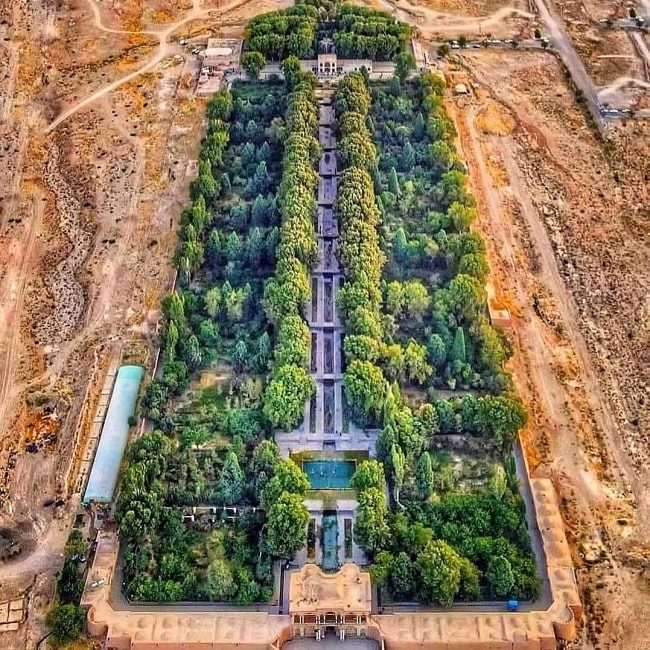

کرمان، یکی از کهنترین و مهمترین شهرهای تاریخی ایران، مرکز استان کرمان و یکی از بزرگترین مراکز فرهنگی، اقتصادی و تاریخی در جنوب شرق کشور است. این شهر با موقعیت جغرافیایی ویژه خود در حاشیه کویر لوت و در دامنههای جنوبی رشتهکوههای زاگرس قرار دارد و همواره بهعنوان یکی از قطبهای مهم تمدنی، فرهنگی و تجاری ایران شناخته شده است. کرمان شهری است با تاریخ غنی، بافت سنتی و مدرن، و فرهنگی که ترکیبی از سنت و نوآوری را به نمایش میگذارد.
تاریخ کرمان به دوران پیش از اسلام بازمیگردد و شواهد باستانشناسی نشان میدهد که این منطقه از دیرباز محل سکونت اقوام مختلف و مسیر عبور کاروانها بوده است. در دوران ساسانیان، کرمان یکی از مراکز مهم اقتصادی و نظامی بود و در قرون بعدی، به ویژه در دوران سلجوقیان، تیموریان و صفویان، این شهر به یکی از مراکز فرهنگی و هنری ایران تبدیل شد. آثار تاریخی همچون باغها، ارگها، مساجد، بازارهای سنتی و خانههای تاریخی، نشانههایی از تاریخ غنی و معماری منحصر به فرد کرمان هستند.
کرمان از نظر فرهنگی و هنری، شهرت جهانی دارد. صنایع دستی این شهر شامل قالیبافی، گلیمبافی، مسگری، خاتمکاری و سفالگری است که هر یک جلوهای از مهارت و ذوق هنری مردم کرمان به شمار میروند. فرش کرمان، با طرحهای پیچیده، رنگهای متنوع و کیفیت بینظیر، یکی از مشهورترین فرشهای ایران و جهان است و همواره در بازارهای داخلی و بینالمللی طرفداران زیادی دارد.
از نظر مذهبی و فرهنگی، کرمان شهری متنوع است. این شهر علاوه بر مساجد و اماکن مذهبی، دارای حسینیهها، آرامگاهها و مراکز فرهنگی متعدد است که نقش مهمی در شکلدهی به هویت فرهنگی و مذهبی مردم دارند. از جمله مهمترین اماکن مذهبی کرمان میتوان به گنبد جبلیه، مسجد جامع کرمان و آرامگاه مشاهیر اشاره کرد که هر ساله میزبان هزاران زائر و گردشگر هستند.
از نظر جغرافیایی، کرمان دارای آب و هوای متنوع است که شامل مناطق کوهستانی معتدل، مناطق نیمهخشک و مناطق کویری میشود. نزدیکی این شهر به کویر لوت و کوههای اطراف، چشماندازهای طبیعی فوقالعادهای ایجاد کرده است که علاوه بر زیبایی بصری، منابع طبیعی و گردشگری فراوانی فراهم میکنند. باغهای تاریخی کرمان، از جمله باغ شازده ماهان و باغ فتحآباد، نمونههایی از معماری باغهای ایرانی با استفاده از سیستمهای آبیاری سنتی هستند که در لیست میراث جهانی یونسکو نیز ثبت شدهاند.
کرمان همچنین شهری دانشگاهی و علمی است. دانشگاه علوم پزشکی، دانشگاه تحصیلات تکمیلی صنعتی و فناوری پیشرفته، دانشگاه هنر و سایر مؤسسات آموزشی و پژوهشی، کرمان را به یکی از مراکز علمی و پژوهشی جنوب شرق ایران تبدیل کردهاند. این دانشگاهها پذیرای هزاران دانشجو از سراسر کشور هستند و نقش مهمی در توسعه علمی و فرهنگی منطقه ایفا میکنند.
اقتصاد کرمان ترکیبی از کشاورزی، صنایع، معدن و تجارت است. مناطق اطراف کرمان تولیدات کشاورزی شامل پسته، خرما، مرکبات و محصولات باغی را ارائه میدهند که پسته کرمان بهعنوان یکی از محصولات صادراتی مهم ایران شناخته میشود. صنایع معدنی نیز نقش بزرگی در اقتصاد کرمان دارند؛ معادن مس، سنگ آهن و سایر مواد معدنی باعث شده است که این شهر یکی از قطبهای صنعتی ایران باشد. بازارها و مراکز تجاری کرمان، همواره محل عرضه محصولات محلی، صنایع دستی و کالاهای وارداتی بودهاند.
از نظر اجتماعی و فرهنگی، کرمان شهری متنوع و چندفرهنگی است. اقوام مختلف با زبانها و فرهنگهای گوناگون در این شهر زندگی میکنند و این تنوع به غنای فرهنگی و هنری کرمان افزوده است. مردم کرمان به مهماننوازی، پایبندی به سنتها و هنرمندی در صنایع دستی شناخته شدهاند.
حملونقل و ارتباطات کرمان نیز در طول تاریخ اهمیت داشته است. این شهر با بزرگراهها، راهآهن، فرودگاه و مسیرهای تجاری به دیگر مناطق ایران و جهان متصل است. توسعه زیرساختهای حملونقل و پروژههای شهری، کرمان را به سمت رشد اقتصادی و توسعه پایدار سوق داده است.
در مجموع، کرمان شهری است که تاریخ، فرهنگ، هنر، اقتصاد، اجتماع و طبیعت در آن بهطرز شگفتانگیزی با هم تنیده شدهاند. این شهر نه تنها یکی از مهمترین مراکز تاریخی و فرهنگی ایران است، بلکه نمونهای از تمدن، هنر و زندگی در مناطق کویری و کوهستانی جنوب شرق کشور به شمار میآید. کرمان شهری است که فرهنگ، تاریخ و مدرنیته را در هم میآمیزد و قلب تاریخی، فرهنگی و اقتصادی جنوب شرق ایران را شکل میدهد.


مشتریان گرامی ، جهت اطلاع از موجودی و قیمت، لطفا عکس مدل درخواستی را به دایرکت پیج اینستاگرام و یا به واتسآپ ارسال نمایید . . . با تشکر (محمدی)
Kerman, one of the oldest and most significant historical cities of Iran, serves as the capital of Kerman Province and stands as a major cultural, economic, and historical hub in the southeast of the country. Located at the edge of the Lut Desert and at the foothills of the southern Zagros Mountains, Kerman has long been recognized as a center of civilization, culture, and commerce. The city combines a rich historical heritage with modern urban development, creating a unique fusion of tradition and innovation.
Historically, Kerman’s roots extend back to pre-Islamic times, with archaeological evidence indicating that the region was inhabited by various tribes and served as a passage for caravans along ancient trade routes. During the Sassanian era, Kerman was a major economic and military center, and in subsequent periods, especially under the Seljuks, Timurids, and Safavids, the city evolved into a prominent cultural and artistic hub of Iran. Historical landmarks, including citadels, caravanserais, traditional baths, mosques, and historical residences, reflect Kerman’s rich past and unique architectural style.
Kerman is internationally renowned for its cultural and artistic heritage. Handicrafts such as carpet weaving, kilim making, metalwork, inlay (khatam), and pottery are considered masterpieces of local craftsmanship. Kerman carpets, known for intricate designs, vibrant colors, and exceptional quality, are among the most famous Iranian carpets worldwide and are highly sought after in domestic and international markets.
Religiously and culturally, Kerman is diverse. The city is home to numerous mosques, shrines, and religious centers, as well as cultural institutions, which collectively shape the city’s identity. Notable religious and historical sites include the Ganjali Khan Complex, the Jameh Mosque of Kerman, and the tombs of prominent scholars and local figures, attracting thousands of pilgrims and tourists annually.
Geographically, Kerman features diverse climates, from temperate mountainous areas to semi-arid and desert zones. Its proximity to the Lut Desert and surrounding mountains offers stunning natural landscapes that provide both ecological resources and tourism opportunities. Historic Persian gardens such as Shazdeh (Prince’s) Garden in Mahan and Fathabad Garden showcase classical Persian garden design with traditional irrigation systems and have been recognized by UNESCO as World Heritage Sites.
Kerman is also a major educational and scientific center. Institutions such as Kerman University of Medical Sciences, Graduate University of Advanced Technology, University of Art, and other research institutes have established the city as a hub of knowledge and innovation in southeastern Iran. Thousands of students from across the country pursue studies here, contributing to the city’s cultural and scientific development.
Economically, Kerman integrates agriculture, industry, mining, and commerce. The surrounding region produces pistachios, dates, citrus fruits, and other agricultural products, with Kerman pistachios being one of Iran’s most important export commodities. Mining plays a significant role in the local economy, with deposits of copper, iron, and other minerals making Kerman one of Iran’s industrial centers. Markets and commercial centers in the city remain focal points for the trade of local products, handicrafts, and imported goods.
Socially and culturally, Kerman is a diverse and multi-ethnic city. People from various ethnic and linguistic backgrounds live here, enriching the city’s cultural, artistic, and social life. The inhabitants are known for their hospitality, adherence to traditions, and exceptional skill in handicrafts, which together reinforce the city’s distinctive identity.
Transportation and connectivity have historically been important for Kerman. The city is linked to other parts of Iran and beyond via highways, railways, and an airport. Ongoing urban development projects and improvements in public transportation aim to enhance economic growth, accessibility, and quality of life for residents.
In summary, Kerman is a city where history, culture, art, economy, society, and nature are intricately intertwined. It is not only a central historical and cultural hub of Iran but also an exemplary model of civilization, artistry, and life in the desert and mountainous regions of southeastern Iran. Kerman merges culture, history, and modernity, forming the historical, cultural, and economic heart of southeastern Iran.