
سنندج
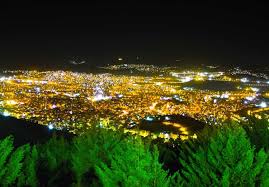
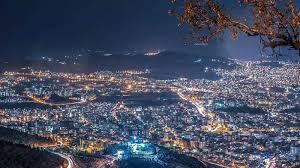
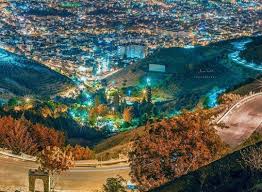
سنندج، مرکز استان کردستان و یکی از شهرهای تاریخی، فرهنگی و مذهبی ایران است که نقش ویژهای در تاریخ، فرهنگ، هنر و اقتصاد منطقه غرب ایران ایفا کرده است. این شهر که در دامنههای رشتهکوههای زاگرس قرار دارد، با جمعیتی چندصد هزار نفری و بافتی سنتی و مدرن، ترکیبی منحصر به فرد از تاریخ و زندگی معاصر ارائه میدهد. سنندج به دلیل موقعیت جغرافیایی، فرهنگی و اقتصادی خود، مرکز اصلی کردستان و یکی از شهرهای مهم غرب ایران به شمار میرود.
Sanandaj, the capital of Kurdistan Province in western Iran, is a city rich in history, culture, religion, and social life. Nestled in the foothills of the Zagros Mountains, Sanandaj combines traditional Kurdish heritage with modern urban development, creating a unique blend of past and present. With a population of several hundred thousand, it serves as the administrative, cultural, and economic center of the region.
Historically, Sanandaj dates back several centuries, with significant development during the Safavid and Qajar periods. Its strategic location along the Zagros trade routes made it an important hub for local tribes and regional governance. Over time, it became the administrative center of the Kurdistan region, with governors and local leaders establishing political authority here. Historical sites such as ancient castles, caravanserais, traditional baths, and old mosques reflect the city’s rich architectural and cultural heritage.
Sanandaj is predominantly Kurdish, and the Kurdish language—especially the Sorani dialect—is widely spoken. Kurdish culture thrives in the city through its music, dance, traditional clothing, and oral literature. Musical instruments such as the tanbur, doozeleh, and surna accompany songs that range from heroic epics to romantic ballads. Festivals and local ceremonies, including Nowruz, weddings, and religious observances, preserve and celebrate Kurdish cultural identity.
Architecturally, Sanandaj is renowned for its traditional houses with central courtyards, narrow alleys, covered bazaars, and historical mosques. The Jameh Mosque of Sanandaj, with its stunning dome and minarets, exemplifies Islamic architectural art in the region. Historic homes, such as the House of Kurds, with their intricate woodwork and plaster decorations, showcase the city’s aesthetic sophistication and provide a window into past lifestyles.
Sanandaj is also a center of education and research. Universities such as the University of Kurdistan, Kurdistan University of Medical Sciences, and the University of Art attract thousands of students from across Iran. These institutions promote both traditional knowledge and modern academic studies, establishing the city as an educational hub in western Iran.
Economically, Sanandaj integrates agriculture, handicrafts, trade, and services. The surrounding region produces wheat, barley, grapes, apples, and other crops. Kurdish handicrafts, particularly carpet weaving, kilim making, pottery, and woodwork, are highly valued both domestically and internationally. The traditional Sanandaj bazaar remains the focal point for commerce, offering products to locals, pilgrims, and tourists alike.
The city’s natural setting is equally remarkable. Located in the Zagros Mountains, Sanandaj enjoys a temperate mountainous climate and scenic landscapes. Valleys, mountains, and natural springs surrounding the city provide opportunities for tourism and recreation while supporting local water resources and ecological balance.
Sanandaj also serves as a religious and cultural center. Mosques, hosseiniehs, and tekkes complement educational institutions and libraries, creating a vibrant cultural environment. The city hosts numerous religious and cultural events throughout the year, drawing people from surrounding regions.
Socially, Sanandaj is diverse. While the majority are Kurdish Muslims, both Sunni and Shia, there are also minority communities contributing to the city’s cultural richness. The people of Sanandaj are known for their hospitality, cultural pride, and commitment to preserving traditions, all of which reinforce the city’s identity.
In terms of transportation and connectivity, Sanandaj is linked to other parts of Iran through highways, railways, and an airport. Urban development and public transportation projects aim to enhance economic growth, accessibility, and overall quality of life for its residents.
In summary, Sanandaj is a city where history, culture, architecture, nature, economy, and social life intertwine. It is not only a central hub for Kurdish identity but also a symbol of western Iran’s cultural and artistic heritage. Sanandaj is the cultural heart of Kurdistan, a center for education and research, a home for traditional handicrafts, and a vibrant locus of social and religious life.
از نظر تاریخی، سنندج قدمتی چندصدساله دارد و به دوران صفوی و قاجار بازمیگردد. این شهر در مسیر راههای تجاری زاگرس قرار داشت و همواره محل سکونت ایلات و طوایف مختلف کرد بوده است. با گذر زمان، سنندج به مرکز حکومتی و سیاسی منطقه تبدیل شد و فرماندهی ایالت کردستان در دورههای مختلف در این شهر مستقر بود. آثار تاریخی همچون قلعهها، کاروانسراها، حمامهای سنتی و مساجد قدیمی نشاندهنده غنای تاریخی و معماری سنتی سنندج هستند.
سنندج به دلیل بافت فرهنگی و قومی خود، مرکز مهم کردهای ایران به شمار میرود. زبان کردی، بهویژه گویش سورانی، زبان غالب مردم است و فرهنگ کردی در موسیقی، رقص، پوشش سنتی و ادبیات شفاهی همچنان جریان دارد. موسیقی کردی سنندج، با سازهای سنتی مانند تنبور، دوزله و سرنا، و شعرهای حماسی و عاشقانه، هویت فرهنگی شهر را تقویت میکند. جشنها و آیینهای محلی همچون نوروز و جشنهای عروسی و مراسم مذهبی نیز با رنگ و بوی کردی برگزار میشوند.
از نظر معماری، سنندج شهری شناخته شده است. بافت قدیمی شهر، خانههای سنتی با حیاط مرکزی، بازارهای سرپوشیده و مساجد تاریخی، جلوهای از معماری ایرانی-کردی را ارائه میدهند. مسجد جامع سنندج، با گنبد و منارههای زیبا، نمونهای برجسته از هنر معماری اسلامی در منطقه است. خانههای تاریخی سنندج همچون خانه کرد، با تزئینات چوبی و گچبریهای استادانه، نشاندهنده ذوق هنری و سبک زندگی مردم گذشته هستند.
سنندج مرکز آموزشی و علمی منطقه نیز محسوب میشود. دانشگاه کردستان، دانشگاه علوم پزشکی، دانشگاه هنر و سایر مؤسسات آموزشی و پژوهشی، سنندج را به یکی از قطبهای علمی غرب ایران تبدیل کردهاند. این شهر پذیرای هزاران دانشجو از مناطق مختلف ایران است و نقش مهمی در توسعه علمی و فرهنگی منطقه دارد.
از نظر اقتصادی، سنندج ترکیبی از فعالیتهای کشاورزی، صنایع دستی، تجارت و خدمات را ارائه میدهد. کشاورزی در حاشیه شهر و مناطق اطراف با تولید گندم، جو، انگور، سیب و محصولات باغی رونق دارد. صنایع دستی سنندج، به ویژه قالیبافی، گلیمبافی، سفال و منبت کاری، از شهرت بالایی برخوردارند و همواره مورد توجه بازارهای داخلی و خارجی قرار گرفتهاند. بازار سنتی سنندج، با مغازهها و کارگاههای کوچک، محل عرضه این محصولات و همچنین مراکز خرید زائران و گردشگران است.
سنندج از نظر طبیعی و جغرافیایی نیز منحصر به فرد است. موقعیت آن در دامنههای زاگرس، آب و هوای معتدل کوهستانی و چشماندازهای طبیعی اطراف، فرصتهای گردشگری بسیاری ایجاد کرده است. درهها، کوهها و چشمههای طبیعی اطراف شهر، علاوه بر جاذبههای توریستی، منابع آب و محیط زیست منطقه را تأمین میکنند.
سنندج همچنین شهری مذهبی و فرهنگی است. مساجد، حسینیهها و تکایا در کنار مراکز آموزشی و کتابخانهها، فضایی فرهنگی و مذهبی برای مردم فراهم کردهاند. این شهر میزبان مراسمهای مذهبی محلی و ملی است و در طول سال، جمعیت زیادی برای مناسبتهای مختلف به آن سفر میکنند.
از نظر اجتماعی، سنندج شهری متنوع است. علاوه بر کردهای مسلمان سنی و شیعه، اقلیتهای دیگری نیز در شهر زندگی میکنند که این تنوع قومی و مذهبی به غنای فرهنگی آن افزوده است. مردم سنندج به مهماننوازی، فرهنگ غنی و حفظ سنتها شناخته شدهاند و این ویژگیها، هویت شهر را تقویت میکنند.
از نظر حملونقل و ارتباطات، سنندج با جادهها، راهآهن و فرودگاه به دیگر نقاط ایران متصل است. پروژههای توسعه شهری و حملونقل عمومی، این شهر را به سمت رشد اقتصادی و افزایش رفاه اجتماعی هدایت میکنند.
در مجموع، سنندج شهری است که در آن تاریخ، فرهنگ، هنر، طبیعت، اقتصاد و اجتماع در هم تنیده شدهاند. این شهر نه تنها برای کردهای ایران، بلکه برای ایران و جهان، نمادی از فرهنگ و هویت کرد و شهری نمونه از زندگی کوهستانی، هنر، معماری و تمدن غرب ایران است. سنندج قلب فرهنگی کردستان، مرکز آموزش و پژوهش، محل صنایع دستی و هنرهای سنتی و همچنین کانون زندگی اجتماعی و مذهبی مردم منطقه محسوب میشود.


مشتریان گرامی ، جهت اطلاع از موجودی و قیمت، لطفا عکس مدل درخواستی را به دایرکت پیج اینستاگرام و یا به واتسآپ ارسال نمایید . . .
سنندج