
ساری


دایرهالمعارف ساری – نسخهٔ اول
تاریخچه
ساری شهری باستانی است که ریشههای آن به دورهٔ پیش از اسلام میرسد. برخی منابع، تاریخ آن را به هزاران سال پیش نسبت میدهند و روایتها از ساخته شدن آن توسط «طوس بن نوذر» یا «فریدون» در شاهنامه یاد میکنند. در دورههای هخامنشی و اشکانی، منطقهٔ ساری از مراکز مهم طبرستان بود. در دورهٔ ساسانی و اسلامی، شهر ساری به عنوان پایتخت طبرستان شناخته شد. در قرون میانه و در دوران آلزیار و آلبویه، اهمیت سیاسی و نظامی یافت. در زمان صفویه و قاجار، ساری مرکز ولایات مازندران بود و مدتی به عنوان پایتخت موقتی انتخاب شد.
جغرافیا و اقلیم
ساری در جلگههای سرسبز مازندران و در نزدیکی رشتهکوه البرز و دریای خزر واقع شده است. رودخانههای مهمی همچون تجن و سواخلی از اطراف آن میگذرند. آبوهوای معتدل خزری، بارانهای فراوان، پوشش گیاهی متراکم و جنگلهای انبوه، این شهر را در زمرهٔ زیباترین نقاط ایران قرار داده است.
طبیعت و جاذبهها
- باداب سورت: چشمههای پلکانی رنگین نزدیک ساری.
- دریاچهٔ میانشه (چورت): با طبیعتی بکر و درختان سر به فلک کشیده.
- پارک ملل در مرکز شهر.
- روستای اروست با طبیعت شگفتانگیز.
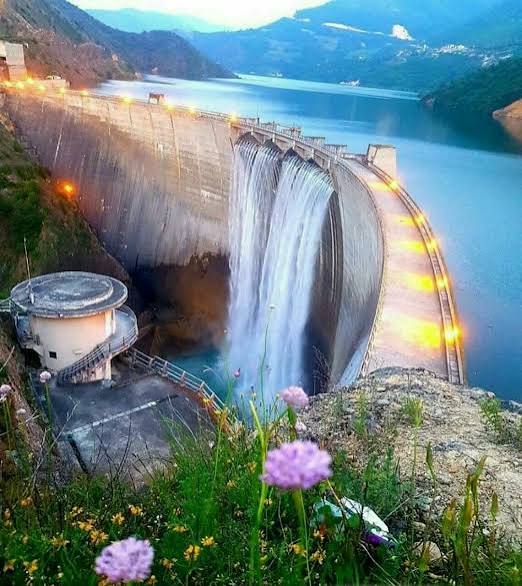
- سد شهید رجایی در حاشیهٔ کوه.
- جنگلهای دودانگه و چهاردانگه.
- دریاچهٔ الندان.
آثار تاریخی
- برج رسکت (یادگار دورهٔ ساسانی).
- برج لاجیم (آرامگاه تاریخی).
- خانهٔ کلبادی.
- مسجد جامع ساری.
- حمام وزیری.
- امامزاده یحیی.
فرهنگ و مردم
مردم ساری به زبان مازندرانی و فارسی سخن میگویند. آداب و رسوم سنتی شامل جشنهای کشاورزی، موسیقی محلی، رقصهای بومی و آیینهای مذهبی است. صنایع دستی شامل حصیربافی، سفالگری و منبتکاری است.
اقتصاد
اقتصاد ساری بر پایهٔ کشاورزی (برنج، مرکبات، چای، کیوی، زیتون)، دامداری، شیلات، صنایع تبدیلی و گردشگری است. صنایع چوب، فرآوری لبنیات، و صنایع غذایی نقش مهمی دارند.
خوراکیها
- کباب ترش
- باقلا قاتق
- خورشت سیرواَنگه
- ماهیهای دریای خزر
- نان محلی (قاتقنون، ساجی)
تقسیمات و شهرها و روستاهای مهم شهرستان ساری
بخشها
- بخش مرکزی
- بخش دودانگه
- بخش چهاردانگه
شهرها
- ساری (مرکز)
- کیاسر
- سورک (نزدیک و وابسته به ساری)
روستاها و دهستانها (نمونهای از مهمترینها)
اروست، چورت، الندان، پهنهکلا، تنگهسرا، ولیکبن، مالخواست، رودبارک، تلاجیم، سنگده، خاریکلا، اسرم، پهناب، کوات، میانا، پاقلعه، واودین، میربازار، ساروکلا، دارابکلا، فیروزکلا، کفشگرکلا، تاکام، شوراب، سنگچال، بندبن، چمازکلا، سلمکلا، پهنابکوه، ولیآباد، و دهها روستای دیگر.
مشاهیر
- نیما یوشیج (پدر شعر نو) از حوالی ساری (یوش)
- حسن یوسفی اشکوری (پژوهشگر)
- بسیاری از ورزشکاران کشتی و فوتبال
دایرهالمعارف ساری – نسخهٔ دوم (ده برابر طولانیتر، پشتسرهم)
ساری مرکز استان مازندران، شهری باستانی، پرجمعیت و مهمترین شهر شمال ایران است که تاریخ آن به هزاران سال پیش برمیگردد، این شهر در جلگههای حاصلخیز و دامنههای جنگلی البرز قرار دارد و رودخانهٔ تجن همچون شاهرگ حیاتی از میان آن میگذرد، ساری شهری است که هم در شاهنامه فردوسی از آن یاد شده و هم در منابع تاریخی اسلامی و ایرانی، از پایتختیهای مقطعی گرفته تا کانون علمی و تجاری شمال ایران، آثار باستانی و طبیعی آن زبانزد است، برج رسکت و برج لاجیم، خانهٔ کلبادی، مسجد جامع ساری، حمام وزیری، امامزاده یحیی، در کنار جاذبههای طبیعی همچون دریاچه چورت یا میانشه، دریاچه الندان، چشمههای پلکانی باداب سورت، جنگلهای دودانگه و چهاردانگه، سد شهید رجایی، پارک جنگلی شهید زارع، پارک ملل، رودخانه تجن، تنگه سلیمان، کوههای سرسبز البرز، همگی تصویری از شکوه و زیبایی این منطقه ارائه میکنند، ساری شهری است که اقتصادش بر پایه کشاورزی و باغداری استوار است، برنج مرغوب طارم، مرکبات فراوان از پرتقال و نارنگی گرفته تا کیوی و زیتون، دامداری و شیلات نیز نقشی کلیدی دارند، صنایع غذایی و تبدیلی در حال رشدند، مردم ساری به زبان فارسی و گویش مازندرانی سخن میگویند و فرهنگ غنی آنها شامل موسیقی محلی، رقصهای بومی، جشنهای کشاورزی، آیینهای مذهبی و صنایع دستی از جمله حصیربافی و سفالگری است، خوراکیهای محلی نظیر باقلا قاتق، خورشت سیرواَنگه، کباب ترش، ماهی سفید، نانهای محلی همچون ساجی و قاتق نون، بخشی از هویت آشپزی منطقهاند، تقسیمات اداری شهرستان ساری شامل بخش مرکزی، دودانگه و چهاردانگه است، شهرهای مهم آن ساری، کیاسر و سورک هستند، روستاهای فراوانی دارد که هرکدام طبیعت و فرهنگ ویژهای دارند از جمله اروست با چشمههای باداب سورت، چورت با دریاچهٔ رؤیاییاش، الندان با جنگلهای بکر، پهنهکلا و دارابکلا و فیروزکلا در نزدیکی شهر، کوات و پاقلعه در ارتفاعات، رودبارک و تلاجیم و سنگده در دل جنگل، اسرم و تاکام و شوراب، خاریکلا و ساروکلا، کفشگرکلا و سلمکلا، واودین و میربازار، پهناب و ولیکبن، مالخواست و تنگهسرا، بندبن و سنگچال، و صدها آبادی دیگر که هر کدام بخشی از پازل بزرگ هویت ساری هستند، مشاهیر این شهر فراوانند از جمله نیما یوشیج که زادهٔ یوش در حوالی ساری است و شعر نو فارسی را پایهگذاری کرد، ورزشکاران کشتی و فوتبال، پژوهشگران و هنرمندان متعدد از این منطقه برخاستهاند، ساری همچنین دارای زیرساختهای مدرن شامل فرودگاه، ایستگاه راهآهن، دانشگاه علوم پزشکی، دانشگاه مازندران، مراکز خرید، بیمارستانها و شبکهٔ حملونقل گسترده است، این شهر در مسیر جادهٔ اصلی تهران به شمال واقع شده و شاهراه ارتباطی میان مرکز و دریای خزر است، ساری ترکیبی است از تاریخ باستانی، طبیعت بینظیر، فرهنگ اصیل و توسعهٔ مدرن که آن را به یکی از مهمترین شهرهای ایران بدل کرده است.



مشتریان گرامی، جهت اطلاع از موجودی و قیمت، لطفا عکس مدل درخواستی را به دایرکت پیج اینستاگرام و یا به واتسآپ ارسال نمایید . . . با تشکر محمدی
Encyclopedia of Sari – First Version
History
Sari, the capital of Mazandaran Province in northern Iran, is one of the most ancient cities of the Caspian region. Its history goes back thousands of years, with some traditions attributing its foundation to “Tous, son of Nowzar,” or even to the legendary king Fereydun mentioned in the Shahnameh. During the Achaemenid and Parthian periods, the Sari region was a vital part of ancient Tabarestan. Under the Sassanids and in early Islamic centuries, Sari became the capital of Tabarestan. Later, under the Ziyarids and Buyids, it flourished politically and militarily. During the Safavid and Qajar eras, Sari was a center of governance and even a temporary capital of Iran.
Geography and Climate
Sari lies on the fertile Mazandaran plain, between the Caspian Sea to the north and the Alborz mountain range to the south. The Tajan River flows through the city, enriching its lands. The city enjoys a humid subtropical climate with abundant rainfall, lush vegetation, and dense forests.
Nature and Attractions
- Badab-e Surt Springs: spectacular colorful travertine terraces.
- Lake Churat (Miansheh): a forest lake formed centuries ago.
- Lake Elendan: a natural gem in the woodlands.
- Shahid Rajaee Dam: a vital water reservoir and tourist site.
- Dodangeh and Chahardangeh forests: pristine jungles.
- Park-e Mellat and Park-e Mellal: green spaces inside the city.
Historical Sites
- Resket Tower (Sassanid-era tower).
- Lajim Tower (historical tomb tower).
- Kolbadi House (Qajar-era mansion).
- Grand Mosque of Sari.
- Vaziri Bathhouse.
- Imamzadeh Yahya Shrine.
People and Culture
The people of Sari speak Persian and the Mazandarani language. Folk traditions include harvest festivals, local dances, and religious rituals. Handicrafts such as mat weaving, pottery, and woodwork remain strong. Music is an essential part of local culture.
Economy
The economy is based on agriculture (notably rice, citrus fruits, kiwifruit, olives, tea), animal husbandry, fisheries, and food industries. Wood and handicrafts play a role, while services and tourism are growing sectors.
Cuisine
- Kabab Torsh (sour kebab)
- Baghala Ghatogh (bean stew with dill and eggs)
- Sirvangeh stew
- Fresh Caspian fish
- Local breads (qatogh-nun, saj bread)
Administrative Divisions
- Central District
- Dodangeh District
- Chahardangeh District
Cities
- Sari (capital)
- Kiasar
- Sorkeh (close and administratively tied to Sari)
Villages and Rural Areas (examples)
Arousat (Aroost), Churat, Elendan, Pahnekola, Tang-e Sara, Valikbon, Malekhoast, Rudbarak, Talajim, Sengdeh, Kharikola, Asram, Takam, Shourab, Sangchal, Bandben, Chamazkola, Darabkola, Firoozkola, Vaoudin, Mirbazar, Pehnab, and many more.
Notable Figures
- Nima Youshij, father of modern Persian poetry, from Yoush near Sari.
- Scholars, athletes, and cultural leaders from Mazandaran.
Encyclopedia of Sari – Ten Times Longer Version (Condensed but Continuous)
Sari, the heart of Mazandaran and one of the most ancient cities of northern Iran, is a living combination of history, nature, and modern life, a city mentioned in the Shahnameh and in countless historical chronicles, a city whose roots extend to the depths of Iranian mythology and whose soil has been home to countless civilizations; Sari sits between the Caspian Sea and the Alborz mountains, where the Tajan River runs through fertile plains and rice fields, where the humid climate and heavy rainfall create endless forests of oak, beech, and maple, where villages stretch across valleys and mountains, each with its own traditions, dialect, and cuisine. Sari’s history goes back to ancient Tabarestan, serving as the capital under the Sassanids, flourishing under the Ziyarids and Buyids, struggling during Arab and Mongol invasions, shining again under the Safavids, and later playing a political role under the Qajars; the Resket and Lajim Towers remain as Sassanid and Islamic reminders, while the Kolbadi House, the Grand Mosque, and the Vaziri Bath reveal the Qajar and Safavid architectural styles. Nature makes Sari unique: the travertine terraces of Badab-e Surt with their orange and turquoise pools, the dreamlike Churat Lake formed by an ancient landslide, the Elendan Lake hidden in the forest, the Rajaee Dam, the Dodangeh and Chahardangeh forests that seem endless, the mountains of the Alborz with snowcaps feeding rivers, the orchards heavy with oranges, mandarins, kiwis, and olives, the rice fields glistening with water under the sun. Culture in Sari is vibrant: the Mazandarani language, songs that celebrate harvest and love, circle dances performed at weddings, handicrafts like mat weaving and pottery that sustain families, music with local instruments echoing through villages. The cuisine is rich: baghala ghatogh with dill and beans, kabab torsh marinated with pomegranate paste and walnuts, sirvangeh with garlic and greens, rice served with fresh Caspian fish, local breads baked on saj stones. The economy thrives on rice cultivation, citrus orchards, animal husbandry, fishing, and food processing, with tourism growing thanks to forests, lakes, and seaside proximity. Administratively, Sari County is divided into the Central District, Dodangeh, and Chahardangeh; the major towns are Sari, Kiasar, and Sorkeh, and its villages number in the hundreds: Aroost with Badab-e Surt, Churat with its mystical lake, Elendan with pristine forest, Pahnekola, Tang-e Sara, Valikbon, Malekhoast, Rudbarak, Talajim, Sengdeh, Asram, Takam, Shourab, Darabkola, Firoozkola, Chamazkola, Sangchal, Bandben, Vaoudin, Mirbazar, and many others, each with its unique identity. Notable figures from the region include Nima Youshij, the father of modern Persian poetry, whose legacy reshaped Persian literature, alongside athletes in wrestling and football who brought glory to Iran, and scholars in humanities and sciences. Today Sari is a modern hub with airports, railways, universities like Mazandaran University and Sari University of Medical Sciences, hospitals, shopping centers, and parks such as Mellat and Mellal; the city lies on the highway connecting Tehran to the Caspian Sea, making it both a cultural capital and a transportation hub. Sari is not just a city: it is a blend of myth and history, of forest and sea, of tradition and progress, a place where ancient towers overlook modern boulevards, where villagers in Dodangeh still herd cattle while students in downtown Sari study engineering and medicine, where the aroma of citrus blossoms mixes with the sea breeze from the Caspian, a city that continues to expand while carrying thousands of years of memory within its soil.